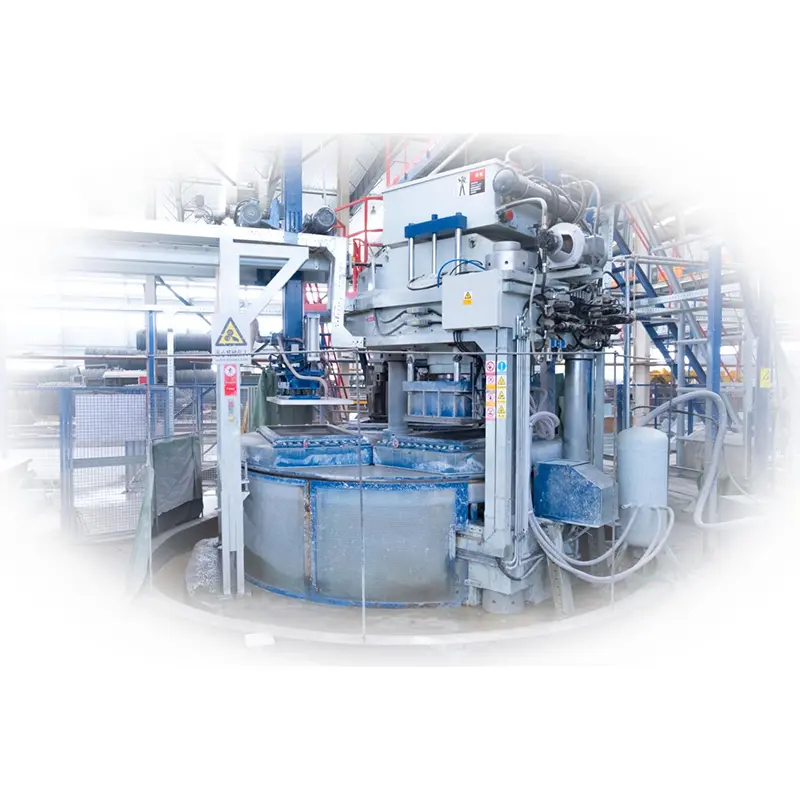
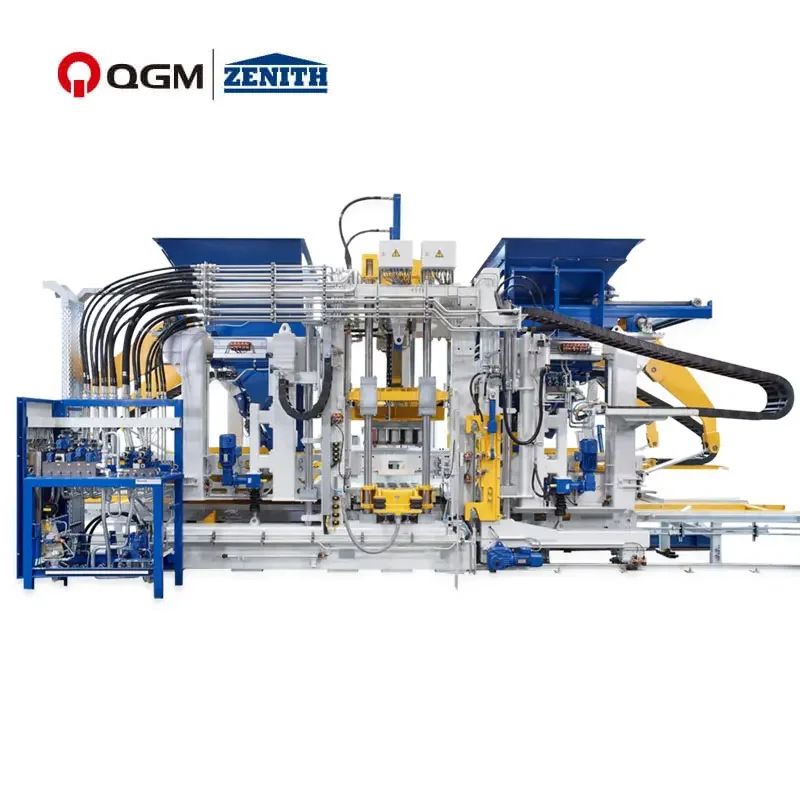
AAC block making machine
Our AAC Block Making Machine is developed for manufacturers who focus on improving block quality, production consistency, and operational efficiency. Unlike basic concrete block equipment, this system is specifically designed for autoclaved aerated concrete manufacturing, combining accurate material dosing, controlled casting, precision cutting, and optimized curing processes to produce lightweight blocks with excellent dimensional accuracy and strength.
As a professional AAC equipment supplier, we provide production solutions that help factories improve manufacturing efficiency, reduce raw material loss, and maintain stable product performance in competitive construction material markets. The equipment can be configured according to different raw materials, output requirements, and automation levels.
Improve AAC Block Quality Through Advanced Manufacturing Technology
For AAC producers, equipment performance directly affects block appearance, strength consistency, and production costs. Our system focuses on every critical stage of manufacturing to ensure reliable output from raw material preparation to finished product handling.
-
Accurate Material Processing: Advanced weighing and mixing systems ensure uniform slurry composition, improving block density consistency and structural performance.
-
Precision Cutting Performance: High-quality cutting systems minimize dimensional deviation, creating smooth surfaces and reducing finishing requirements during construction.
-
Stable Production Operation: Optimized mechanical structures and reliable components support continuous production with reduced downtime.
-
Flexible Configuration: Different cutting systems, mold sizes, and automation options allow manufacturers to match equipment with specific production targets.
-
Lower Production Waste: Integrated recycling technology improves material utilization and reduces unnecessary production losses.
Key Factors When Selecting AAC Block Making Equipment
Selecting suitable equipment requires more than considering production capacity. Professional manufacturers normally evaluate block quality requirements, raw material characteristics, energy consumption, maintenance costs, and future expansion possibilities.
|
Selection Factor
|
Why It Matters
|
|
Raw Material Adaptability
|
Different regions use different materials such as fly ash, sand, or industrial waste. Equipment configuration should match local material conditions.
|
|
Cutting Accuracy
|
Higher precision improves block appearance, reduces rejection rates, and increases customer acceptance.
|
|
Automation Level
|
Automatic control reduces labor dependence and improves production repeatability.
|
|
Maintenance Design
|
Easy-access components reduce downtime and improve long-term operating efficiency.
|
Technical Specifications
|
Parameter
|
Specification
|
|
Applicable Materials
|
Cement, lime, sand, fly ash, gypsum, aluminum powder paste
|
|
Block Density Range
|
400 – 700 kg/m³ (customizable)
|
|
Production Capacity
|
30,000 – 300,000 m³/year depending on configuration
|
|
Cutting Accuracy
|
Length & width ±1 mm, height ±2 mm
|
|
Control System
|
Automatic PLC control with touch-screen operation
|
|
Mold Size Options
|
4.2m × 1.2m, 4.8m × 1.2m, 6.0m × 1.5m
|
|
Autoclave Working Condition
|
Steam curing at approximately 1.2 MPa / 190°C
|
|
Installed Power
|
150 – 450 kW depending on production configuration
|
|
Finished Block Strength
|
2.5 – 7.5 MPa after curing
|
|
Material Recycling Rate
|
Up to 98% slurry recovery
|
Available Models and Production Capacity
|
Model
|
Daily Output
|
Cycle Time
|
Main Motor Power
|
Cutting System
|
|
QT4-15
|
80 – 120 m³/day
|
15 – 18 min
|
37 kW
|
Horizontal Wire Cutting
|
|
QT6-15
|
150 – 200 m³/day
|
15 – 18 min
|
55 kW
|
Horizontal & Vertical Cutting
|
|
QT8-15
|
250 – 320 m³/day
|
15 – 20 min
|
75 kW
|
Combined Tilt Cutter
|
|
QT10-15
|
350 – 450 m³/day
|
15 – 20 min
|
90 kW
|
High-Speed Pendulum Cutter
|
|
QT12-15
|
500 – 600 m³/day
|
18 – 22 min
|
110 kW
|
Rotary Disc Cutter
|
AAC Block Making Machine vs Traditional Block Production Equipment
|
Comparison Item
|
Traditional Concrete Block Equipment
|
AAC Block Making System
|
|
Product Weight
|
Produces heavier blocks requiring more transportation effort
|
Produces lightweight blocks that reduce building load
|
|
Thermal Performance
|
Limited insulation capability
|
Excellent thermal insulation suitable for energy-efficient buildings
|
|
Production Process
|
Mainly relies on mechanical pressing and vibration
|
Uses controlled aeration, cutting, and autoclave curing technology
|
|
Product Value
|
Standard construction materials
|
High-value green building materials with wider applications
|
|
Quality Control
|
Greater variation between batches
|
More consistent density, size, and strength performance
|
Frequently Asked Questions
1. What is the difference between an AAC block making system and a normal block machine?
A normal block machine mainly uses vibration or pressing methods, while AAC production equipment creates lightweight concrete products through aeration, precision cutting, and high-pressure steam curing, resulting in better insulation and lower structural weight.
2. What factors affect the production capacity?
Capacity depends on equipment configuration, mold size, working schedule, raw material preparation efficiency, and automation level. Customized designs are available for different production targets.
3. Can the equipment use local raw materials?
Yes. The production formula can be adjusted according to locally available materials such as fly ash, sand, or other suitable industrial resources.
4. How can manufacturers reduce production costs?
Energy-efficient design, automatic control, optimized material usage, and recycling systems help reduce labor costs, waste, and overall operating expenses.
5. Is installation and technical support provided?
Yes. Professional guidance including installation support, commissioning, operator training, and spare parts service is available to ensure smooth production operation.
6. Can the equipment be expanded in the future?
Yes. The production configuration can be designed with future expansion requirements in mind, allowing manufacturers to increase capacity when market demand grows.
Choose a Reliable AAC Equipment Partner
A successful AAC production project requires not only reliable machinery but also professional engineering experience. We support customers with customized equipment solutions, manufacturing expertise, and technical assistance to help build efficient and profitable lightweight concrete production facilities.