News

Say Goodbye to "Affordable to Buy but Unaffordable to Use"! How to Deeply Explore the "Residual Value" of Block Making Machines?

2026-08-28 0 Leave me a message

In the traditional investment logic of engineering equipment, many bosses are used to doing a simple calculation: How much is the equipment purchase price? How long is it expected to pay off? But in today's low-profit and highly competitive building materials market, this "only looking at the purchase price" mentality is causing many people to fall into the quagmire of "heavy asset losses".

 What truly determines your final profit is often not the initial price of the equipment, but the "residual value" it creates for you throughout its entire life-cycle.

I.Redefining Costs: Equipment Cost ≠ Purchase Price

Many business owners are easily attracted by low prices when purchasing block making machines, but overlook the hidden "iceberg costs." We need to establish a new cost formula:Total Equipment Cost = Purchase Cost + Operating Cost (energy/labor/maintenance) + Time Cost (downtime/efficiency) + Residual Value Cost

So, what exactly is the "residual value" of a piece of equipment? Simply put, it is the machine's ability to continuously "generate revenue" for you throughout its long service life.

Stability of production efficiency: Does it maintain consistently high output, or is it constantly breaking down for repairs?

Flexibility in product adaptability: Can it only produce a single type of block, or can it quickly switch to high-value products like permeable blocks and curbstones as market demands change?

Future resale or repurposing potential: When the block making machine is phased out, is it sold as scrap metal, or can its core components be upgraded and reused?

While many cheap machines require a smaller initial investment, they often suffer from high energy consumption, frequent breakdowns, and poor product precision later on. Ultimately, they not only eat into your profits but also cause you to miss out on valuable market opportunities.


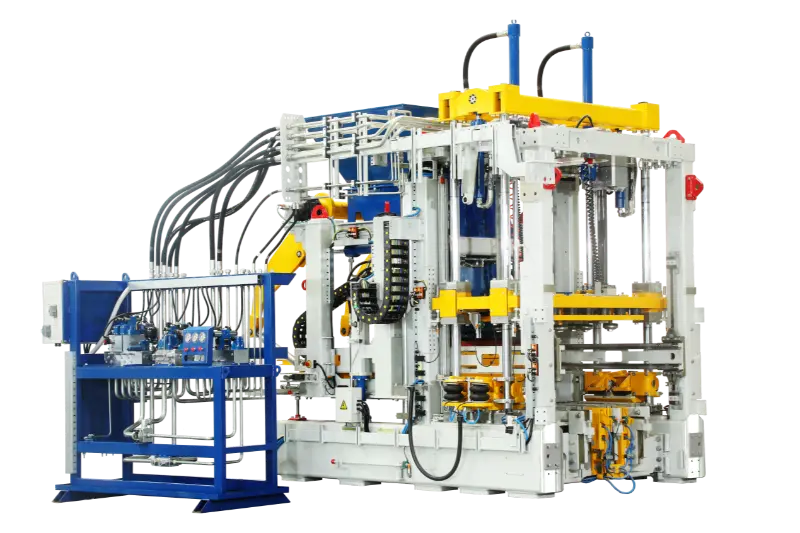
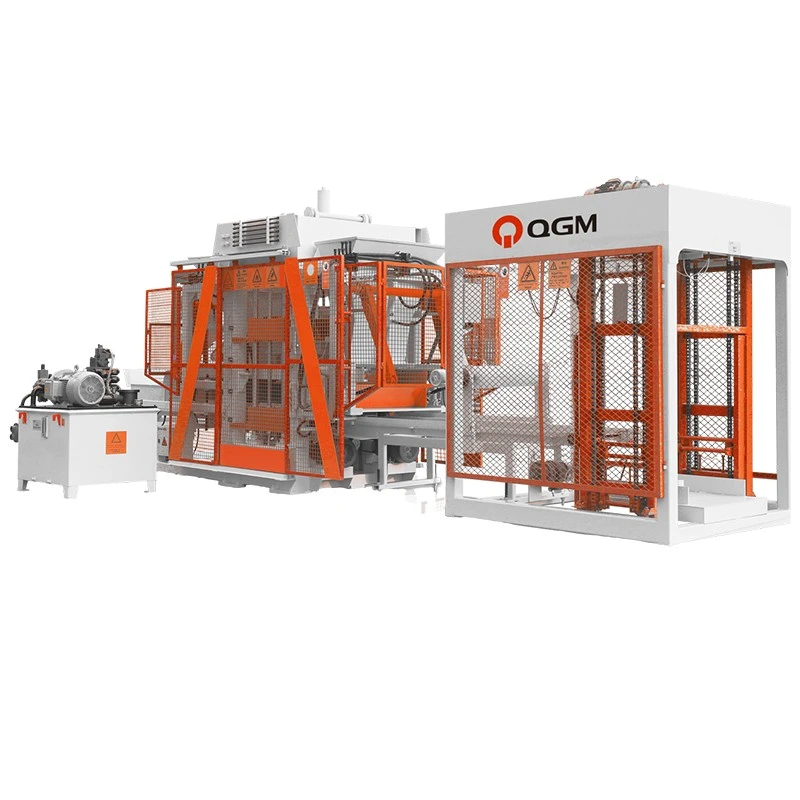
△QGM fully automatic block making machine


II. Technological Breakthrough: Why Can fully automated block making machines Lock in "Long-Term Value"?

Amid the wave of technological iteration in the industry, fully automatic block production  equipped with servo vibration systems are gradually becoming the key to unlocking the residual value of equipment. Take QGM fully automatic block making machines as an example—they can be flexibly configured with high-performance systems such as the Zenith "Super Dynamic" servo vibration and automatic quick mold change. These features help make the production process smarter and more streamlined.

What QGM automated block molding equipment deliver goes far beyond simple "automation"—they represent a deep optimization of your entire cost structure:

1. Precision Control: Cutting Costs and Boosting Efficiency


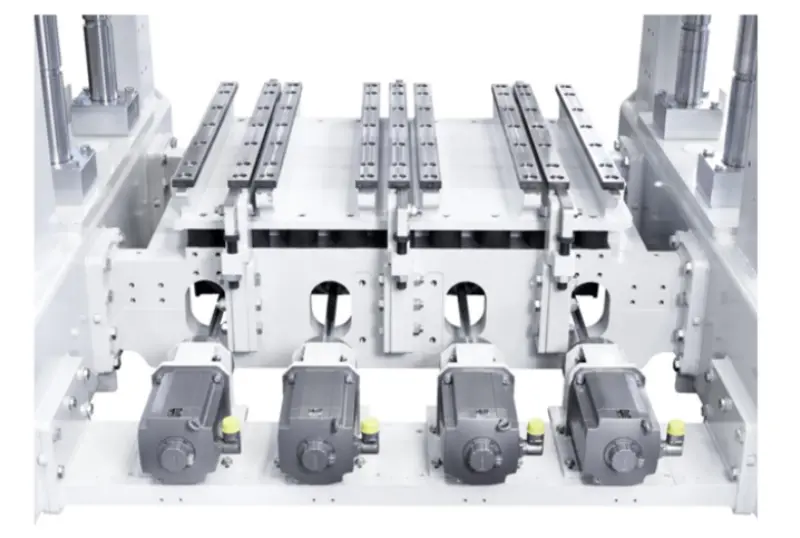
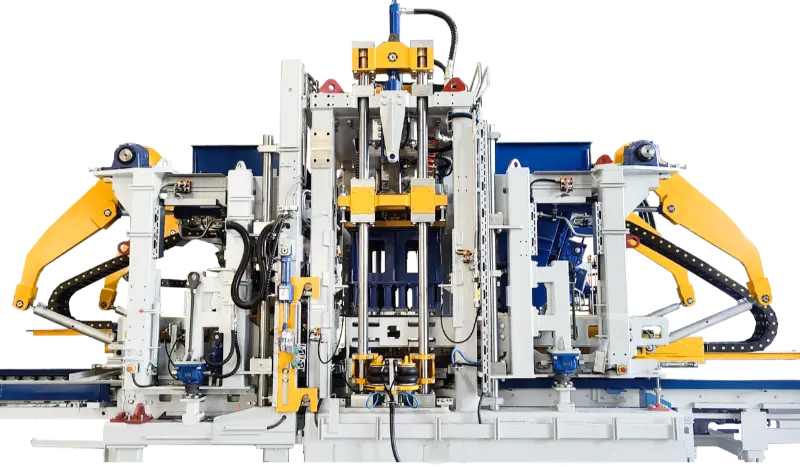
△ QGM Block Machine with Zenith Ultra-Dynamic Servo Vibration System


The “Ultra-Dynamic” servo system delivers millisecond-level precision response, which shortens both mold filling and cycle times, ultimately driving up production efficiency. Compared to traditional hydraulic systems, it significantly slashes energy consumption. At the same time, it minimizes unnecessary wear and tear on mechanical components, directly driving down long-term maintenance expenses.

2. Flexible Production, Enhancing Product Added Value


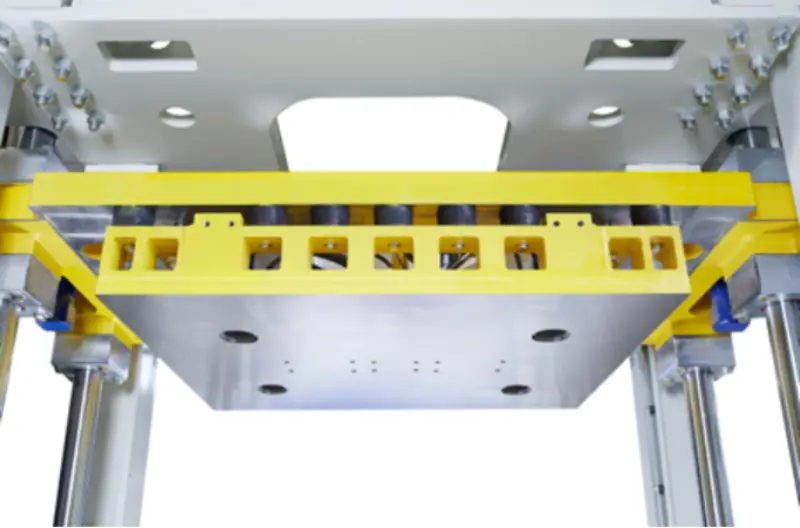
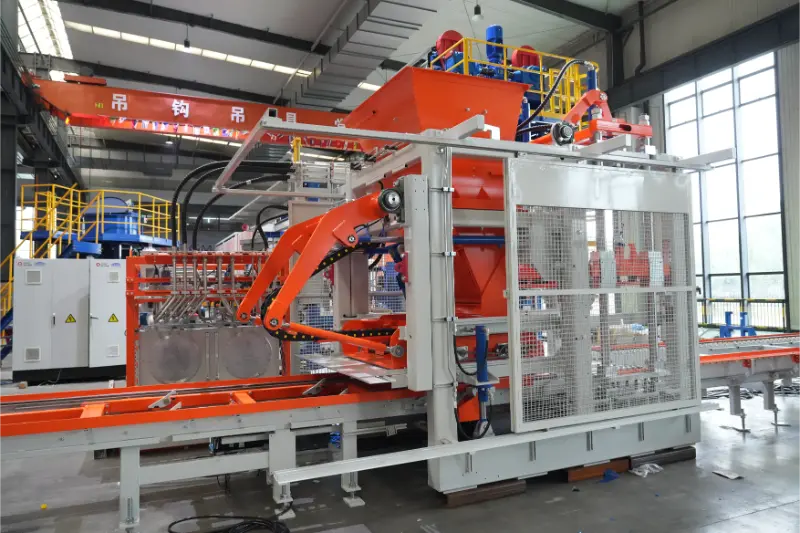
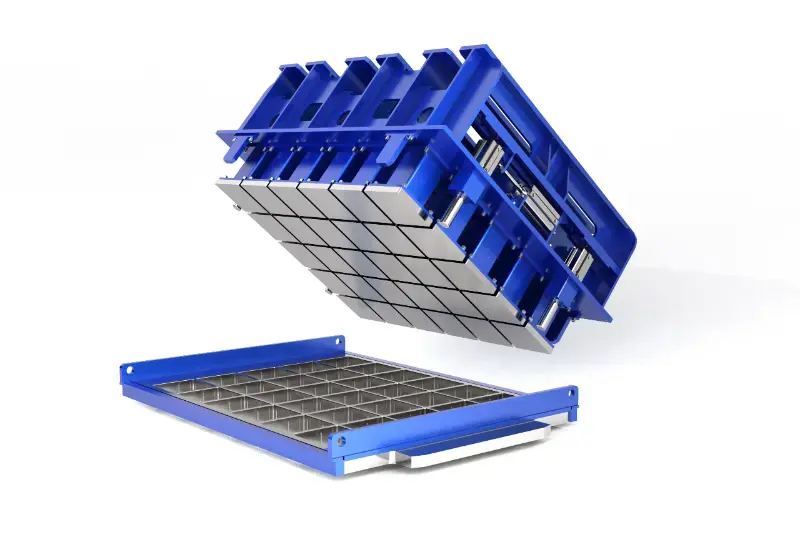
△QGM Automatic Quick Mold Change System for Efficient Block Production


Relying on the precise control of the "Ultra-Dynamic" servo system and deeply integrating an automatic rapid mold-changing system, QGM fully automatic block molding equipment can easily adapt to different raw materials and complex molds, quickly switching to produce high-profit irregular-shaped bricks or precision blocks. This flexible production method allows a single machine to meet diverse market demands, truly realizing the goal of earning substantial profits from multiple product categories with the investment of a single machine.

3. Modular Design: Extending the Equipment Life-cycle

QGM fully automatic block forming machines deeply implement standardized and modular design concepts, reserving ample space for continuous upgrades and iterations. Faced with constantly evolving construction material processes, users no longer have to face the high sunk costs of scrapping the entire machine. By simply upgrading the core control system or specific functional modules, the production line can be revitalized. This "growable" block machine, capable of evolving with market demands, significantly extends its effective service life—making it a true long-term investment with high residual value.


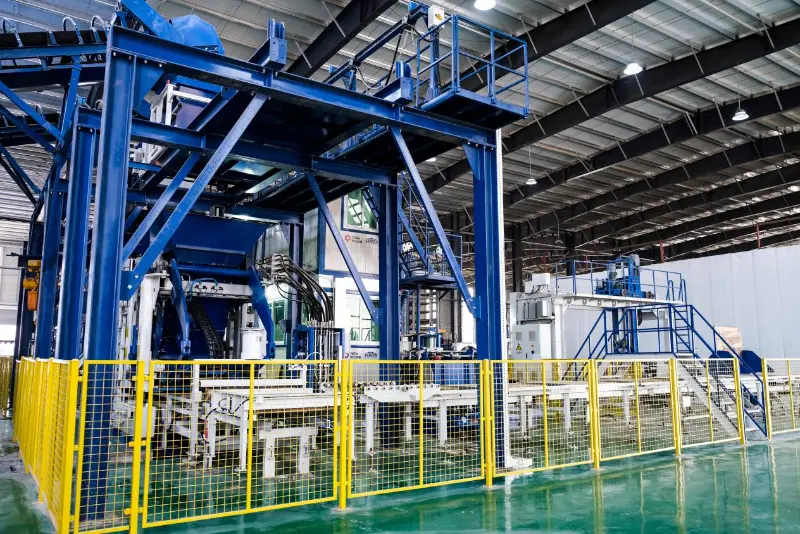
△QGM ZN900-2 Fully Automatic Block Making Machine for Concrete Block Production


In the context of intensifying competition in the current building materials industry, the selection of block making equipment has shifted from "affordability" to "durability and stability."Therefore, truly experienced customers are increasingly focused not on the price itself, but on—how much value this block machine can create for them in the future. From this perspective, equipment investment is not just a one-time purchasing decision, but a long-term allocation of production capacity.

FAQ

1. What factors determine the residual value of a block making machine?

The residual value of a block making machine is not determined only by its purchase price, but by its long-term production capability, operating cost, product flexibility, and upgrade potential. A high-value automatic block machine should maintain stable output, low energy consumption, reliable performance, and the ability to produce various concrete products such as paving blocks, curbstones, permeable bricks, and customized concrete products throughout its service life.

2. Why do fully automatic block machines provide higher long-term investment value?

Fully automatic block machines improve equipment residual value through intelligent automation, precision control, and flexible production capabilities. QGM automatic block machines can be equipped with advanced technologies such as Zenith ultra dynamic vibration system and automatic quick mold change system, helping manufacturers achieve higher production efficiency, lower maintenance costs, faster product switching, and stronger market adaptability.

3. How can modular design extend the service life of a block production line?

Modular design allows a block production line to be upgraded instead of replaced when market requirements change. QGM block machines adopt standardized and modular engineering concepts, enabling customers to upgrade control systems, automation modules, and production functions. This approach helps extend equipment lifespan, reduce investment risks, and maintain competitiveness in the evolving concrete block manufacturing industry.


Related News
Leave me a message
X
We use cookies to offer you a better browsing experience, analyze site traffic and personalize content. By using this site, you agree to our use of cookies.Privacy Policy
RejectAccept