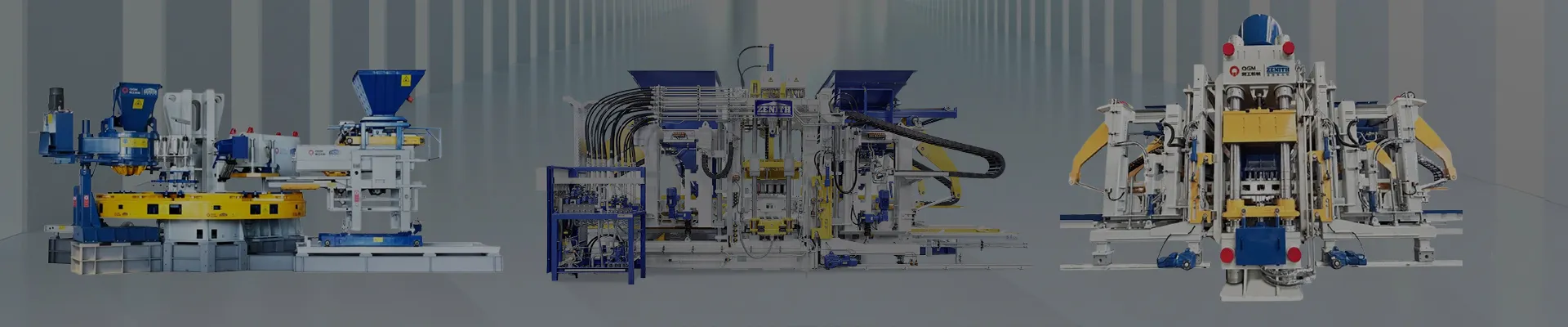
Concrete products brick making production line
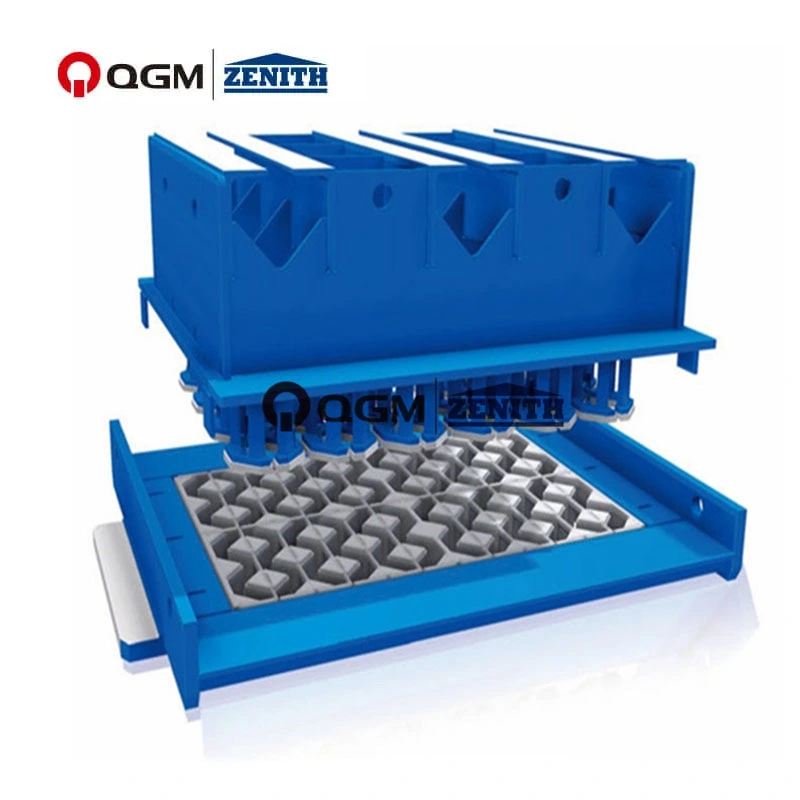
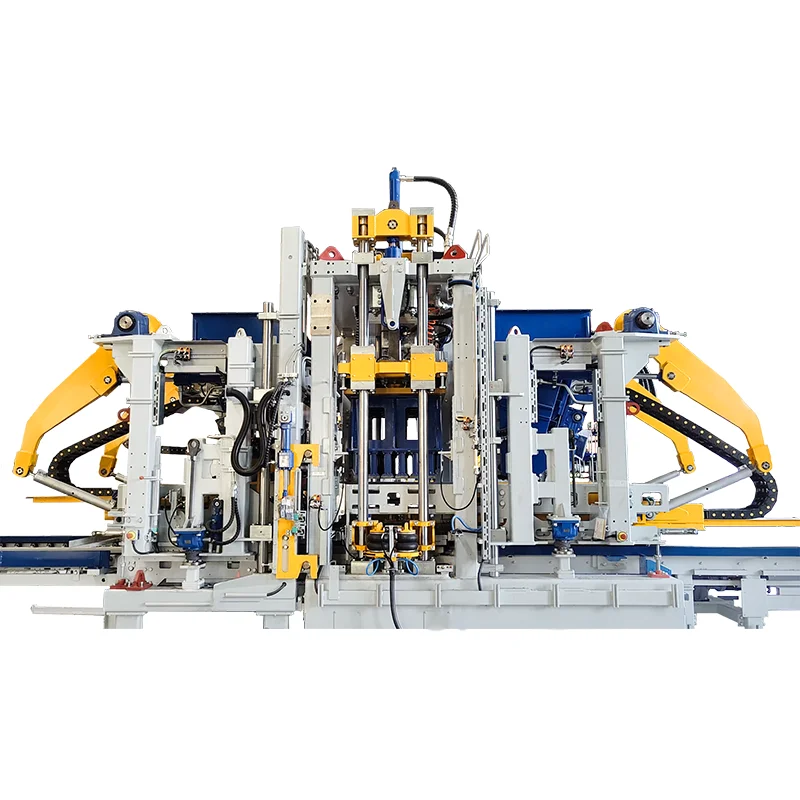
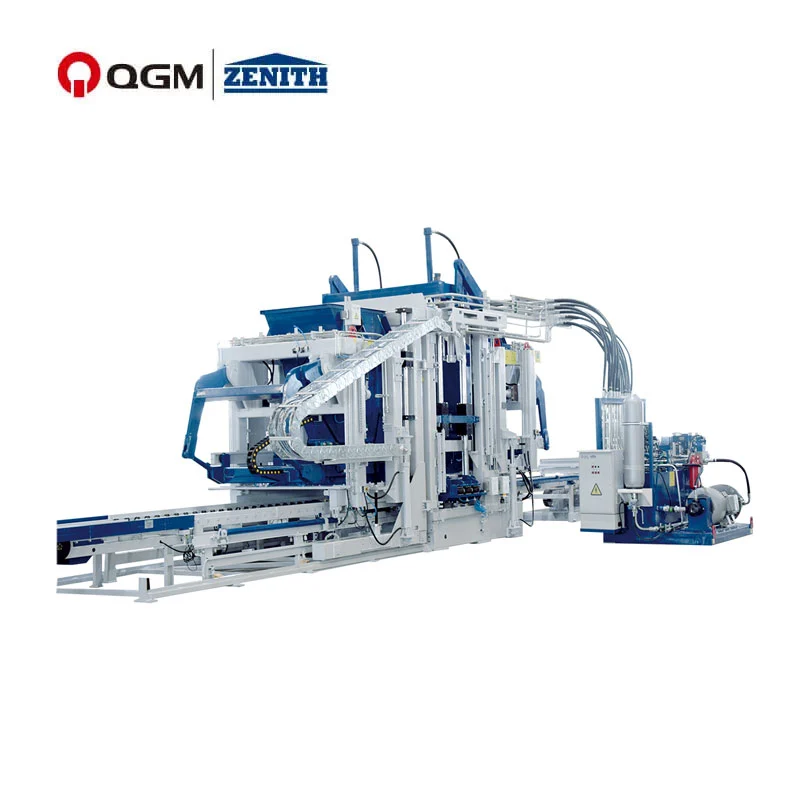
Our integrated concrete products brick making production line solutions combine robust engineering with scalable automation to serve projects of any magnitude. At the heart of these systems sits the versatile Concrete Brick Making Machine, which can be configured as a standalone unit or expanded with conveyors, mixers, and stackers to build a complete factory. For operations demanding higher throughput, the Concrete Brick Making Machinery series introduces servo-driven vibration and hydraulic pressing modules that elevate block density to engineering-grade standards. Customers looking for a turnkey footprint often pair the core equipment with our Concrete Products Brick Machinery package, which includes silo feeding, cement weighing, and color dosing apparatus ready for immediate integration. Even the entry-level Concrete brick machine benefits from the same precision-machined mold sets and programmable logic controls found across the entire portfolio, guaranteeing uniform product output and reduced changeover downtime.
The concrete products brick making production line is structured around a closed-loop material handling philosophy that minimizes waste and labor touchpoints. A typical layout begins with aggregate batching and proceeds through a twin-shaft compulsory mixer, where cement and water are added under strict weight tolerances monitored by load cells. The homogenized mix then flows into the hopper of the main forming station, which employs synchronous vibration and hydraulic pressure to compact blocks within heat-treated steel molds. After demolding, the green products are transferred by finger-car elevators to a multi-layer curing rack system, where temperature and humidity are automatically regulated for 24 to 48 hours depending on the mix design. The cured blocks exit through a lowering vehicle and are packaged via a strapping or palletizer unit, ready for storage. This sequential architecture allows a single operator to oversee the entire concrete products brick making production line from a centralized touchscreen panel, while auxiliary functions such as pallet cleaning and mold oiling run autonomously on timed loops.
To help specifiers match equipment to their project targets, the following technical parameters detail the core performance envelope of the line. Each configuration can be custom-tuned for specific block types—including hollow, solid, paving, and curbstone designs—by swapping mold inserts without altering the main frame.
- Standard mold change time: under 8 minutes with quick-release clamps and guided rail alignment.
- Vibration frequency range: 55–70 Hz, adjustable in 5 Hz increments for different aggregate gradations.
- Hydraulic system: dual-pump configuration delivering 31.5 MPa working pressure with integrated oil cooling and filtration circuit.
- Control architecture: Siemens S7-series PLC with Ethernet/IP and Modbus TCP compatibility for plant-wide SCADA integration.
- Cement silo options: bolted or welded construction from 60 to 200 tonnes, with continuous level radar and screw conveyor feed.
- Block thickness tolerance: ±0.5 mm in height and ±1.5 mm in length, maintained by automatic height correction on each cycle.
| Model | Production Capacity (8" blocks/hr) | Total Installed Power (kW) | Pallet Size (mm) | Molding Area (mm) | Brick Height Range (mm) |
|---|
| QT4-15 | 3,840 – 4,320 | 27.5 | 860×600 | 780×540 | 60–150 |
| QT8-15 | 7,680 – 8,400 | 45.0 | 1100×700 | 1020×610 | 60–200 |
| QT10-15 | 9,600 – 10,560 | 62.0 | 1400×750 | 1280×680 | 80–250 |
| QT15-15 | 14,400 – 15,840 | 85.5 | 1400×1100 | 1320×980 | 80–300 |
The above figures are based on a standard three-shift operation and a mix ratio of 1:6 cement to aggregate with approximately 6% moisture. Higher production speeds are attainable with lighter products such as hollow blocks, while paving and heavy interlocking stones operate at the lower end of the capacity band. Every machine in the line can store up to 200 mix recipes internally, enabling job-site flexibility without requiring frequent recalibration. Pallet return systems and rack dryers are dimensioned to match the main machine cycle time, preventing bottlenecks and ensuring that the full concrete products brick making production line operates at a steady state from the first cycle through continuous production runs.