Small brick making machine
For builders and entrepreneurs looking to streamline on-site production, a small brick making machine represents a cost-effective gateway into quality block manufacturing. The equipment is compact yet robust, engineered to deliver consistent output without demanding large factory footprints. It efficiently processes materials such as soil, clay, cement, and sand, transforming them into interlocking or solid bricks suitable for residential walls, garden landscaping, and partition projects. Depending on the mix recipe, operators can switch seamlessly between different brick types, making the unit ideal for localized construction needs. Explore our Clay Brick making Machine for handling cohesive soils, or review the Cement Brick Machinery line for higher compression and smoother finish. Meanwhile, integrated solutions within the Clay Brick making Machinery series add automated feeding and mixing, whereas the Cement Brick Making Machine variant brings vibration-assisted molding for denser, load-bearing blocks. By combining these technologies in one portable frame, a small brick making machine reduces transportation costs and gives hands-on control over raw material selection and production scheduling.
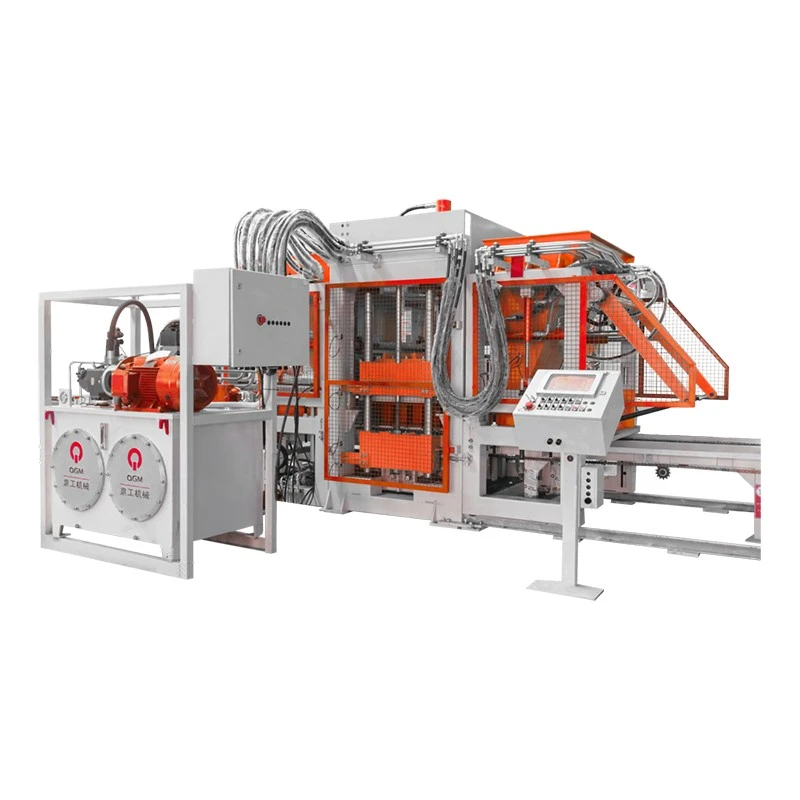
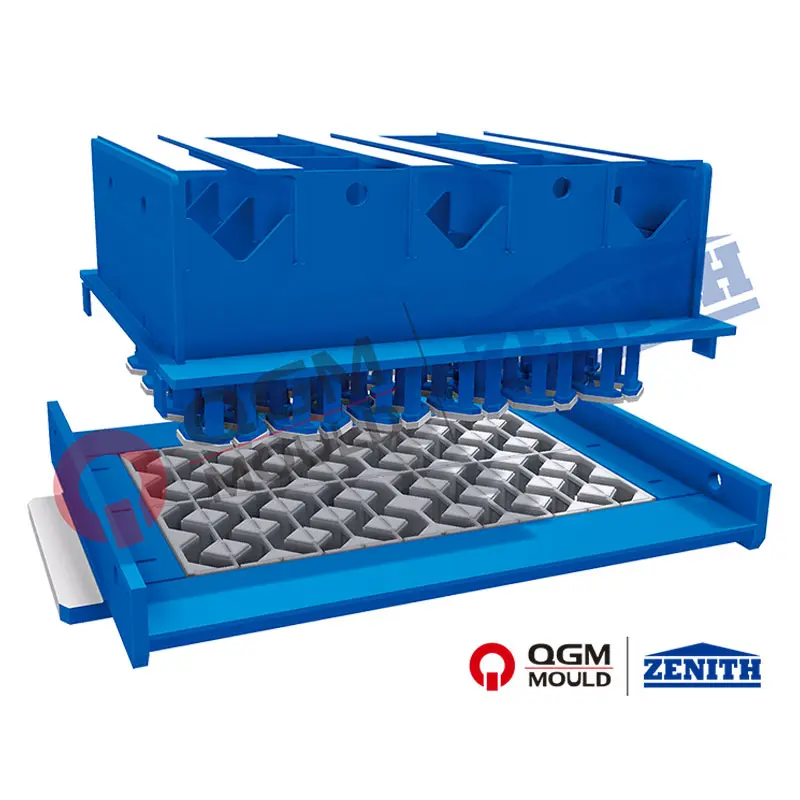
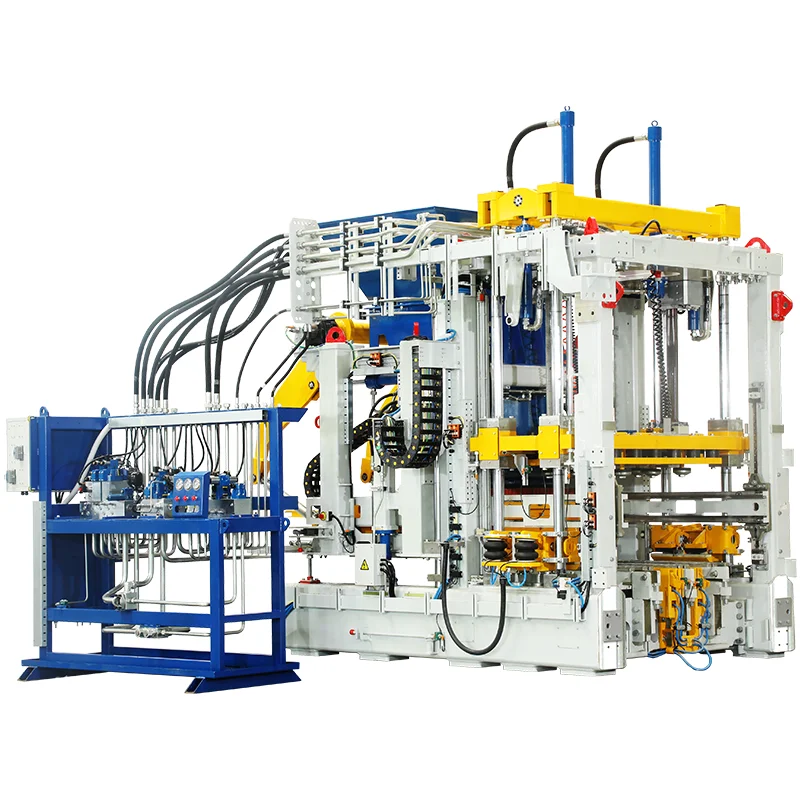
Small brick making machine configurations typically center on a hydraulic or mechanical pressing system that shapes bricks under precise pressure. The frame is fabricated from heavy-duty steel, ensuring stability during high-cycle operations. A diesel or electric motor drives the pump and mold table, with power options ranging from 5.5 kW to 15 kW to suit off-grid or urban settings. Brick dimensions are determined by interchangeable molds, allowing the machine to produce standard 220×110×70 mm solid bricks, hollow blocks, and paver shapes. A strong vibrator unit accelerates material compaction, boosting density and reducing air pockets. The control panel features intuitive levers or a touchscreen interface that manages cycle time, pressure limits, and safety interlocks. Daily output depends on machine size: smaller hand-operated models may yield 2,000 to 4,000 bricks per shift, while semi-automatic and fully automatic versions can exceed 8,000 to 12,000 bricks under continuous operation. Raw material mixing ratios, moisture content, and curing methods directly influence the final compressive strength, which commonly sits between 7 and 20 MPa for cement-based bricks. Sophisticated models incorporate a twin-shaft mixer and conveyor belts, creating a complete small brick making machine production line that minimizes manual labor.
Key specifications and performance indicators are detailed below to help select the right configuration.
- Molding method: hydraulic pressing with vibration or mechanical toggle
- Power source: electric engine (three-phase/four-stroke diesel)
- Interchangeable mold sets for solid, hollow, paving, and curbstones
- Safety features: emergency stop, overload protection, sealed electricals
- Welded heavy-duty steel structure with anti-corrosion paint
- Hydraulic system pressure: 15–25 MPa
- Cycle time: 15–25 seconds per pressing
- Machine weight: 800 kg–2,500 kg depending on automation level
| Parameter | Value/Range |
|---|
| Daily output (8h shift) | 4,000 – 12,000 pcs |
| Installed motor power | 5.5 – 15 kW |
| Brick size (standard solid) | 220 × 110 × 70 mm |
| Vibrator force | 20 – 40 kN |
| Max pressure | 25 MPa |
| Pallet size | 900 × 600 mm |
| Gross weight | 1,200 – 2,400 kg |
| Operators needed | 1 – 3 persons |
| Material hopper capacity | 0.3 – 0.8 m³ |
| Noise level | ≤ 85 dB(A) |
Consistent performance depends on routine checks of hydraulic oil levels, mold alignment, and vibration motor bearings. Many units offer quick-change mold systems that reduce downtime between production runs. A well-maintained small brick making machine can serve for decades, establishing a reliable block supply for construction firms or a profitable micro-enterprise. Modular designs permit add-ons such as stackers, color dosing units, and automatic cubers, scaling the operation as demand grows. The machine’s ability to utilize locally quarried materials, recycled aggregates, or fly ash reduces input expenses and supports sustainable building practices. With straightforward training, operators master the feeding, pressing, and curing workflow within days, making the equipment accessible even for newcomers to the brick-making industry.