News

How to Choose the Right Concrete Block Machine: 4 Key ROI Factors

2026-09-16 0 Leave me a message

In today’s increasingly competitive building materials market, choosing the right model of concrete block machine directly determines a block factory’s future production capacity and profit potential. Faced with a wide array of equipment on the market, investors should not blindly pursue low prices but instead conduct a thorough evaluation based on the following 4 key factors to ensure that the block making machine perfectly aligns with your production plan.

1. Production Scale: Precisely aligning production capacity with daily output requirements

The first step in selecting equipment is to clarify your business positioning. You need to work backward from the daily demand of your target market to determine the required production capacity. For small startups or occasional self-use projects, a small or mobile block making machine with a daily output of a few thousand blocks will suffice; however, for building material factories serving large-scale construction projects or long-term suppliers, you must choose a large-scale fully automated block production line with a daily output of tens of thousands or even hundreds of thousands of blocks. Avoid over-provisioning or blindly exceeding capacity limits; precise matching is key to reducing investment risk.

2. Block Specifications: Flexibility and Mold Compatibility Are Key

Different construction projects have vastly different requirements for brick size, shape, and strength. When selecting equipment, it is essential to evaluate its mold compatibility. A high-quality concrete block machine should be capable of “multi-purpose use,” allowing for the flexible production of standard solid blocks, hollow blocks, and even high-value-added permeable pavers, curbstones, or slope protection blocks simply by changing molds. Ensuring that the machine’s forming height and pressure system can accommodate all the brick types you plan to produce is a prerequisite for enhancing your products’ market competitiveness.

3. Level of Automation: Balancing Production Efficiency and Labor Costs

The level of automation is directly linked to long-term operating costs. You need to weigh this against local labor costs and the difficulty of recruiting workers.

Semi-automatic/Basic Models: These require a low initial investment and are suitable for regions with limited budgets and lower labor costs, but production efficiency is relatively limited.

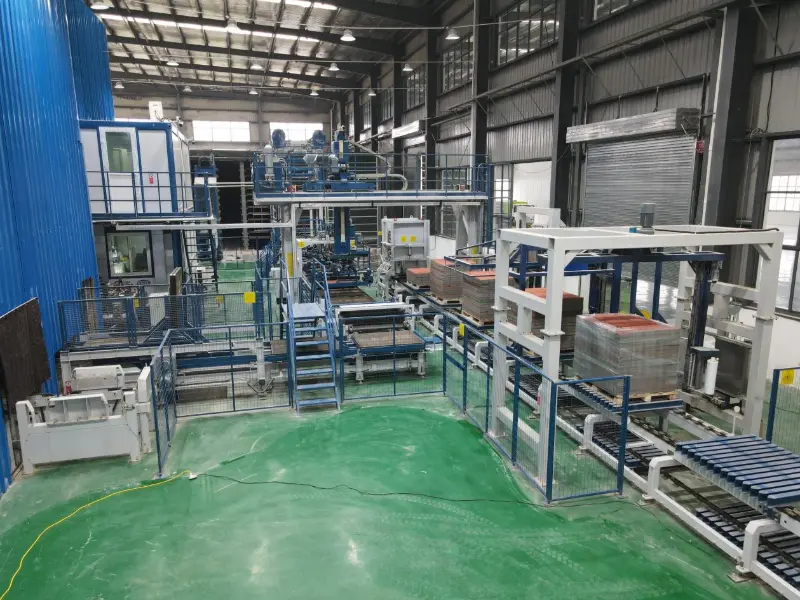
Fully Automated Production Lines: Equipped with PLC intelligent control, automatic batching, and palletizing systems. Although the initial investment is higher, it significantly reduces reliance on manual labor, achieving 24/7 high output, and in the long run, significantly reducing the production cost per block.

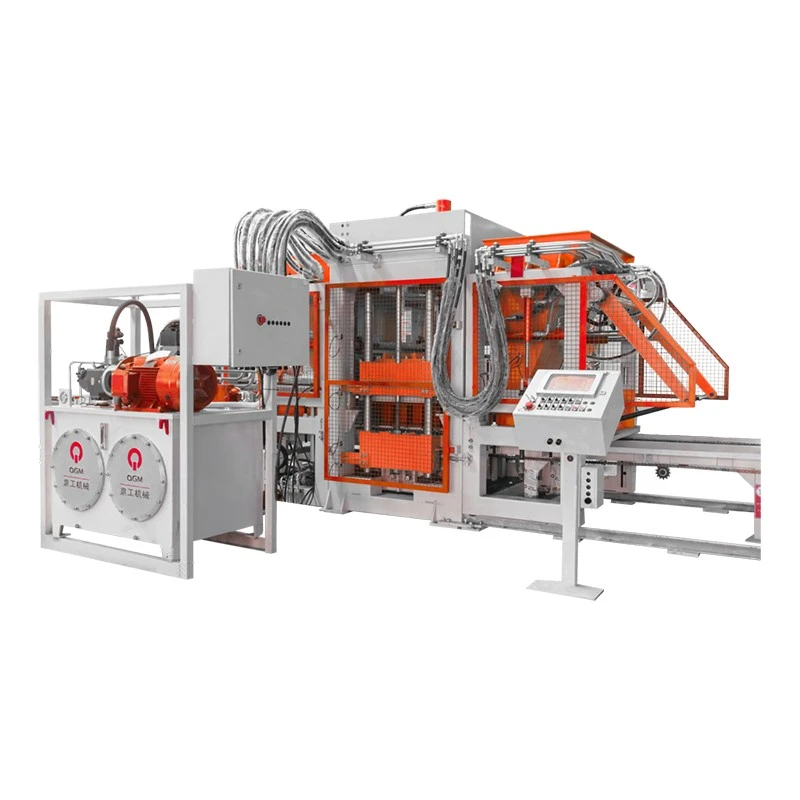
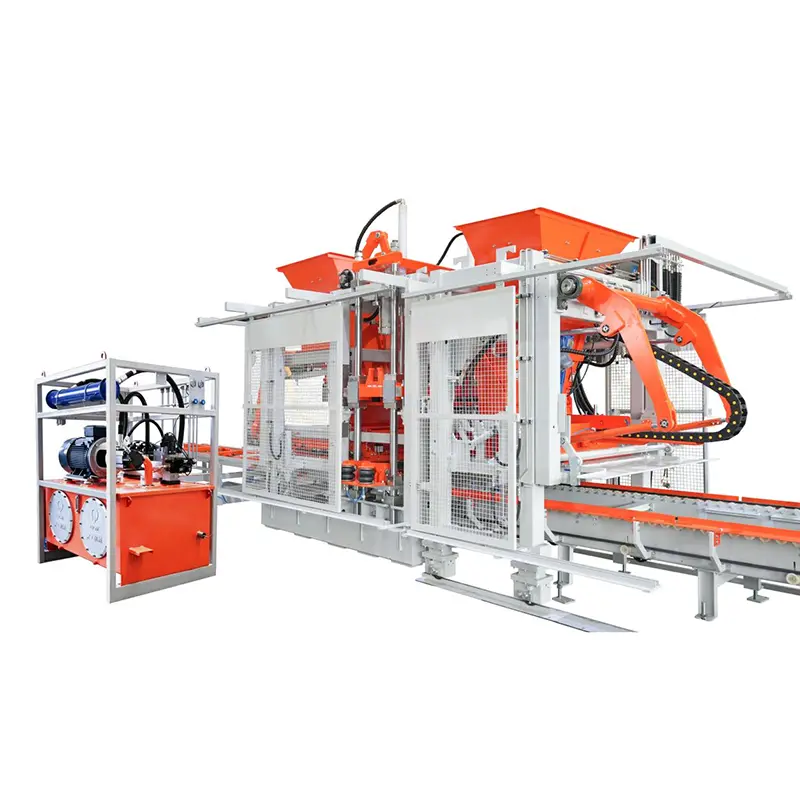
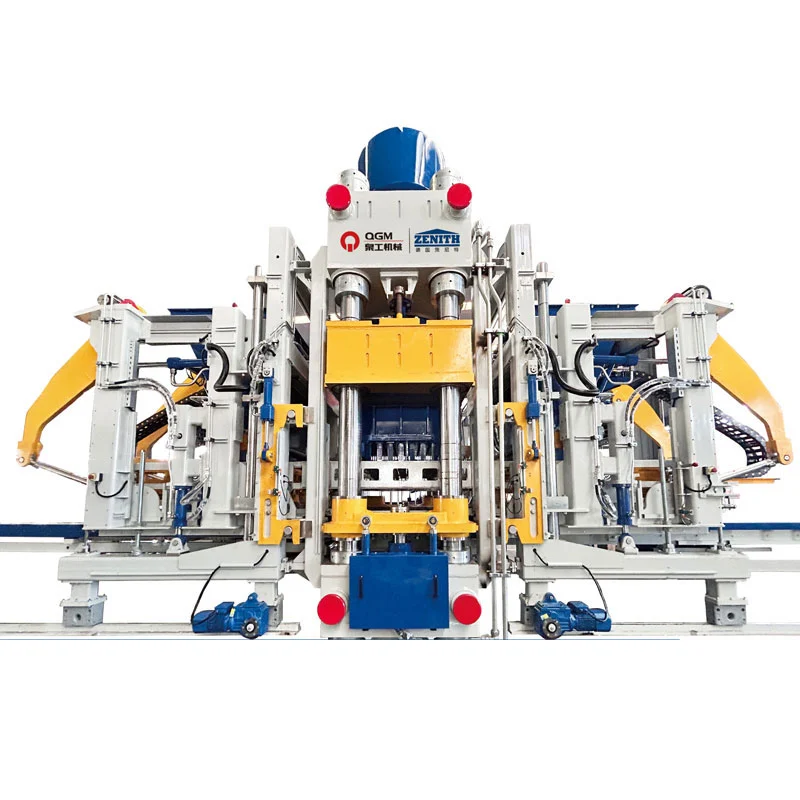
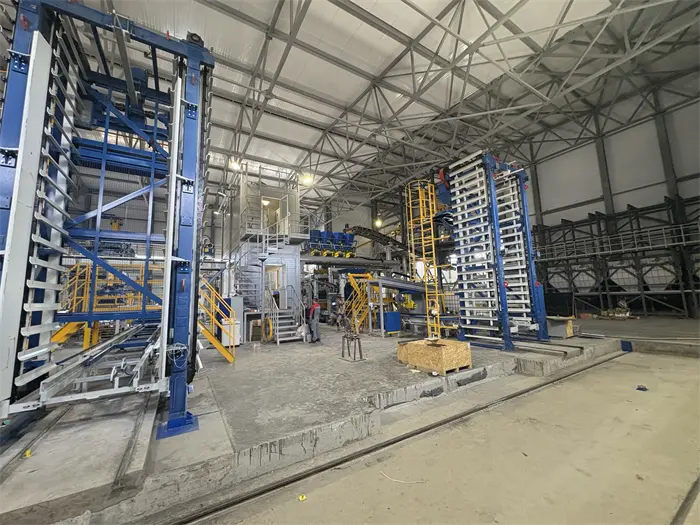
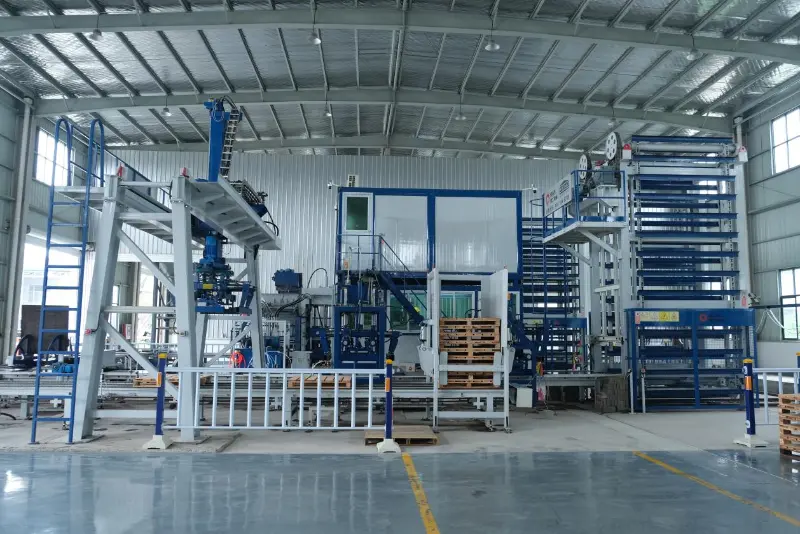
△QGM Automatic Block Making Machine Installed in Global Construction Projects

4. Budget Planning: Focus on “Total Cost of Ownership” Rather Than Just the Lowest Price

Budgeting is a practical consideration, but it’s crucial to avoid falling into the trap of focusing solely on price. High value for money does not equate to the lowest price. When evaluating your budget, we recommend incorporating the concept of Total Cost of Ownership (TCO): in addition to the purchase price of the equipment, you should also factor in energy consumption, the frequency of replacement for wear-and-tear parts, the risk of downtime due to malfunctions, and the equipment’s residual value. A high-quality, mid-to-high-end piece of equipment that operates reliably can often recoup the price difference within just one or two years through savings on electricity and labor costs—this is what truly means “saving money.”

Choosing the right concrete block machine is essentially a long-term production capacity configuration, shifting from simple price comparisons to a deep consideration of the equipment's total life cycle value (TCO). Facing the complex working conditions and high standards of different projects, QGM, with over 40 years of industry experience, can provide customized, world-leading block making solutions, covering the entire process from early planning and mid-term delivery to later operation and maintenance, helping projects to be implemented efficiently and operate stably. We hope this guide will help you make the wisest investment decisions, making block making equipment a powerful partner for your continued profitability.

FAQ

1.How do I choose the right concrete block machine for my business?

Choosing the right concrete block machine depends on production capacity, target products, automation level, raw material conditions, and investment budget. Buyers should select equipment based on actual market demand and long-term production goals rather than only focusing on the initial purchase price.

2.What factors should I consider when buying a block making machine?

The key factors include production output, block specifications, mold compatibility, automation level, energy consumption, maintenance requirements, and total cost of ownership (TCO). A suitable block making machine should match your production plan and provide stable long-term operation.

3.Is a fully automatic block production line better than a semi-automatic block machine?

A fully automatic block production line provides higher efficiency, lower labor dependence, and more consistent product quality through PLC control, automatic material handling, and intelligent production management. Semi-automatic machines may be suitable for small-scale projects with limited investment budgets.

4.Can one concrete block machine produce different types of concrete products?

Yes. A high-quality concrete block machine with flexible mold compatibility can produce various concrete products, including hollow blocks, solid blocks, paving blocks, permeable pavers, curbstones, and other customized concrete products by changing molds and adjusting production parameters.

5.Why should I consider total cost of ownership when selecting a block machine?

Total cost of ownership includes not only the equipment purchase price but also energy consumption, labor costs, maintenance expenses, downtime risks, and equipment service life. A reliable block machine may provide higher long-term returns through lower operating costs and improved production stability.

Related News
Leave me a message
X
We use cookies to offer you a better browsing experience, analyze site traffic and personalize content. By using this site, you agree to our use of cookies.Privacy Policy
RejectAccept