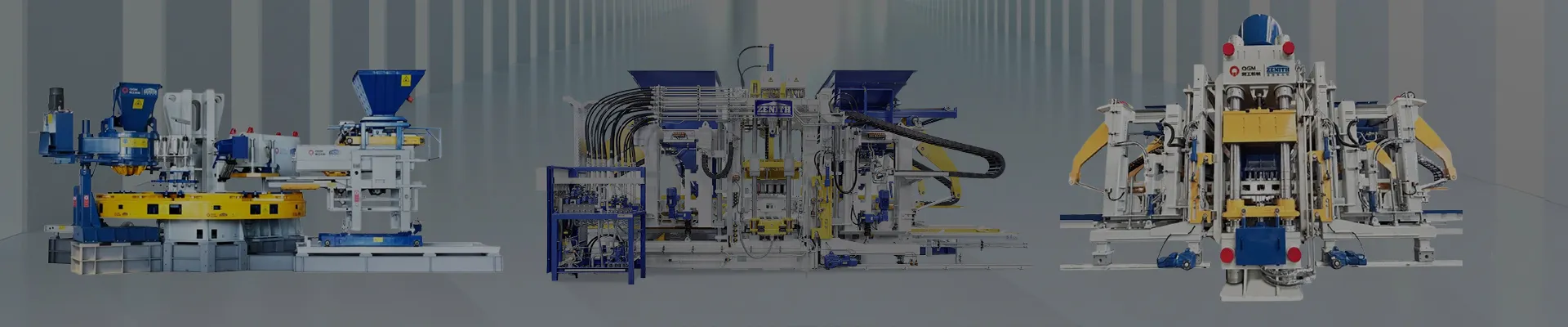
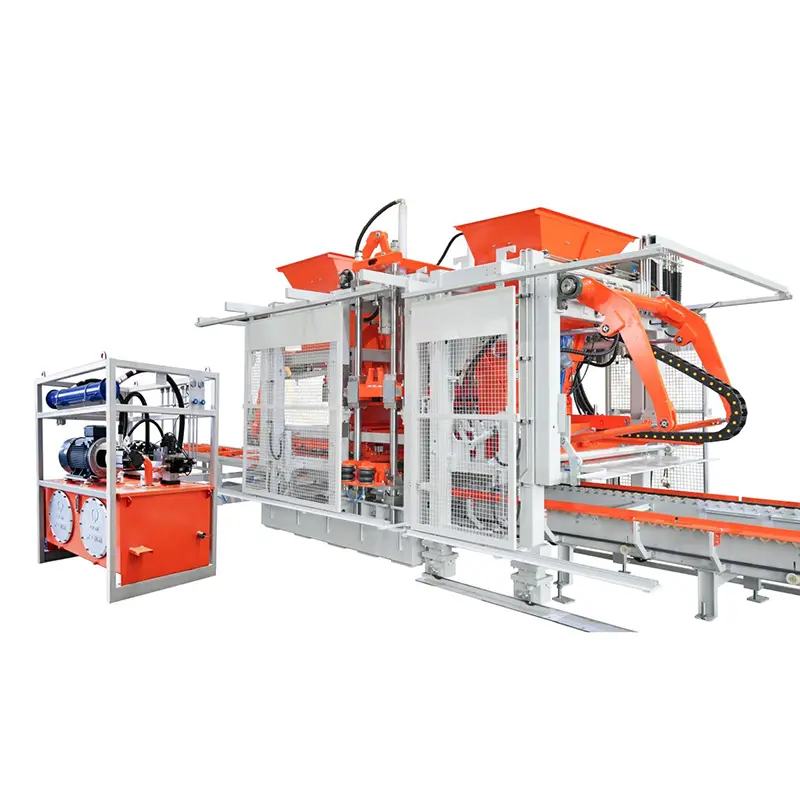
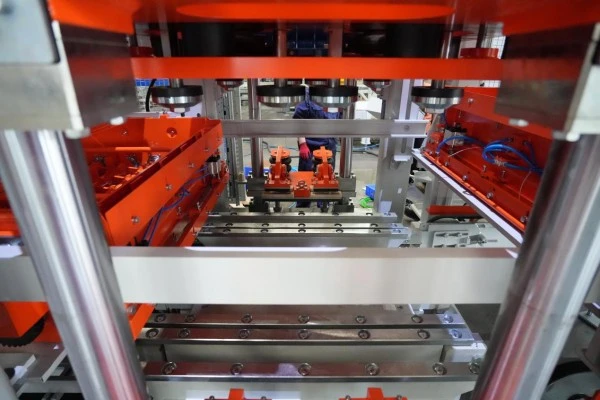
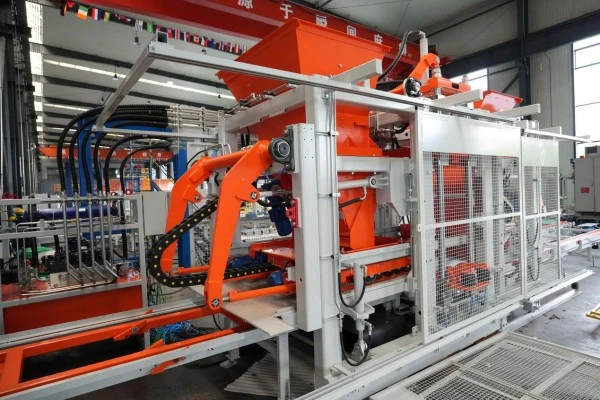
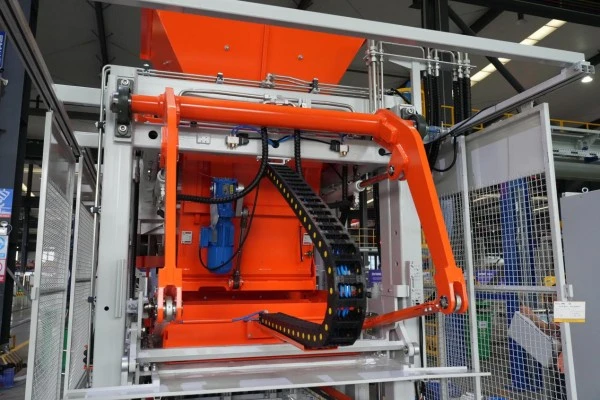
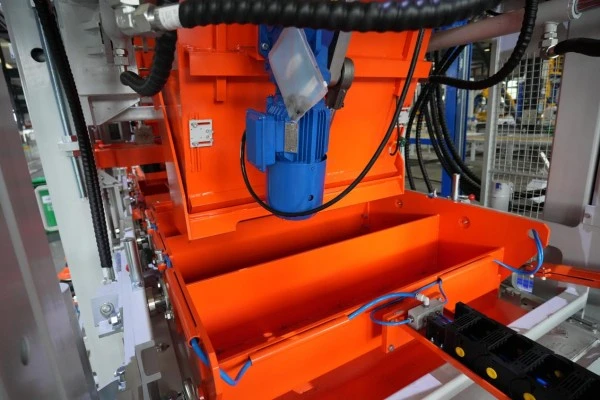
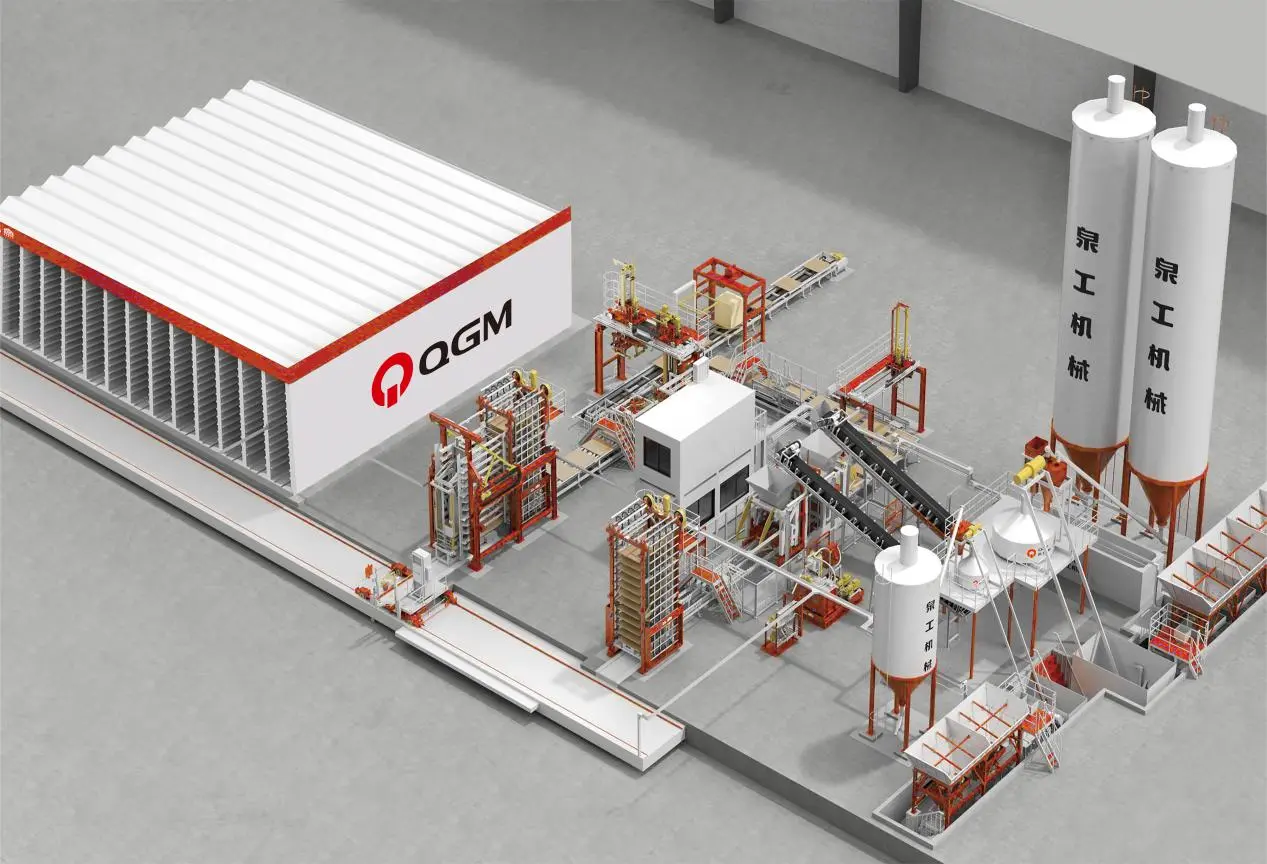
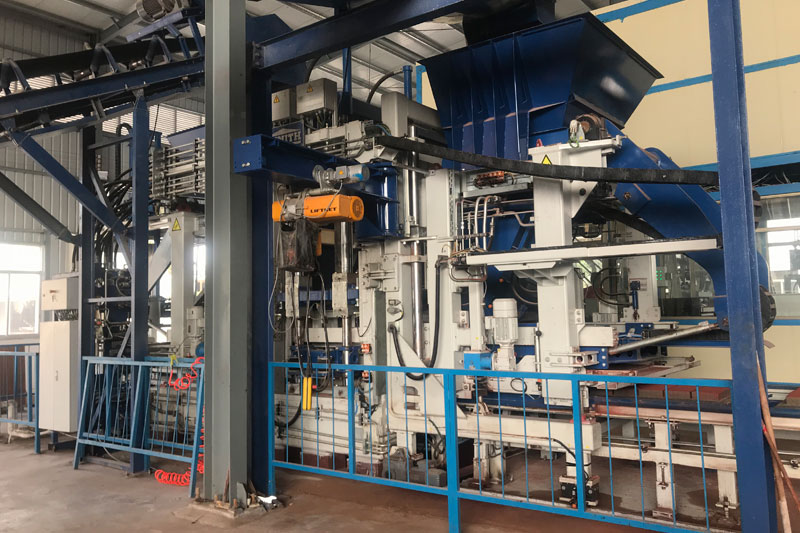
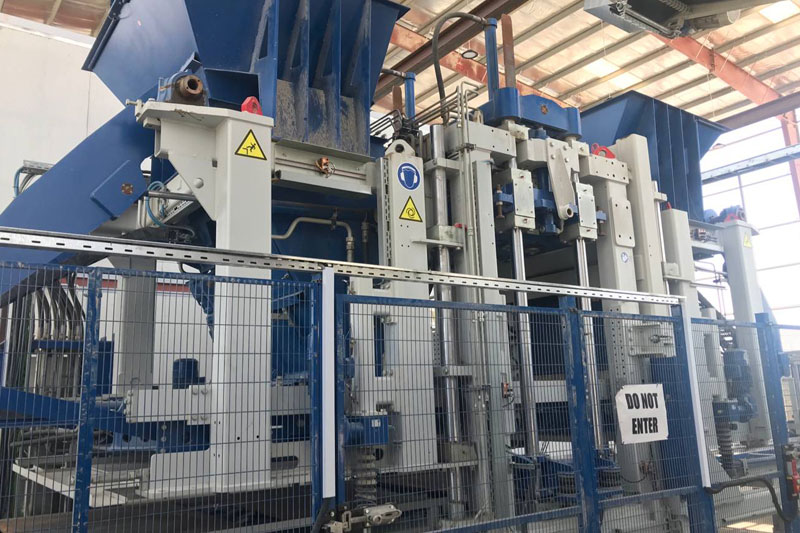
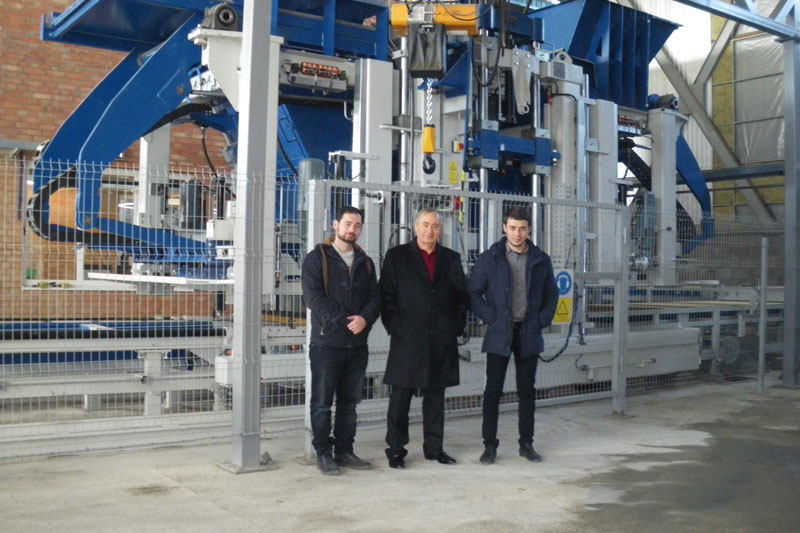
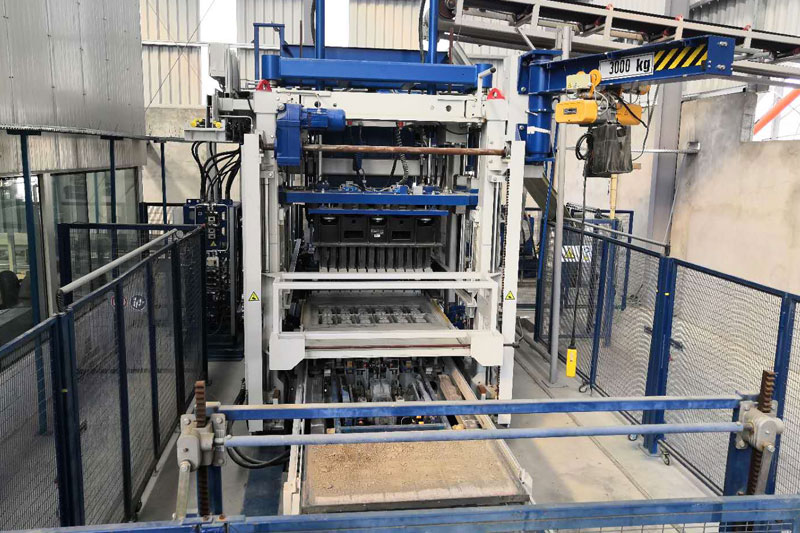
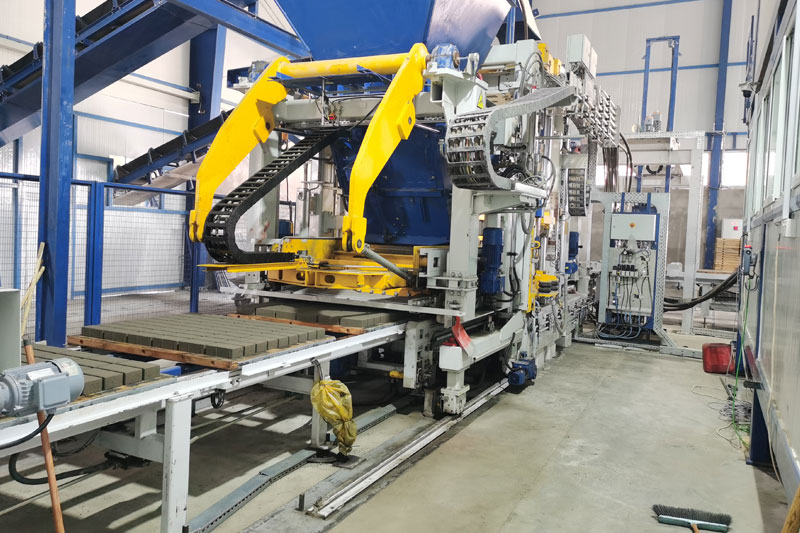
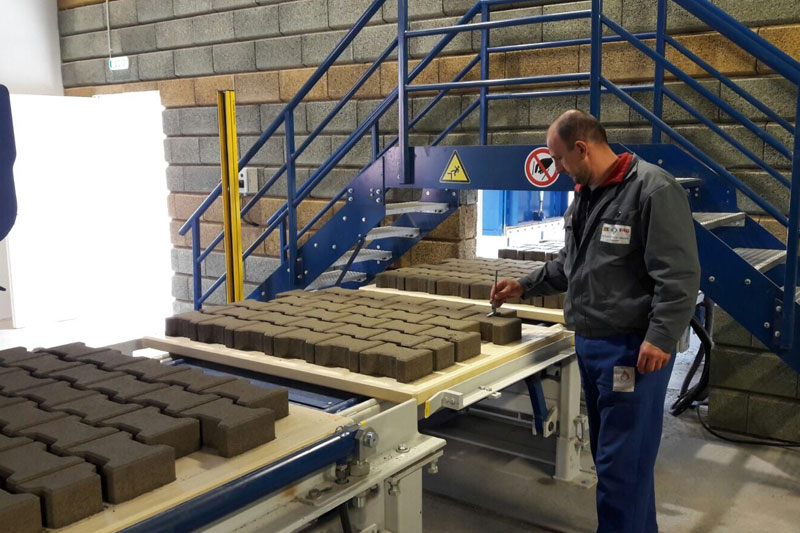
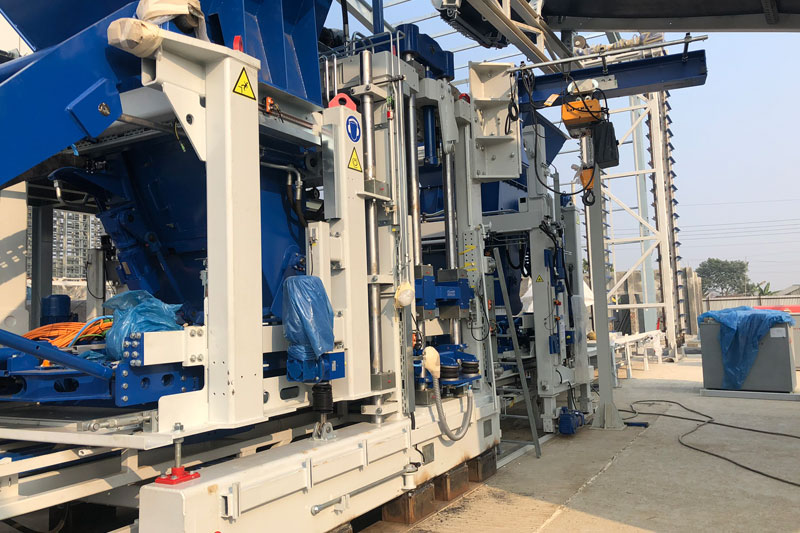
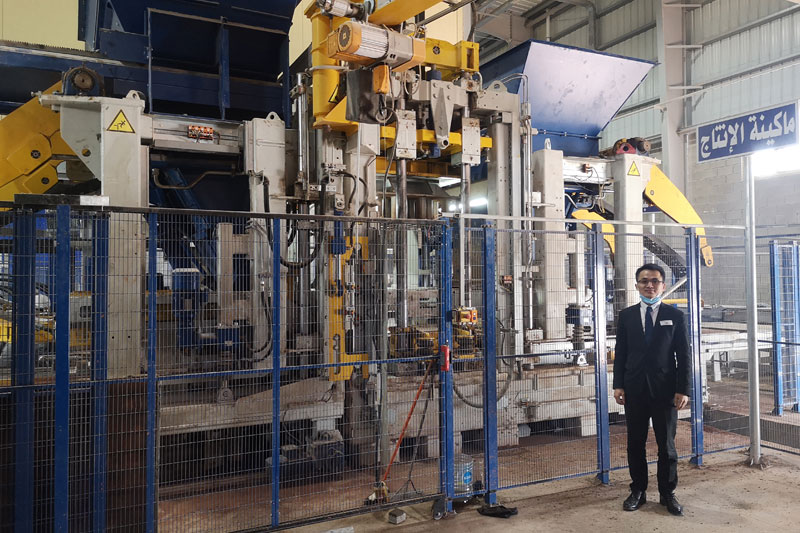
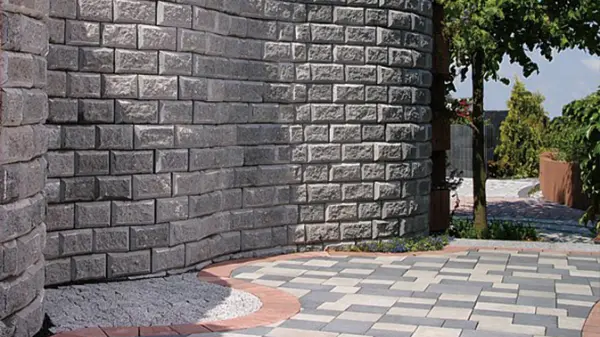
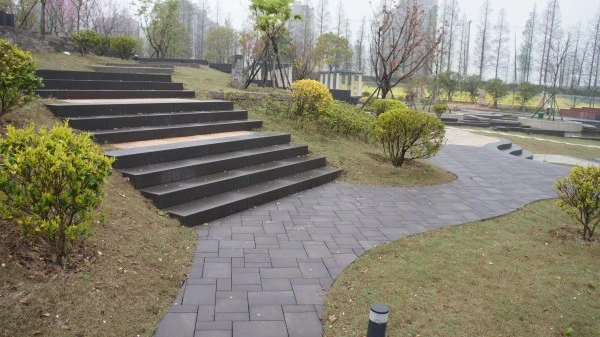
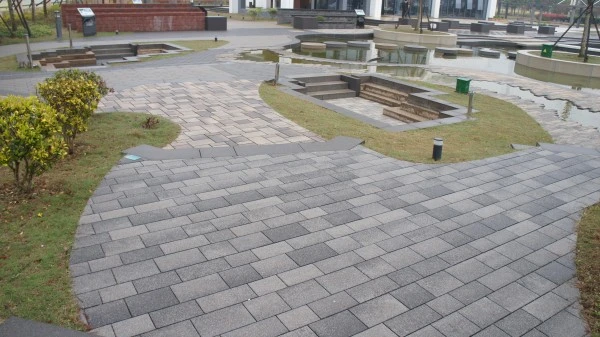
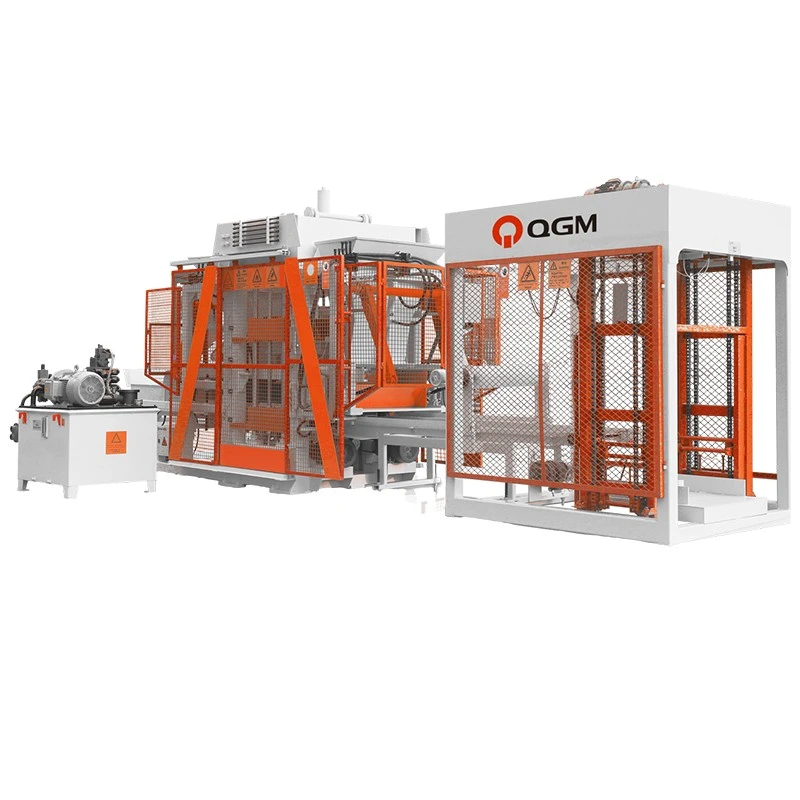
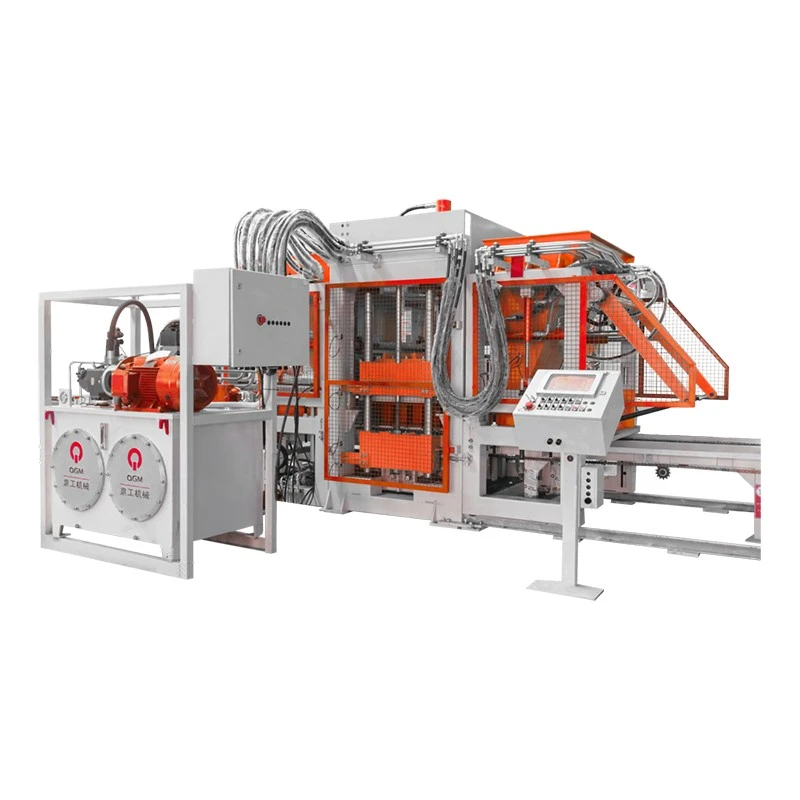
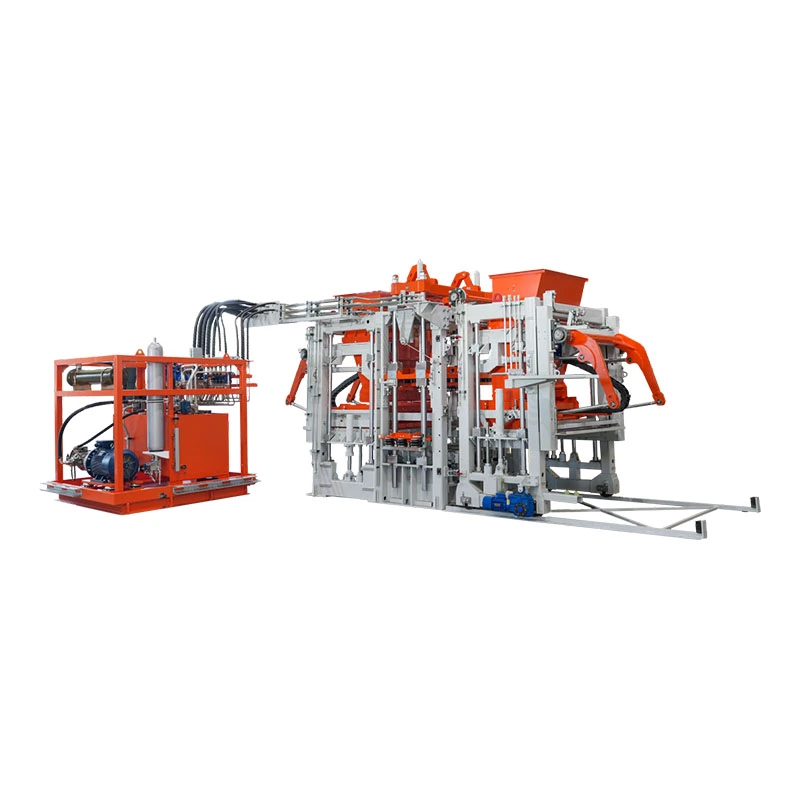
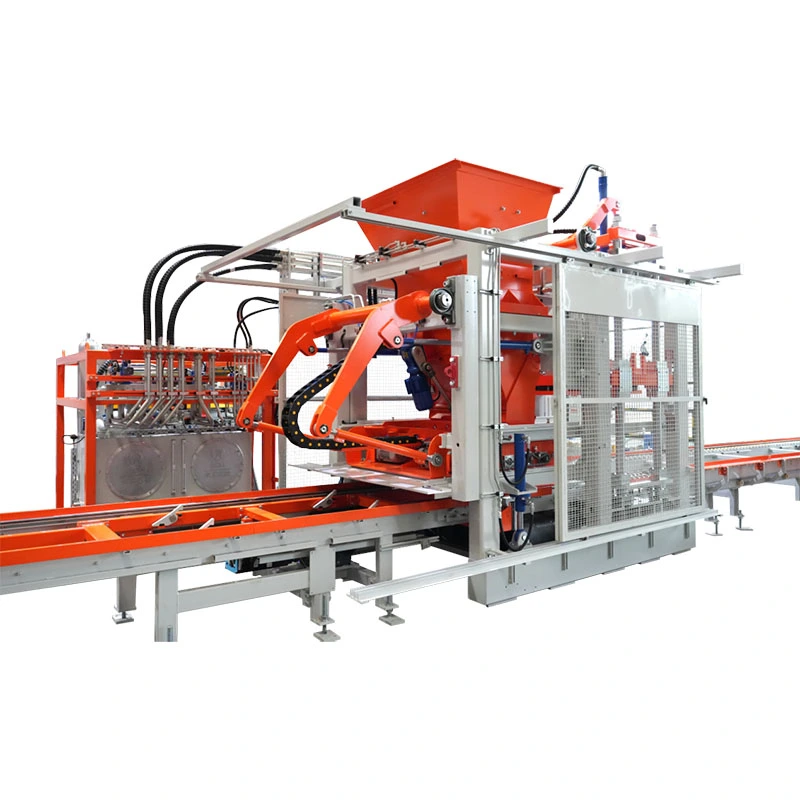
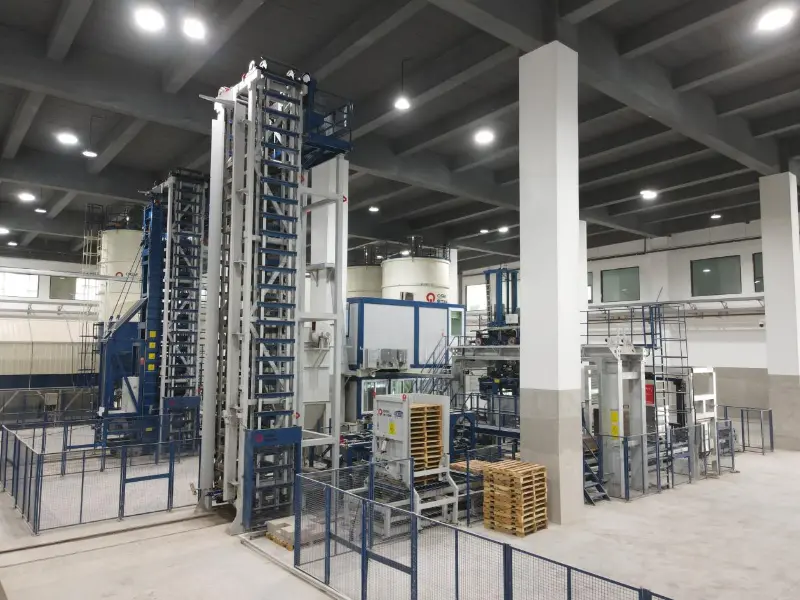
The standard brick forming machine (also known as a non-fired brick machine or concrete block forming machine) is a high-tech, modern building materials production equipment integrating mechanical, hydraulic, and electrical control. This equipment primarily uses industrial solid waste or natural aggregates such as fly ash, river sand, gravel, stone powder, coal gangue, slag, and construction waste as raw materials, adding a small amount of cement. Through a process combining hydraulic pressure and high-frequency vibration, the mixture is pressed into standard bricks, porous bricks, hollow blocks, and other new wall materials.
Key technical advantages of the standard brick forming machine:
1. Environmental protection, energy saving, and resource recycling:
High solid waste utilization rate: It can consume large quantities of solid waste such as fly ash, coal gangue, smelting slag, tailings slag, and crushed construction waste. The proportion of solid waste in the raw materials can reach 80%-90% or more, conforming to the national circular economy and "dual-carbon" policy guidelines.
No sintering required: The production process does not require high-temperature firing, avoiding the damage to land resources and the emission of harmful gases such as sulfur dioxide that are common in traditional clay brick factories. It is a typical example of green manufacturing equipment.
2. High-efficiency production and high degree of automation:
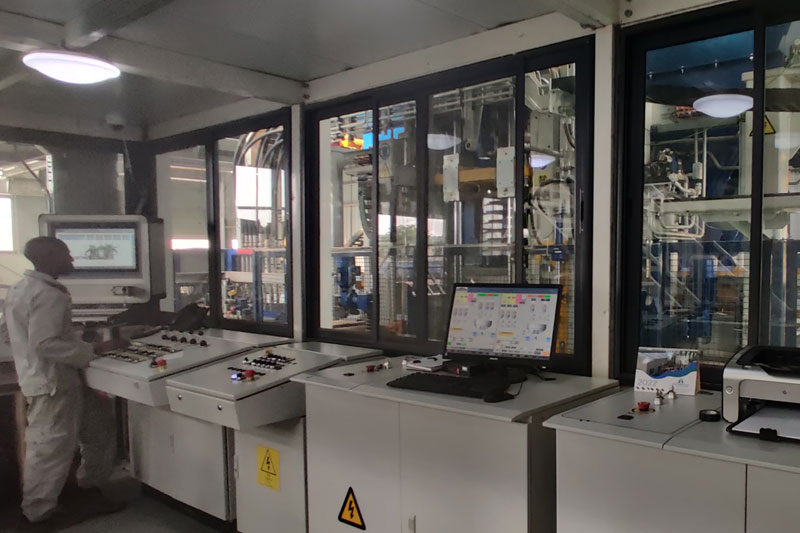
Fast molding speed: Advanced models such as the T12 block molding machine series can shorten the molding cycle to 15-25 seconds/cycle, with a single shift (8 hours) output of tens of thousands of standard bricks, significantly improving production efficiency compared to traditional equipment. Intelligent control: Adopting PLC control systems and touch screen human-machine interfaces from brands such as Siemens and Mitsubishi, it achieves precise parameter setting, fault self-diagnosis, remote monitoring, and data recording. Some high-end models support frequency conversion technology, which can automatically adjust the motor speed according to the load, achieving an energy saving rate of about 30%. Low labor costs: Fully automated production lines require only 1-2 people for monitoring and operation, greatly reducing reliance on skilled workers and labor costs.
3. Excellent and stable product quality:
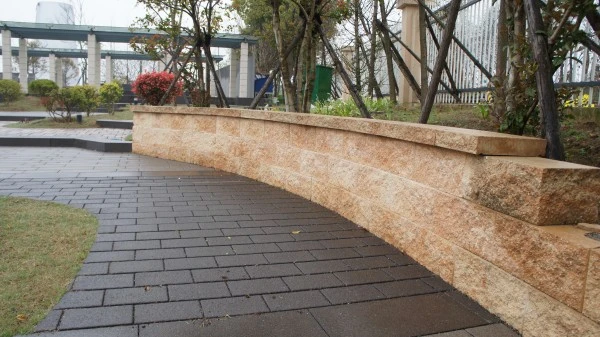
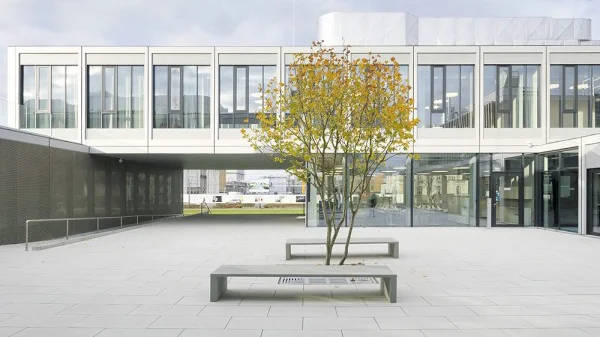
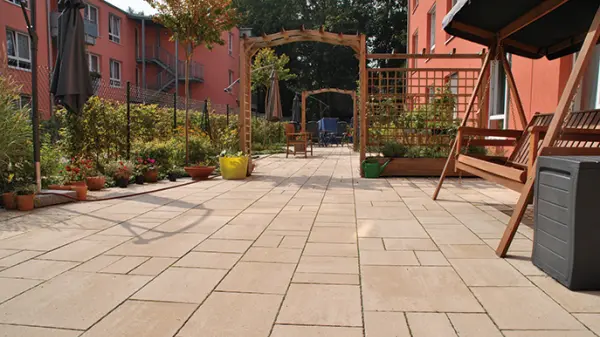
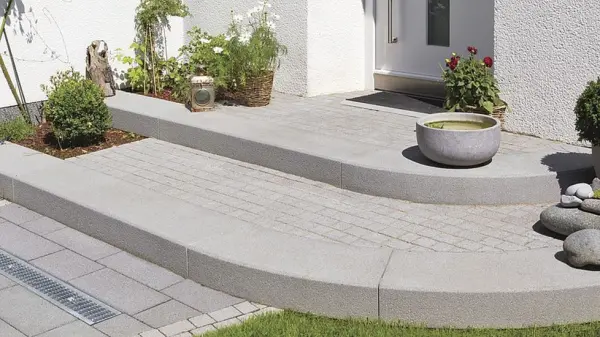
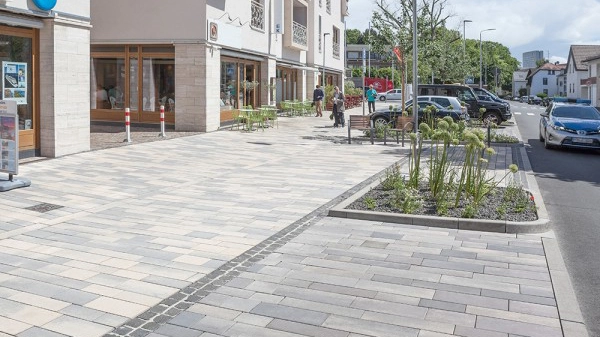
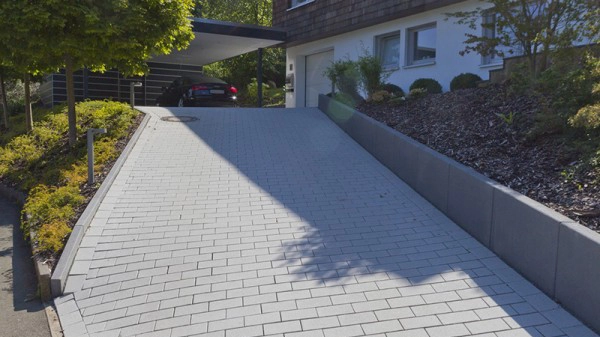
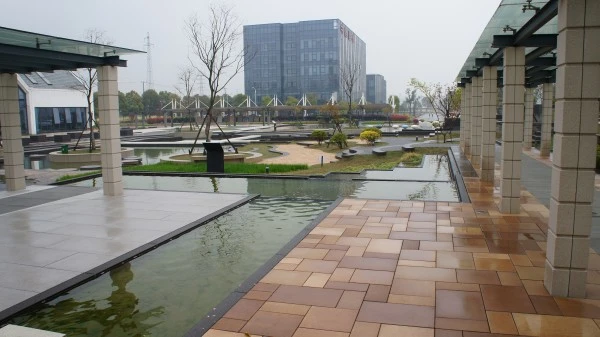
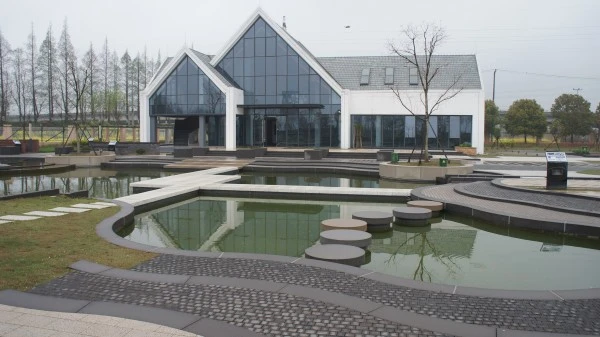
High density and high strength: Utilizing table mold vibration, hydraulic pressure, and forced material distribution technology, it ensures that the internal structure of the brick blank is uniform and free of air bubbles. The compressive strength of the finished product can reach MU10-MU15 or higher, and the dimensional error is controlled within ±1mm. Exquisite Appearance: High-precision molds combined with linear cutting technology result in bricks with sharp edges, a smooth surface, and minimal burrs, suitable for direct use in exposed brickwork or landscaping.
4. Multi-functional Flexibility:
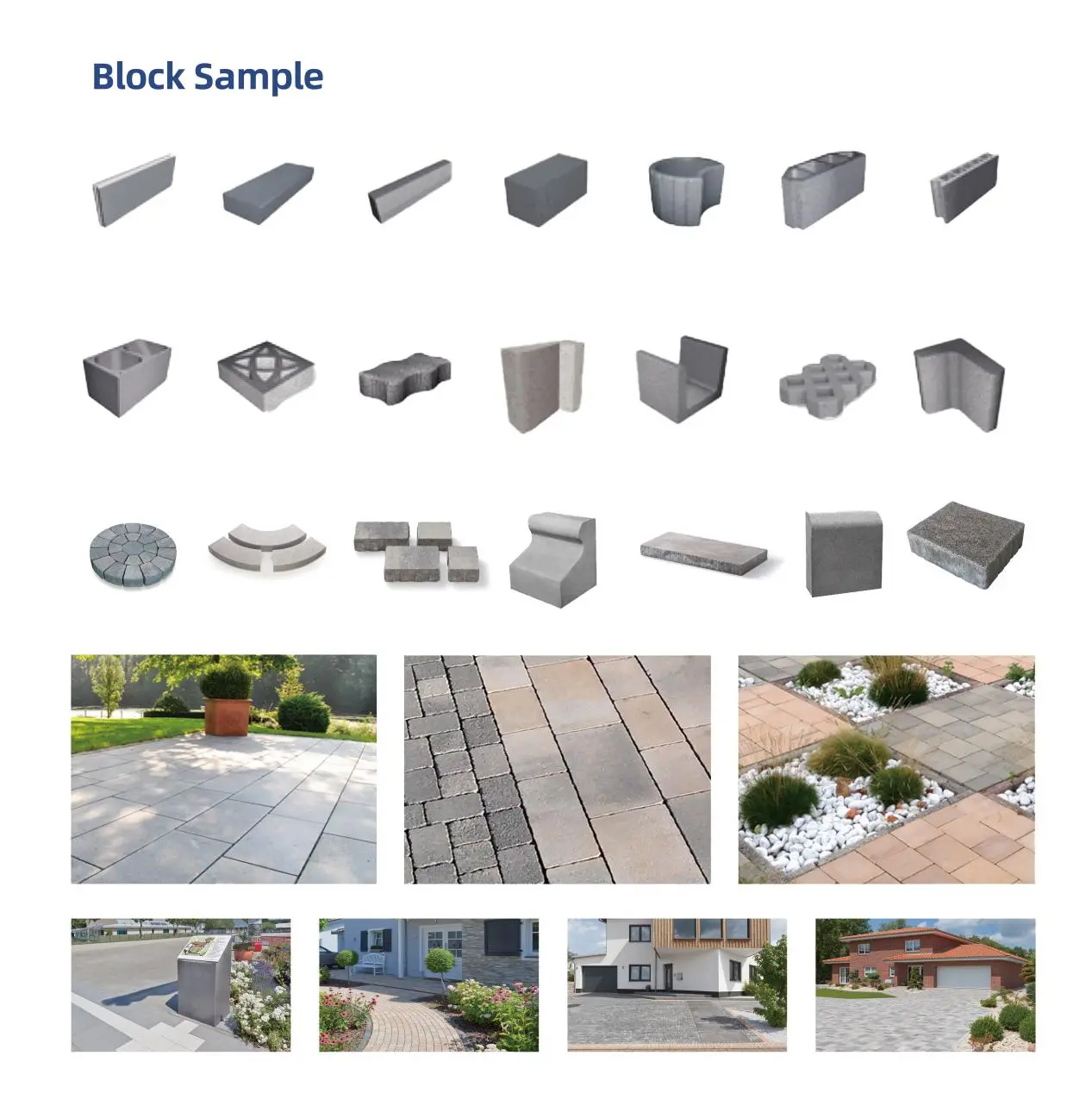
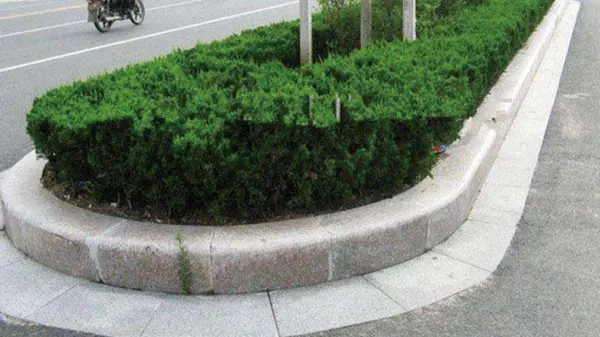
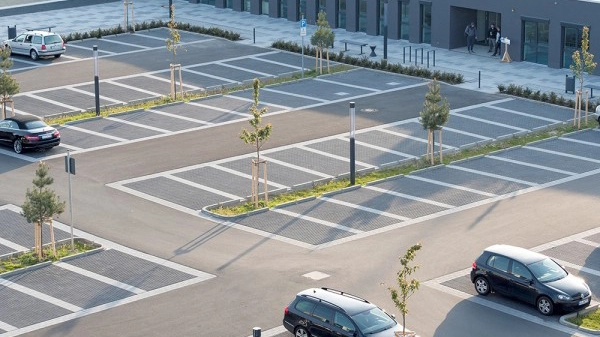
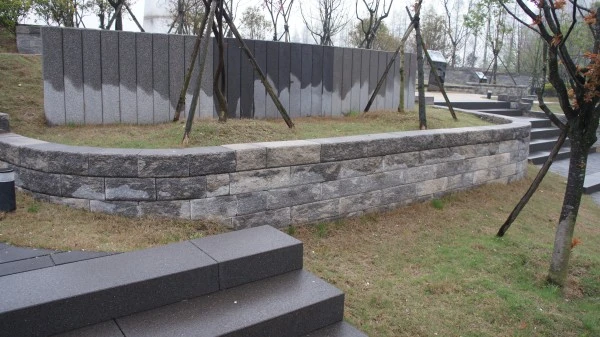
Easy Mold Changeover: By changing molds of different specifications, the same machine can produce a variety of products, including standard bricks, perforated bricks, hollow blocks, curb stones, grass pavers, and slope protection bricks, meeting the needs of municipal, water conservancy, and residential construction sectors.
Colored Fabric Application Function: Some models are equipped with a secondary fabric application system, enabling the production of two- or multi-color layered surface bricks, enhancing product added value and market competitiveness.
5. Robust Structure and Easy Maintenance:
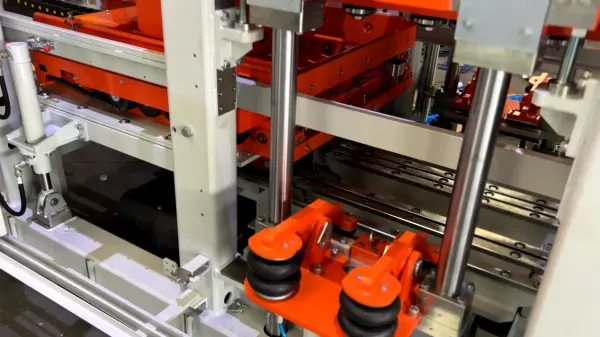
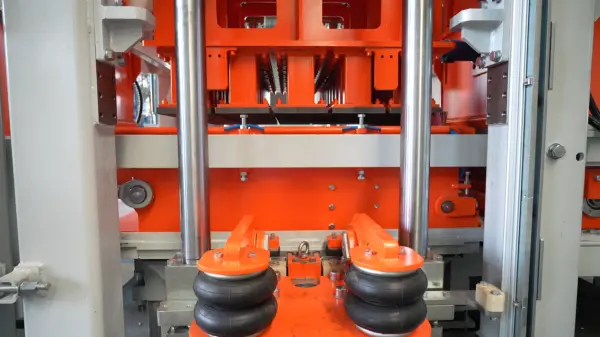
1.High-Rigidity Body: The machine body is manufactured using high-strength castings, thick-walled steel, and special welding processes. It has a low center of gravity, strong vibration resistance, and can maintain stable precision under long-term high-frequency vibration, with a service life of decades.
2. Pallet-free technology: Some of the latest models (such as pallet-free block making machines) adopt a three-bar upper and lower pressure one-time molding technology. After the brick blanks are formed, they can be directly stacked without the need for pallets, saving on pallet investment and maintenance costs.
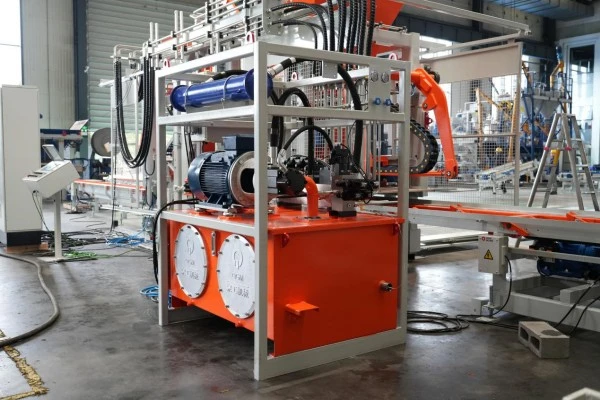
3. Modular design: The hydraulic system and vibration system are relatively independent, and key components are easy to inspect and replace, reducing downtime for maintenance.
If you have any enquiry about quotation or cooperation, please feel free to email or use the following inquiry form. Our sales representative will contact you within 24 hours.
We use cookies to offer you a better browsing experience, analyze site traffic and personalize content. By using this site, you agree to our use of cookies.Privacy Policy