News

What Does It Really Cost to Build a Concrete Block Manufacturing Plant?

2026-11-16 0 Leave me a message

Building a concrete block manufacturing plant involves more than purchasing a block making machine and paying the supplier's quoted price. The total investment depends on how the entire production operation is planned and configured, including factory site preparation, material handling systems, production equipment, moulds, curing facilities, installation, and the working capital required to start manufacturing.

One of the most common budgeting mistakes is focusing only on the main machine while overlooking the additional costs needed to operate a complete production line. An attractive equipment quotation may not cover every auxiliary component, site modification, or commissioning expense. These additional items can significantly affect the capital required before a factory is ready to produce saleable concrete blocks.

A more reliable way to estimate the cost to build a concrete block manufacturing plant is to identify the main investment categories, evaluate the requirements of the planned operation, and prepare a budget covering both installation and the initial production period.

1. Where Does the Investment in a Concrete Block Plant Go?

The total investment in a concrete block manufacturing plant generally involves three interconnected areas: preparing the production site, equipping the factory, and financing the period between installation and stable sales. Understanding these areas is essential when calculating the overall concrete block factory setup cost.

1.1 Preparing the Site for Production

The factory location influences more than land purchase or rental expenses. It also determines the amount of work required to prepare the site for machinery installation, raw material storage, and finished-product handling.

Depending on the project, site preparation costs may include:

  • Land purchase or factory lease.
  • Workshop construction or renovation.
  • Machine foundations and floor preparation.
  • Drainage and water supply systems.
  • Electrical connections and other utilities.
  • Internal roads and vehicle access.
  • Storage areas for raw materials, curing, and finished products.

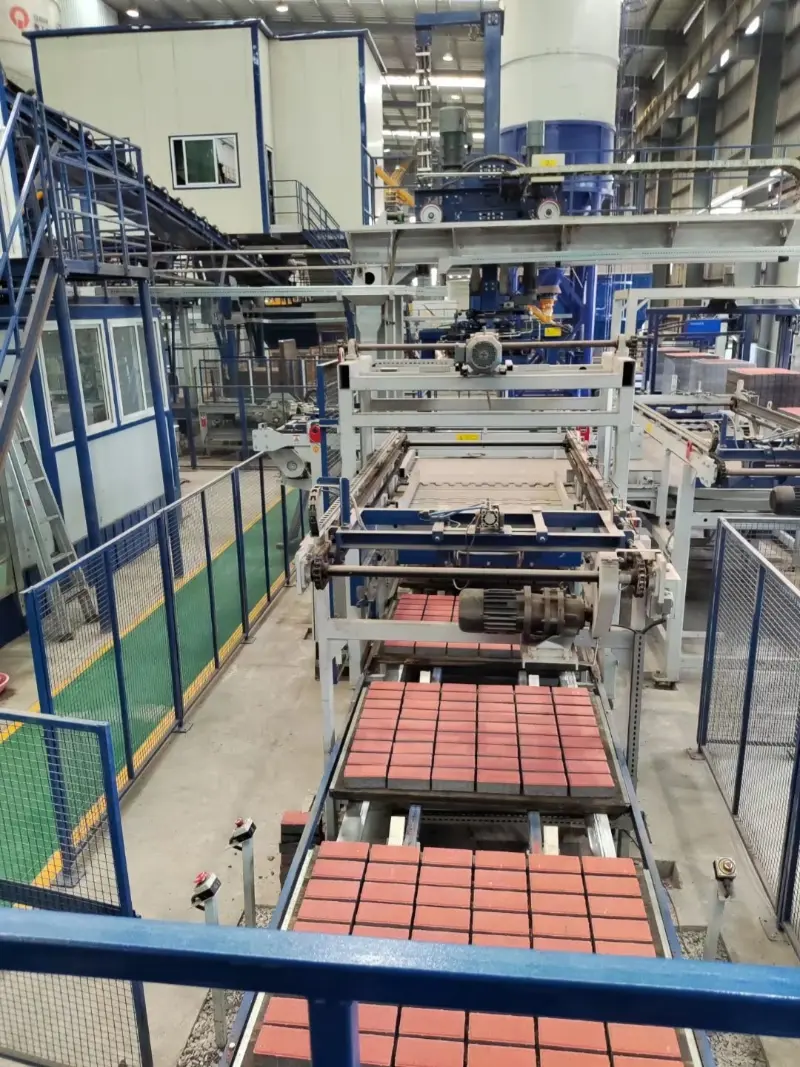
The factory layout should accommodate the entire production process rather than just the concrete block making machine. Cement and aggregates must reach the batching and mixing area, mixed concrete needs to be delivered to the forming machine, and newly formed blocks require suitable handling, curing, and storage arrangements.

A location that initially appears inexpensive may require substantial infrastructure investment. Conversely, an existing industrial facility may help reduce startup costs if its foundations, utilities, and available space are suitable for the planned production line.

Location also affects the transportation costs of cement, aggregates, equipment, and finished blocks. Therefore, site selection should consider raw material availability, access to target customers, and transportation requirements alongside the initial property cost.

1.2 Building a Production Line That Works as a Complete System

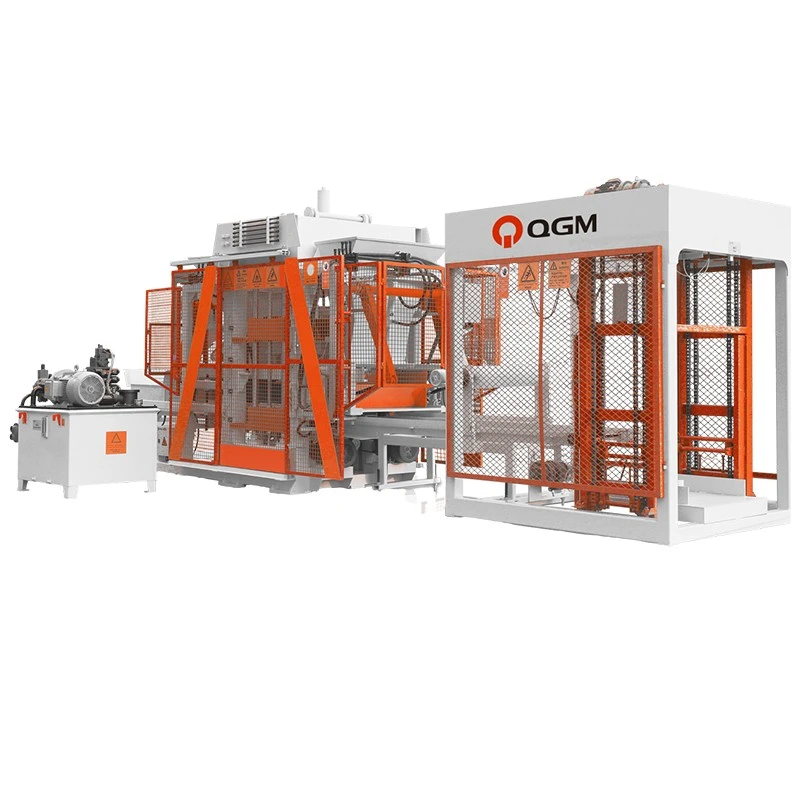
The equipment budget should reflect the requirements of the complete production line, not simply the purchase price of the main forming machine.

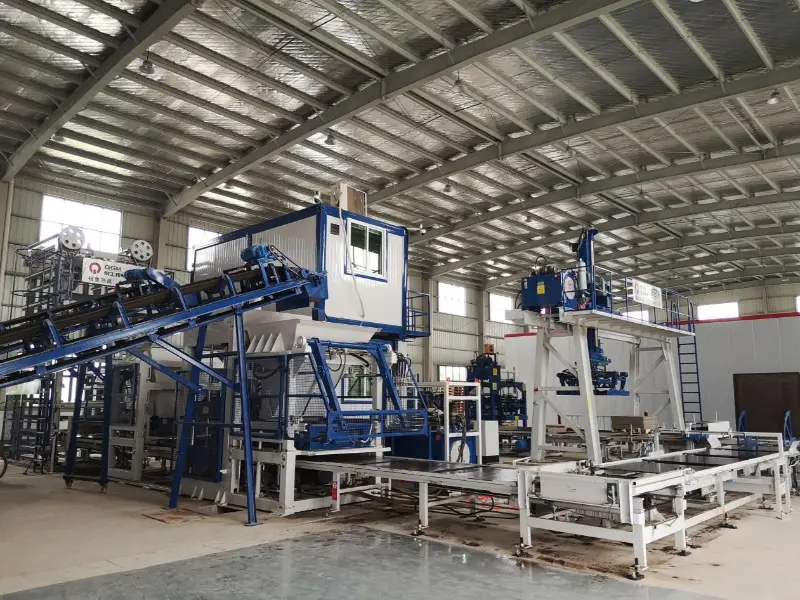
A concrete block manufacturing operation may require the following equipment and facilities:

  • A concrete block making machine.
  • Moulds for the intended product range.
  • Aggregate batching and concrete mixing systems.
  • Cement storage and feeding equipment.
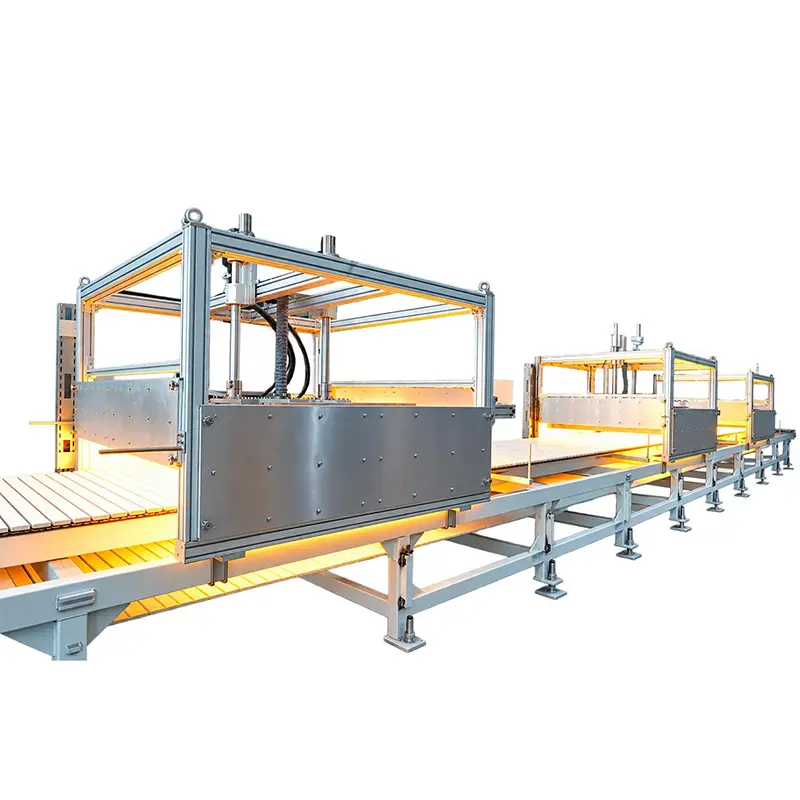
  • Conveyors and product-transfer systems.
  • Pallets and associated handling equipment, where required.
  • Curing facilities.
  • Stacking equipment and finished-product handling systems.

The exact configuration depends on the production method and required automation level. A smaller operation may use a relatively simple setup, while a higher-output plant may require coordinated material feeding, automatic transfer, stacking, and other integrated functions.

All these components need to operate at compatible production rates. If the mixing system cannot supply the forming machine consistently, or the downstream handling system cannot keep pace with production, the nominal capacity of the main machine may not translate into the expected factory output.

When evaluating the cost of an automatic concrete block production line, ask equipment suppliers to distinguish clearly between the main machine, auxiliary equipment, and the complete production line configuration. Confirm which components are included, which are optional, and which need to be purchased or installed separately.

For a better understanding of integrated equipment configurations, manufacturers can explore QGM's concrete block production line solutions.

1.3 Accounting for Moulds and Product Requirements

Mould selection is directly related to the types of concrete products the factory intends to manufacture and sell. Hollow blocks, paving blocks, curbstones, and other concrete products may require different mould designs and dimensions.

A business focused on one established product category may have very different mould requirements from a manufacturer serving several construction and landscaping markets. Each additional product type should be evaluated according to expected customer demand, production frequency, and the technical compatibility of the machine.

Mould costs should therefore be calculated based on a practical product plan. Purchasing a wide range of moulds before confirming market demand can tie up investment capital without generating corresponding sales.

Investors should also check mould-changing procedures, machine compatibility, and the time required to switch between different products. These factors influence how efficiently the factory can handle different customer orders.

1.4 Allowing for Installation, Commissioning, and Training

Equipment delivery does not automatically mean that production can begin. Before a factory is ready for routine operation, the equipment may require transportation, unloading, assembly, electrical connections, commissioning, and trial production.

Employees also need to learn how to operate the machinery, monitor production parameters, perform routine inspections, and follow maintenance procedures. Depending on the production line configuration, both mechanical and electrical training may be necessary.

Before signing a purchase agreement, clarify the scope of installation and commissioning services. For overseas projects, also confirm responsibility for travel expenses, local installation work, freight, import duties, and other costs that may not be included in the equipment quotation.

These expenses are generally easier to evaluate before a project begins than after the machinery has arrived and additional work becomes necessary.

1.5 Funding the Start of Operations

A concrete block manufacturing plant requires working capital in addition to its fixed-asset investment. During the initial operating period, the business needs sufficient funds to pay for raw materials, labor, utilities, maintenance supplies, and transportation while establishing a stable sales and payment cycle.

Typical operating expenses include cement, aggregates, water, admixtures where applicable, electricity, employee wages, and spare parts. Actual costs depend on local prices, production volume, product specifications, and operating practices.

Cash-flow timing is another important consideration. Finished concrete blocks may need to remain in curing or storage before delivery, and customers may not pay immediately after receiving their orders. Consequently, production expenses may need to be covered before the corresponding sales revenue is collected.

The initial investment for a concrete block manufacturing business should therefore include a working-capital reserve based on expected operating expenses, inventory requirements, and customer payment terms. There is no single reserve amount suitable for every manufacturing plant.

2. What Determines Whether the Project Budget Will Be Higher or Lower?

After identifying the main cost categories, the next step is to evaluate which project decisions will have the greatest influence on the total investment. Two concrete block factories with similar equipment quotations may require very different budgets because their product ranges, site conditions, and production targets are not necessarily the same.

2.1 Production Targets Determine the Required System Capacity

The planned production output influences the machine configuration and the supporting systems needed to maintain continuous operation. Batching, mixing, material feeding, curing, product transfer, and stacking should all be evaluated against the intended production volume.

A production target should be based on realistic market demand, available working hours, and actual operating conditions rather than the machine's headline capacity alone.

2.2 Automation Changes Both Equipment Requirements and Labor Arrangements

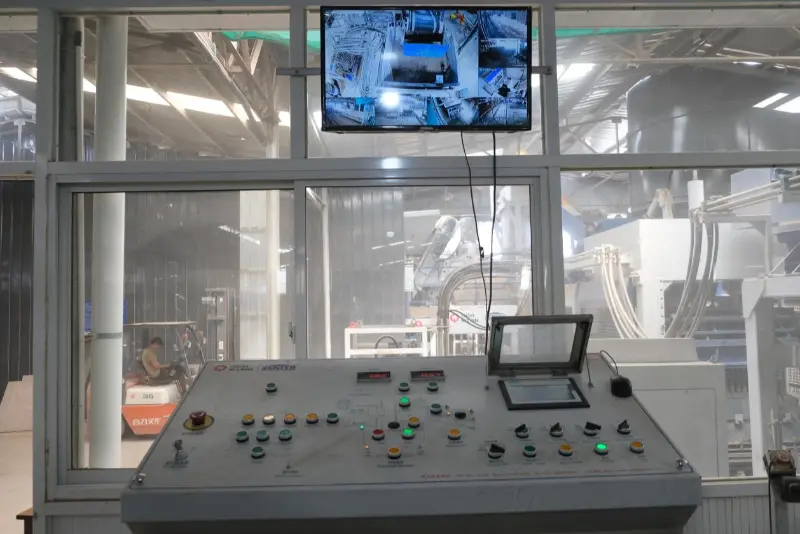
Automatic material handling and integrated control systems may require additional equipment and a more coordinated production line layout. They can also change the number and types of manual tasks involved in daily manufacturing.

Whether a higher level of automation is appropriate depends on factors such as local labor costs, expected equipment utilization, maintenance capabilities, and the required production consistency. Automation should be evaluated against the actual operating plan rather than treated as an automatic advantage at every production scale.

2.3 Product Diversity Affects Flexibility and Mould Investment

A factory manufacturing several types of concrete products may require more moulds and greater production flexibility than one focusing on a limited product range.

Investors should determine which products are essential when the factory begins operating and which can be introduced at a later stage. This allows the initial equipment configuration to match near-term demand while keeping future expansion possibilities in consideration.

2.4 Raw Materials Influence Plant Configuration

Cement, aggregates, and other mix constituents must be suitable for the intended concrete products. Their availability, consistency, and handling characteristics can influence storage capacity, feeding arrangements, and the mixing process.

When recycled aggregates or industrial by-products are considered, their suitability should be evaluated against the required product specifications and mix design. Depending on the material and intended application, additional testing or process adjustments may be necessary.

2.5 Site Conditions Can Create Hidden Project Expenses

Limited floor space, inadequate foundations, insufficient electrical capacity, or difficult equipment access can require modifications to the original project plan. Transportation distances and local installation arrangements may also affect the final investment.

These variables explain why online cost estimates are useful mainly as an initial reference. A project-specific assessment provides a more reliable basis for estimating the actual investment required to establish a concrete block factory.

3. How Can Investors Build a More Reliable Budget Before Buying Equipment?

A practical investment budget should be developed around the intended business operation. Instead of starting with a particular machine model and trying to fit the entire project around it, investors should first define the target market, expected output, and site requirements. The necessary equipment and services can then be selected according to these conditions.

3.1 Establish Which Products the Market Will Buy

Begin by identifying the main customer groups and concrete products the factory expects to supply. Research local construction demand, competing products, potential selling prices, and expected order volumes.

This information helps determine which moulds, machine capabilities, and product-handling arrangements are necessary for the initial operation. It also reduces the risk of investing in equipment for products that have no clearly established commercial demand.

A focused initial product range can simplify equipment selection and mould planning. Additional products can be evaluated when a clear business case develops.

3.2 Translate Sales Expectations Into a Production Plan

Estimate the production output required to meet expected orders, taking working hours, production schedules, and available labor into account.

Ask equipment suppliers to explain their production estimates using the actual product dimensions and intended operating conditions. Check whether the batching and mixing equipment, material supply, curing facilities, and product-handling systems can support the same production target.

When assessing the investment cost of an automatic concrete block production line, evaluate the capacity of the complete system. A machine's rated output should not be treated as a guarantee of finished-product output under every operating condition.

3.3 Match the Equipment Layout to the Actual Site

Before finalizing the equipment configuration, provide the supplier with available factory dimensions, floor conditions, utility information, and material-flow requirements.

This information helps determine where raw materials will be stored, how concrete will reach the forming machine, how newly formed blocks will be transferred, and where curing and finished-product storage will take place.

A practical factory layout can simplify material movement and maintenance access. It can also reduce the risk of costly modifications after the equipment has been delivered.

3.4 Compare the Scope of Supply, Not Just the Quoted Price

Request equipment quotations that clearly identify all included machinery and services. A meaningful comparison should cover the main machine, moulds, batching and mixing equipment, conveyors, handling systems, installation, commissioning, training, warranty, and spare-parts arrangements, where applicable.

Also clarify freight, taxes, import duties, and site preparation work when these expenses are not included in the quotation.

Different quotations should be compared on an equivalent basis. A lower purchase price may simply reflect a simpler equipment configuration or excluded components rather than a more economical solution for the intended production target.

3.5 Calculate Startup Cash Needs and Future Expansion Options

Estimate the expenses required during installation, trial production, and the initial sales period. Include initial raw material purchases, wages, utilities, maintenance supplies, and the expected time between production and customer payment.

It is also useful to consider possible future requirements, such as additional moulds, higher production output, or more automation. These options do not necessarily need to be purchased at the beginning. However, understanding available upgrade possibilities can help investors avoid selecting a configuration that is difficult or expensive to expand.

A sound investment budget should clearly distinguish between the equipment and services the factory needs immediately and those that may become useful as market demand grows.

4. How Can QGM Help Configure a Concrete Block Manufacturing Plant?

Once the investment priorities are clear, equipment selection becomes a process of matching actual production requirements with a suitable machine and production line configuration.

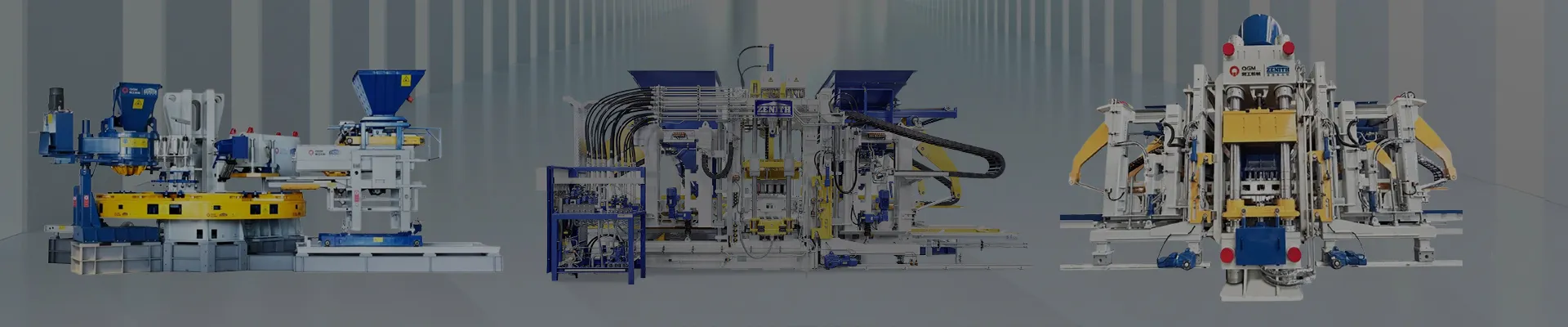
Founded in 1979, Quangong Machinery Co., Ltd. (QGM) manufactures concrete block making equipment and integrated production solutions. Its portfolio includes the ZN Series and T Series, German ZENITH equipment, moulds, and related production line systems.

QGM acquired full ownership of Germany's ZENITH in 2014 and established a German technology and R&D center. Its equipment portfolio serves different product ranges, production capacity requirements, and automation needs.

For new manufacturing projects, QGM can provide technical consultation and support related to factory layout, equipment configuration, installation, commissioning, and operator training. These services help investors evaluate how the proposed production line relates to the actual factory environment.

QGM also provides after-sales technical support and spare-parts services. Its Intelligent Equipment Cloud Service Platform supports online monitoring, remote fault diagnosis, and equipment-status assessment. AR-assisted maintenance can also help technical specialists communicate with customers when troubleshooting equipment issues.

The appropriate arrangement depends on each project. Before finalizing an investment, buyers should confirm the selected machine, production line configuration, scope of supply, production assumptions, and service arrangements.

Learn more about QGM's manufacturing background and technical capabilities on the QGM/Zenith company profile.

5. What Practical Benefits Should Investors Look for in an Equipment Solution?

The value of a concrete block production line depends on how effectively it supports the factory's intended products and operating conditions. Several aspects deserve particular attention during equipment evaluation.

5.1 Equipment That Matches the Planned Product Range

The QGM ZN Series concrete block making machines draw on German ZENITH engineering experience. Depending on the selected model and configuration, technologies such as servo vibration and intelligent control can support the production of hollow blocks, paving blocks, curbstones, and other concrete products.

Investors should confirm mould compatibility, machine capabilities, and product requirements before selecting an equipment configuration. A solution designed around the actual product range is more relevant than one chosen solely on the basis of a model name or general specification.

Explore QGM's concrete block making machines to understand the available equipment options for different manufacturing requirements.

5.2 A Production Layout Planned Around Material Flow

Factory layout consultation helps address available space, equipment positioning, material movement, and downstream handling before installation. This provides a basis for checking whether the proposed production line fits the site and whether its main production stages can operate together effectively.

The objective is to identify potential layout constraints early rather than discovering them after equipment delivery.

5.3 Commissioning and Training for Production Readiness

Installation and commissioning help prepare the machinery for operation, while operator training familiarizes employees with machine controls, production procedures, and routine inspections.

The scope and timing of these services should be agreed upon in advance. For overseas buyers, it is also important to understand which tasks are handled by the supplier and which require local personnel.

5.4 Technical Support and Maintenance Planning

Spare-parts availability and access to technical assistance can influence how equipment issues are handled after production begins. QGM's cloud service platform and AR-assisted maintenance provide additional remote-support options for suitable situations.

These tools do not eliminate the need for routine inspections or on-site maintenance when required. Their practical value depends on the nature of the issue, the equipment configuration, and the agreed service arrangements.

For this reason, buyers should discuss warranty conditions, technical support channels, response arrangements, and the availability of on-site assistance as part of the purchasing process.

6. Build the Investment Plan Around Your Actual Production Requirements

The cost to set up a concrete block manufacturing plant is determined by the complete project, including site preparation, production machinery, auxiliary systems, moulds, installation, training, initial raw materials, and working capital. Production targets, product diversity, automation requirements, and local operating conditions all influence the final budget.

Before committing to an equipment purchase, define the concrete products you intend to manufacture, estimate realistic market demand, assess the factory site, and compare supplier quotations with clearly stated scopes of supply. This approach helps identify overlooked expenses and provides a more practical foundation for planning the startup period.

If you are planning a new concrete block factory or expanding an existing operation, contact QGM to discuss your target products, expected output, raw materials, and site conditions. These details can help establish a suitable equipment configuration and clarify the main investment items that should be included in your project budget.

Frequently Asked Questions About Concrete Block Factory Setup Costs

1. What costs should be included in a concrete block manufacturing plant budget?

A complete budget should account for land or lease expenses, factory construction, site preparation, production machinery, moulds, auxiliary equipment, installation, commissioning, training, initial raw materials, utilities, and working capital. Depending on the location, transportation, duties, permits, and infrastructure upgrades may also need to be included.

2. How much does it cost to start a concrete block manufacturing business?

There is no universal price for every project. The total investment depends on the country, site conditions, production capacity, product range, automation level, and equipment scope. A reliable estimate requires a project-specific equipment quotation together with an assessment of local construction and operating costs.

3. Is the concrete block making machine the main cost of a new factory?

The concrete block making machine can represent a major part of the investment, but it is only one component of the overall project. Batching and mixing systems, moulds, curing and handling arrangements, site preparation, installation, and working capital also contribute to the total cost. The relative share of each category varies from one project to another.

4. How should a concrete block factory calculate its working capital?

Working capital should cover expected material purchases, labor, utilities, maintenance, and other operating expenses while production and sales are becoming established. The calculation should reflect local prices, planned output, inventory requirements, customer payment terms, and the expected time before cash receipts become regular.

5. How can investors control startup costs without choosing unsuitable equipment?

Start with a clear product and market plan, establish a realistic production target, and select equipment that matches those requirements. Compare complete quotations, check which components and services are included, and avoid investing in functions that the initial operation does not need. At the same time, evaluate essential auxiliary equipment, maintenance support, and future upgrade options before making the final decision.

Related News
Leave me a message
X
We use cookies to offer you a better browsing experience, analyze site traffic and personalize content. By using this site, you agree to our use of cookies. Privacy Policy
RejectAccept