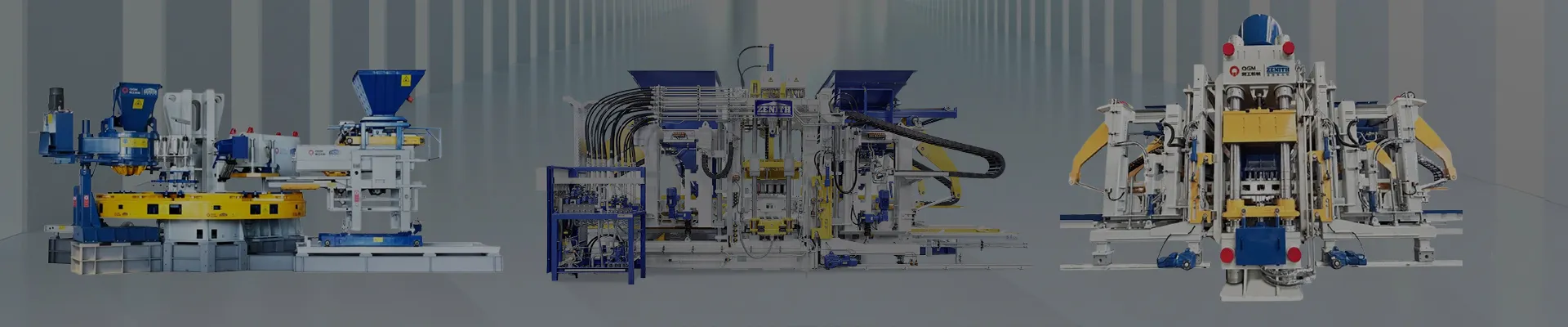
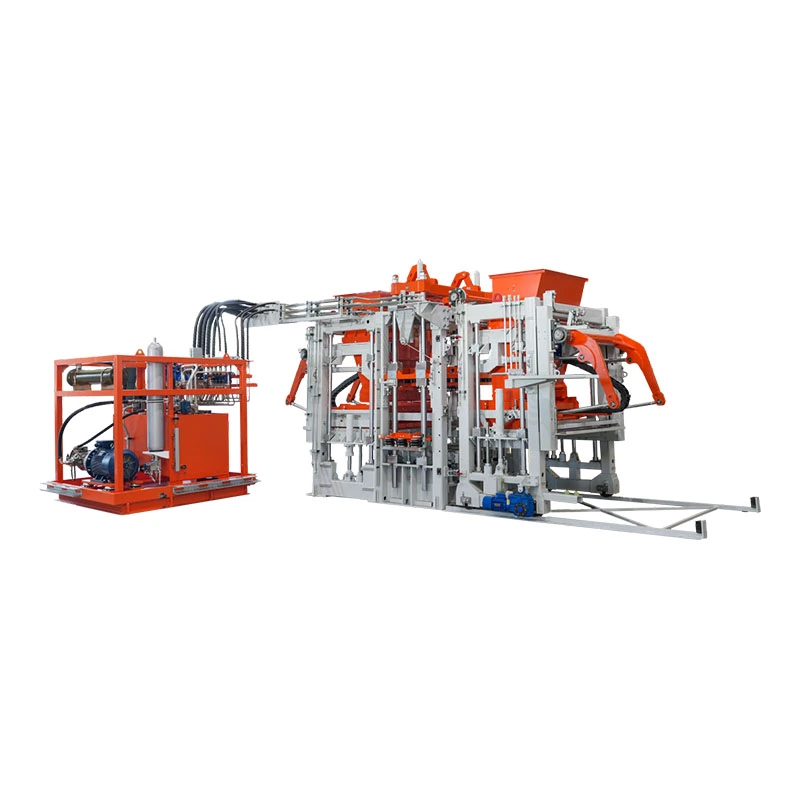
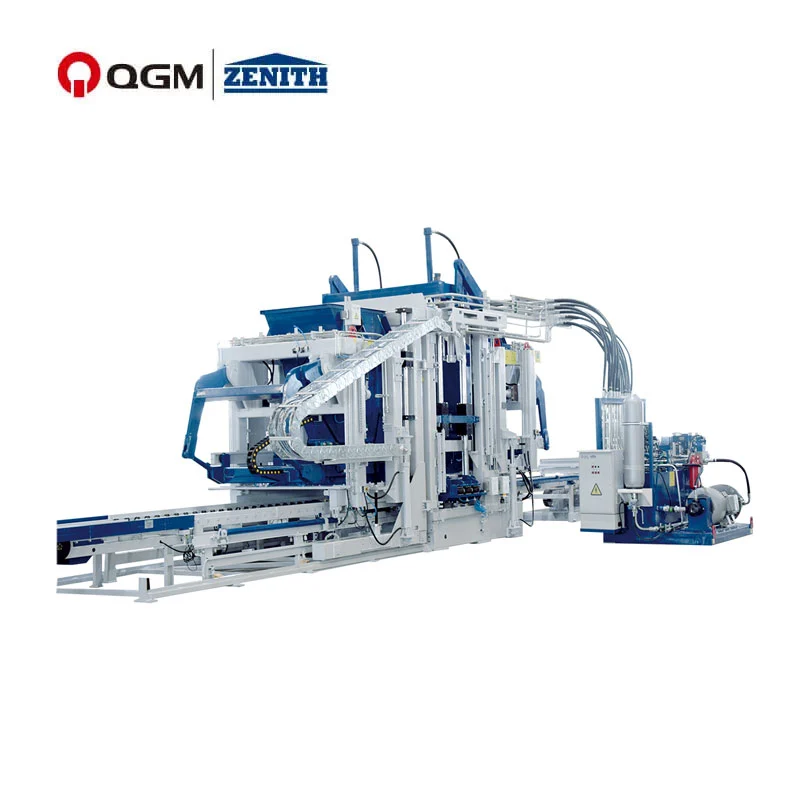
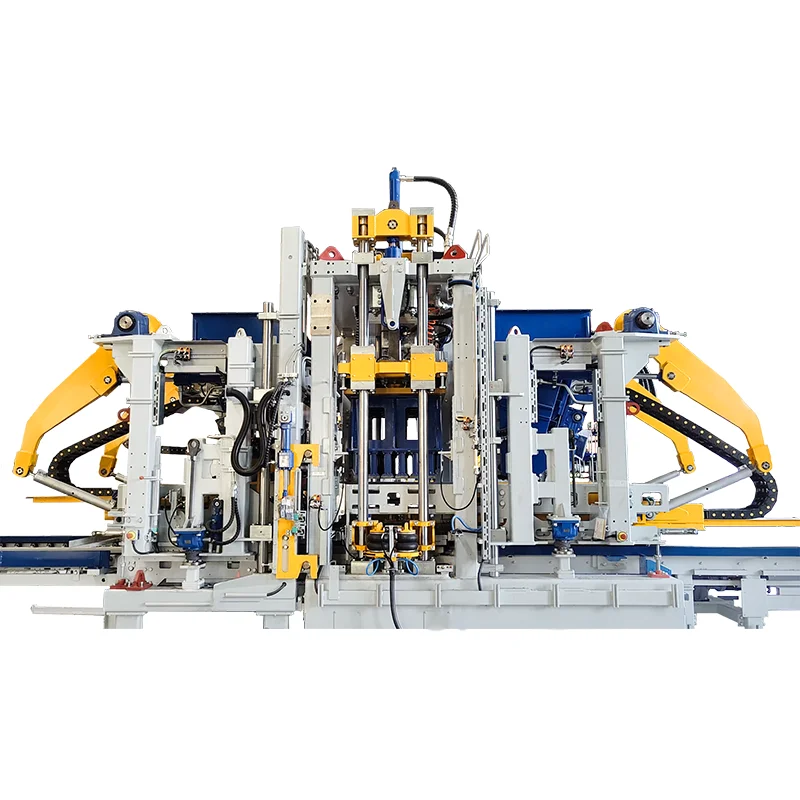
automatic fly ash bricks machine
Advanced Automation in Brick Production
Modern construction demands efficiency and precision, which is why our fully integrated system stands out as a robust Block Machine engineered for high-volume fly ash brick manufacturing. This solution combines reliable block machine equipment with intelligent control to deliver consistent block quality while reducing manual intervention. Designed to function as comprehensive block equipment, every unit is built with heavy-duty frames and energy-efficient hydraulics that withstand continuous operation. The entire line operates as a seamless Block equipment machine network, from raw material batching to finished product stacking, ensuring a smooth production workflow that meets today's strict quality standards.
The core advantage of choosing an automatic fly ash bricks machine lies in its ability to turn industrial waste into high-strength building materials without sacrificing output speed. Our automatic fly ash bricks machine uses a synchronized pressing and feeding mechanism that compacts fly ash, sand, and cement under controlled pressure to form dense, uniform bricks. With real-time diagnostics and parameter memory, this automatic fly ash bricks machine reduces operator training time and minimizes rejects, making it ideal for both medium-scale plants and large infrastructure projects where consistency is non-negotiable.
Technical Parameters at a Glance
Each system is configured to match your capacity requirements. The following table outlines key specifications for our standard models:
| Parameter |
Model AFB-1500 |
Model AFB-3000 |
| Production Capacity |
1,500 bricks per hour |
3,000 bricks per hour |
| Molding Method |
Hydraulic pressing with vibration |
Dual hydraulic cylinder pressing |
| Installed Power |
45 kW |
78 kW |
| Pallet Size |
1100×550 mm |
1400×650 mm |
| Cycle Time per Mold |
18–22 seconds |
12–16 seconds |
| Hydraulic Pressure |
21 MPa |
25 MPa |
| Control System |
PLC with HMI touchscreen |
PLC with IoT-ready interface |
| Machine Weight |
8,200 kg |
12,500 kg |
Key Operational Features
- Automatic material feeding – belt conveyors and weighing hoppers maintain consistent mix ratios without manual adjustment.
- Servo-motor driven mold vibration – provides adjustable frequency for different brick thicknesses and shapes.
- Quick-change mold system – swap between solid bricks, hollow blocks, and pavers in under 30 minutes.
- Energy recovery hydraulics – reduces power consumption by up to 18% during return strokes.
- Stacker and cubing unit – automatic handling of green bricks onto curing racks, eliminating forklift congestion.
- Dust extraction ports – standard connections for plant-wide dust collection, ensuring a cleaner workplace.
- Remote troubleshooting – Ethernet-based diagnostics allow engineers to access the control panel from anywhere.
- Safety interlocks – light curtains and emergency stops on all access points meet CE and ISO 13849 standards.
Material Handling Integration
Fly ash, sand, and cement are stored in separate silos and transported via screw conveyors to the compulsory twin-shaft mixer. The mixing cycle is precisely timed to deliver a homogeneous blend every 60 seconds. From the mixer, the prepared material enters the machine’s hopper, where level sensors trigger automatic refilling. This closed-loop material flow eliminates spillage and reduces waste to less than 0.5% of total input. All components, from the silo discharge valve to the block ejection pusher, are synchronized through a central PLC, giving operators full visibility over inventory levels and machine performance on a single dashboard.