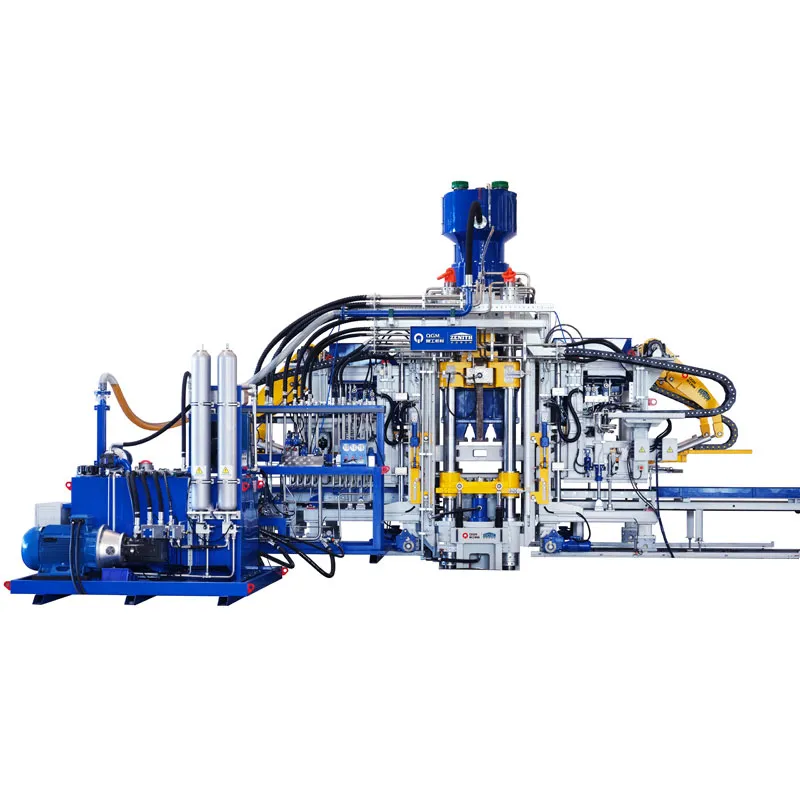
brick building machine
Our comprehensive range of block and brick production equipment is engineered to meet the demands of modern construction projects, delivering consistent output with minimal manual intervention. At the core of our lineup is the brick machine automatic series, which combines vibration and hydraulic compression to form dense, dimensionally accurate units. For operations looking to upgrade from semi-automatic systems, the auto brick machine models integrate material feeding, mixing, molding, and cube delivery into one streamlined process. Where cement-based products are the priority, our automatic cement brick machine variants offer precise dosage control for raw materials, ensuring every block meets strength and water absorption standards. Beyond dedicated brick lines, the broader brick making machine family includes interlocking, paver, and hollow block configurations, all built on a modular platform that simplifies maintenance and future scaling. Each system relies on heavy-duty steel frames, hardened mold boxes, and programmable logic controllers to repeat cycles accurately shift after shift. The following technical specifications provide a detailed look at a representative model from this range.
- Maximum forming pressure: 21 MPa, distributed evenly across the pallet surface
- Vibration frequency: 2,800–3,200 r/min with dual synchronous motors
- Cycle time: as fast as 12 seconds per board for standard solid bricks
- Pallet size: 850 × 550 × 20 mm hardwood or reinforced plastic
- Hydraulic station: 11 kW power unit, 40 L/min flow rate, working pressure 16 MPa
- Hopper capacity: 1.4 m³, fitted with a rotary distributor and level sensor
- Control system: Siemens S7-1200 PLC with 7-inch color touchscreen, multi-language interface
- Total installed power: 31.5 kW, suitable for 380 V / 50 Hz three-phase supply
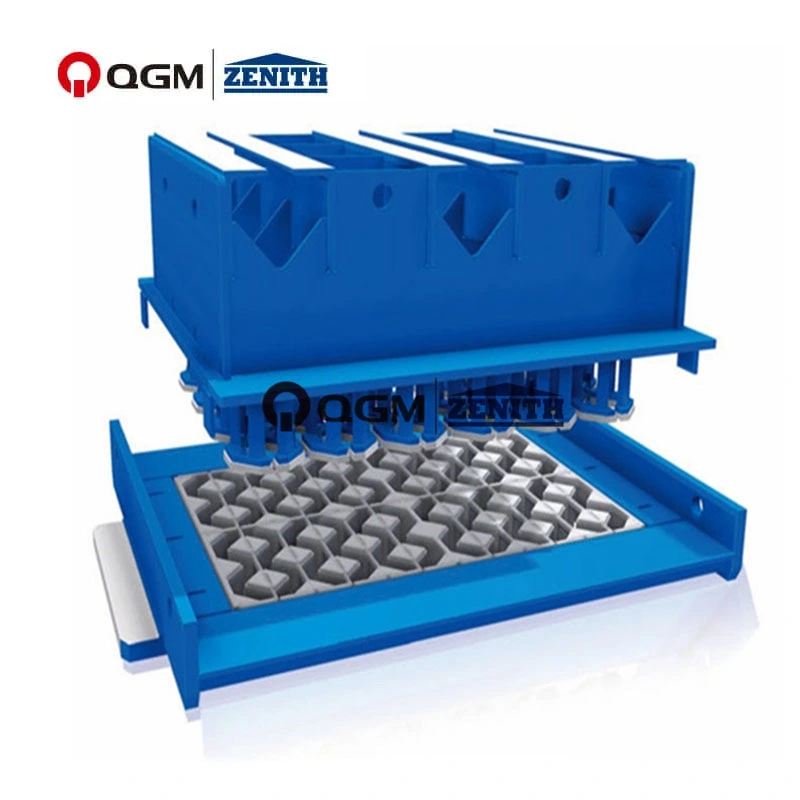
- Mold change duration: under 15 minutes with quick-release clamps and alignment pins
- Sound pressure level: ≤ 82 dB(A) at operator position
| Parameter | Value | Unit |
|---|
| Daily output (standard bricks) | 28,000–36,000 | pieces / 8 h |
| Block types per mold set | up to 4 | designs |
| Pallet weight tolerance | ± 1.5 | kg |
| Oil tank volume | 180 | L |
| Conveyor belt width | 600 | mm |
| Stacker lifting height | 1,200 | mm |
| Water dosing accuracy | ± 0.5 | % |
| Overall dimensions (L×W×H) | 6,200 × 2,100 × 2,900 | mm |
| Machine weight | 4,800 | kg |
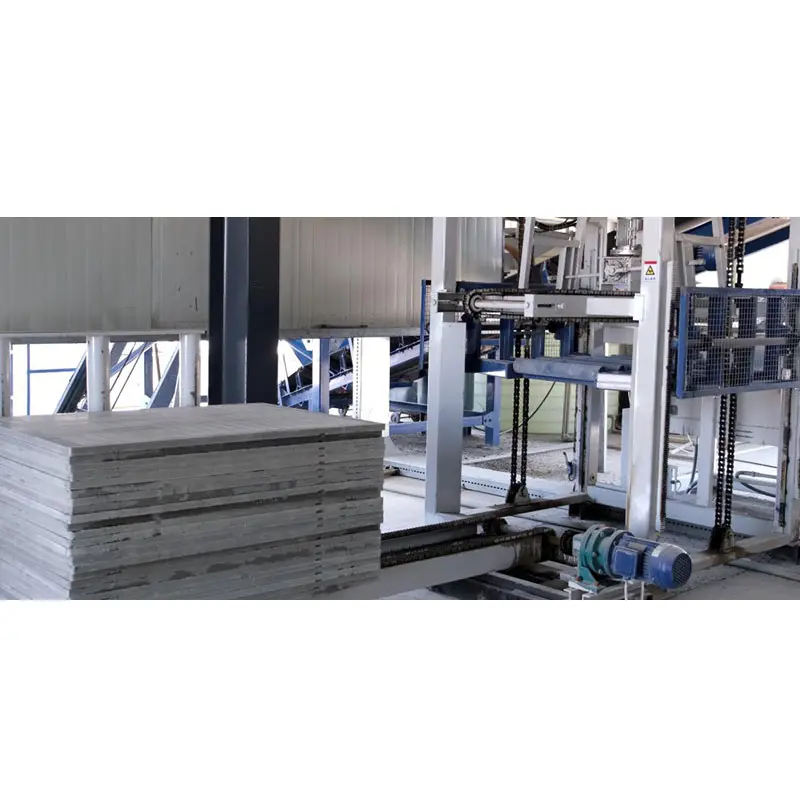
The brick building machine is designed around a welded box-section chassis that absorbs vibration without transmitting stress to the foundation. Raw materials—cement, sand, aggregate—are batched through a twin-shaft compulsory mixer mounted directly above the press, cutting transfer time and preventing segregation. From the mixer discharge door, the mixture falls into a traveling hopper that spreads it across the mold in a single pass, guided by linear rails and a servo motor. The filling depth is adjustable in 0.1 mm increments from the touchscreen, allowing rapid changeover between solid bricks (70 mm height) and hollow blocks (190 mm height). Once filled, a pre-vibration phase settles the material before the upper ram descends. The hydraulic compression sequence applies progressive load, holding the peak pressure for a user-defined dwell period to eliminate air pockets and ensure uniform density. After demolding, the fresh green products are transported by a rubber belt conveyor equipped with automatic brush cleaning and a water spray system that conditions the pallet for the next cycle. An inline elevator-stacker then picks up the loaded boards and places them onto curing racks without manual handling. Built-in sensors monitor hydraulic temperature, oil level, motor current, and proximity switch states; diagnostic codes are displayed on the screen, and the machine can be locked out until the fault is resolved. Standard safety features include polycarbonate guarding on all moving parts, emergency stop buttons at three sides, and a light curtain over the loading station. With a floor footprint of just 13 square meters excluding the rack area, the brick building machine fits comfortably within existing production sheds and can be relocated on castors when layout changes are needed. The combination of rapid mold exchange, digital dosing, and self-diagnosis makes this platform an effective foundation for high-volume, low-waste block manufacturing.