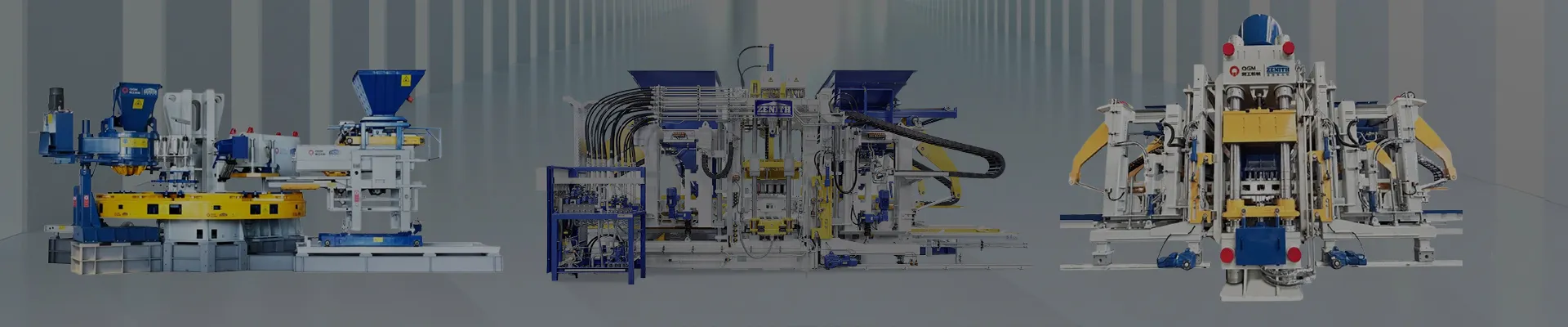
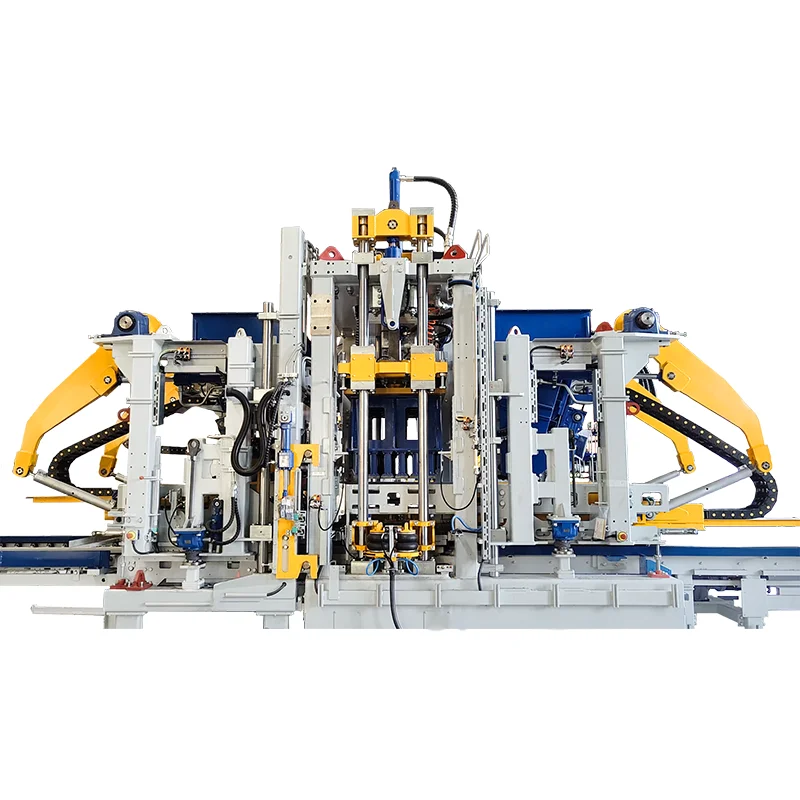
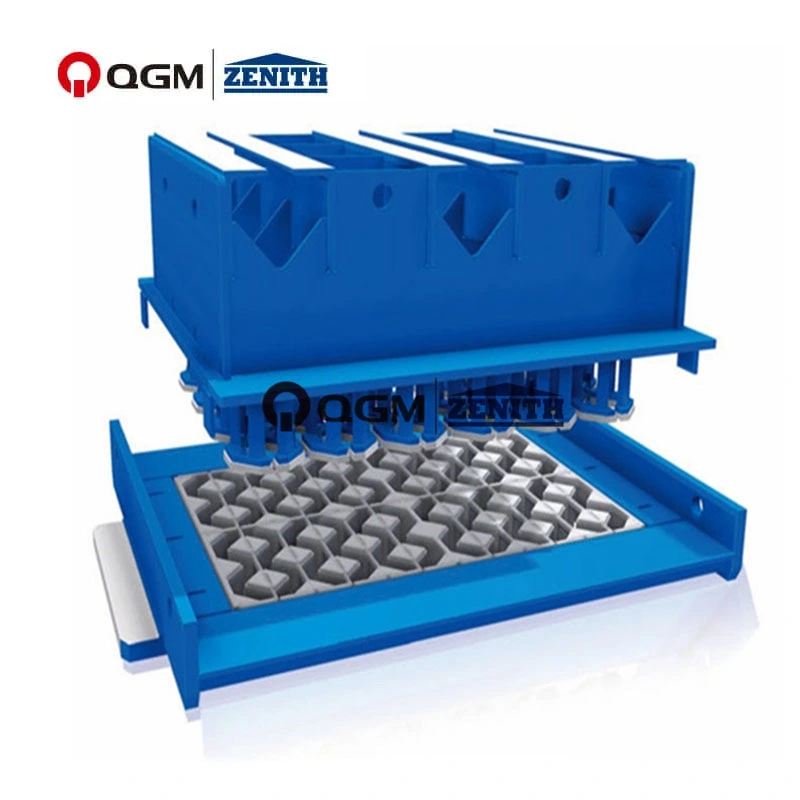
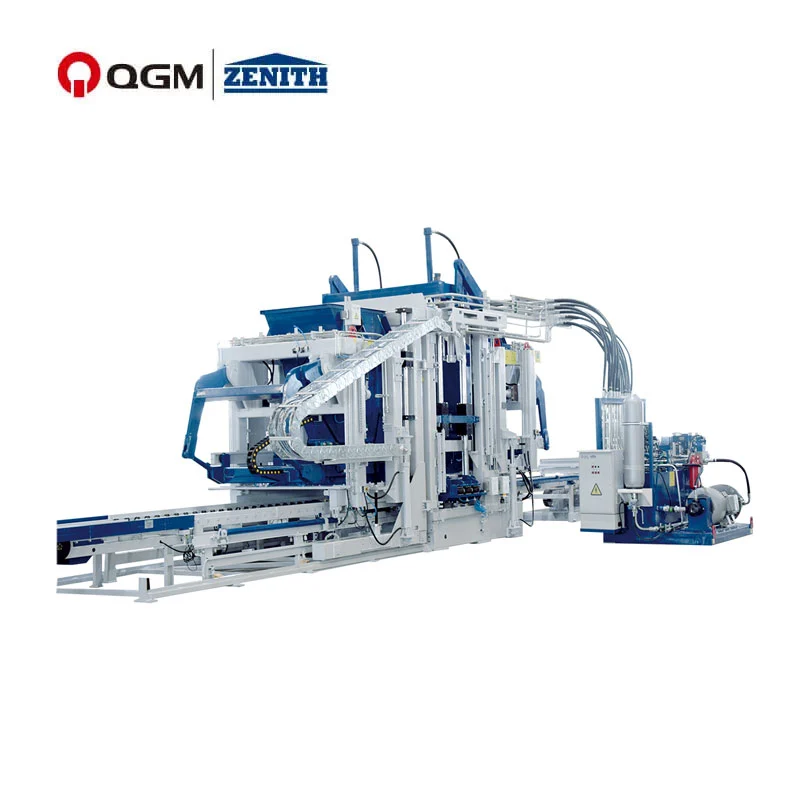
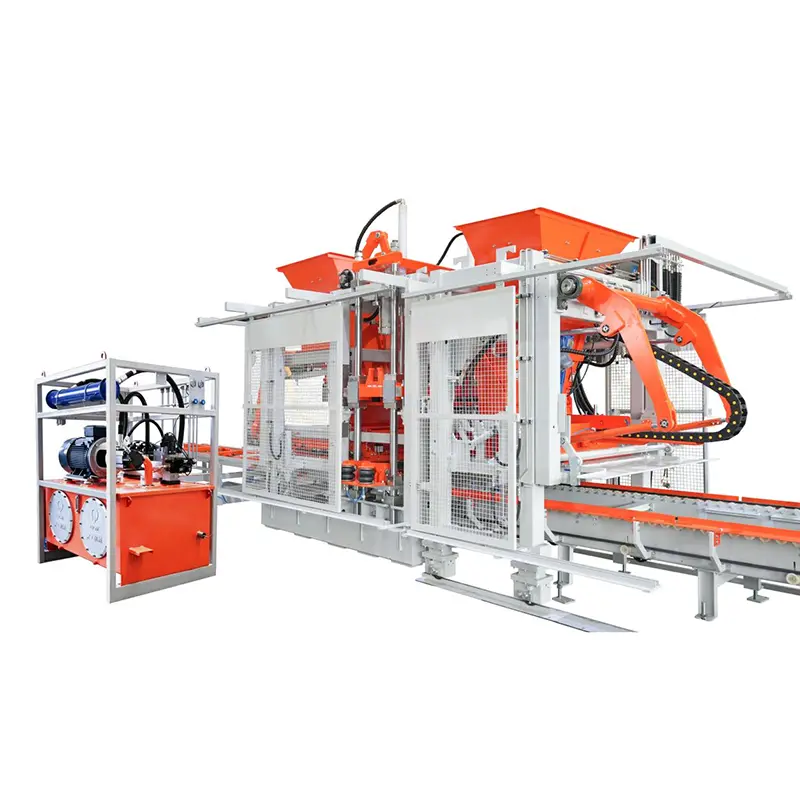
For modern construction projects demanding high structural integrity, a hydraulic interlocking brick making machine stands as a cornerstone of efficiency. This equipment belongs to a broader category of advanced concrete bricks machinery, integrating robust hydraulic systems to produce uniform, soil-cement blocks with precise interlocking profiles. Unlike traditional methods, it shares design principles with a Cement Permeable Brick Machine, yet focuses on high-compression forming that eliminates the need for mortar in many applications. The engineering behind this unit mirrors the reliability found in comprehensive Cement Permeable Brick Machinery, while its dedicated hydraulic interlocking brick making machinery core ensures rapid cycling and consistent density. Below are key technical specifications and standard features that define its professional-grade output.
| Parameter | Specification |
|---|---|
| Molding Pressure | 200–300 tons (hydraulic, adjustable) |
| Production Capacity | 1,800–3,600 bricks per shift (standard interlocking shape) |
| Brick Dimensions (L x W x H) | 220 x 110 x 75 mm / 200 x 100 x 60 mm (customizable molds) |
| Interlocking Accuracy | ±0.5 mm |
| Main Motor Power | 18.5–22 kW, 3-phase electric |
| Hydraulic System Pressure | 21–25 MPa (dual-pump configuration) |
| Mold Material | Hardened alloy steel with heat treatment |
| Cycle Time | 12–15 seconds per molding cycle |
| Machine Weight | Approximately 4,200–5,500 kg |
| Paving/Brick Types Supported | Interlocking paver, hollow block, solid brick, curbstone |
The hydraulic interlocking brick making machine delivers exceptional versatility for road paving, landscaping retaining walls, and low-cost housing. By generating pressing forces that exceed 25 MPa on the brick face, it creates mechanical locks that stabilize vertical and lateral loads without reliance on cement mortar joints. This hydraulic interlocking brick making machine accepts a wide range of raw materials — soil, crushed stone dust, fly ash, and cement — reducing overall construction costs while meeting ASTM and EN compressive strength requirements. Its rigid frame absorbs vibration, and the die alignment system guarantees consistent product geometry even after thousands of cycles. Operators benefit from ergonomic design with emergency stops and proximity sensors for safe production. On-site trials routinely demonstrate a payback period under 12 months for medium-scale producers, with minimal skill needed to switch between interlocking paver production and standard brick fabrication, making this hydraulic interlocking brick making machine a future-proof investment for concrete product manufacturers.