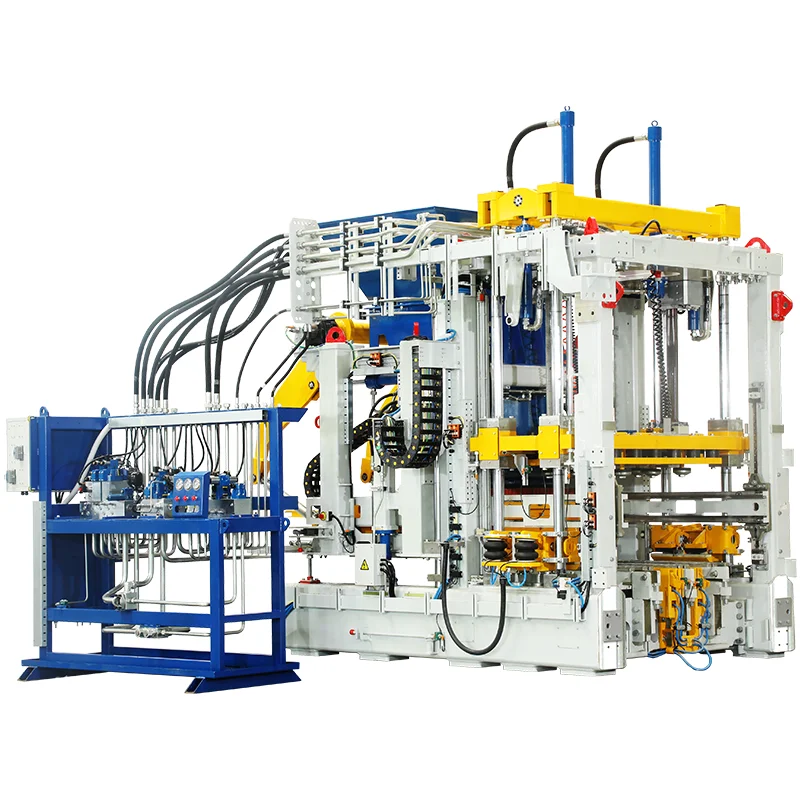
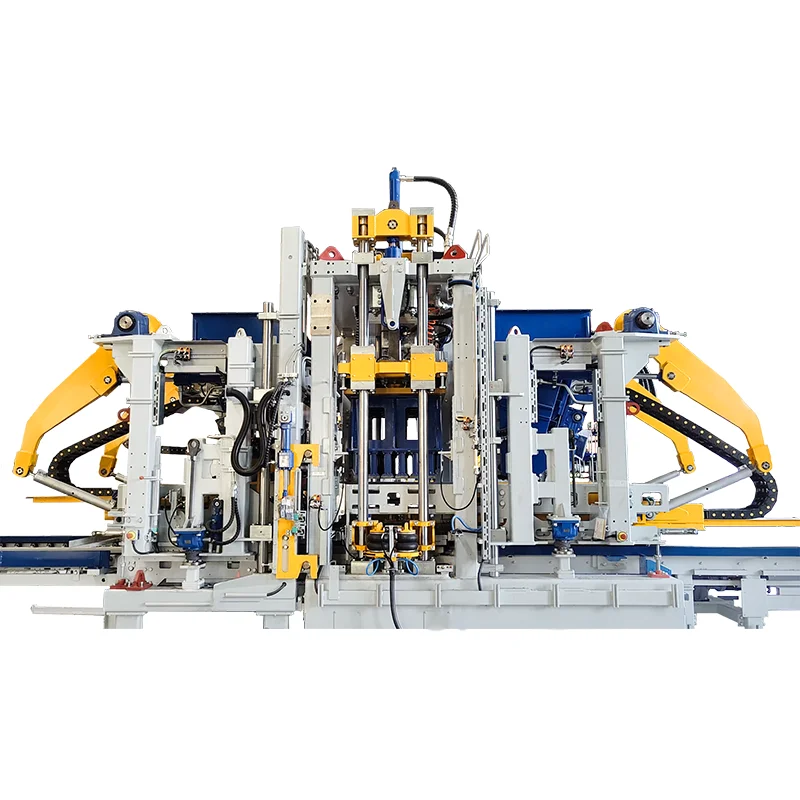
concrete bricks machinery
Investing in premium concrete bricks machinery transforms raw materials into precision-molded units that meet stringent building standards. From landscaping to large-scale infrastructure, the right equipment minimizes waste and maximizes output. In the permeable paving sector, we provide the advanced Cement Permeable Brick Machine, which produces eco-friendly drainage bricks with consistent porosity. For high-volume operations, our heavy-duty Cement Permeable Brick Machinery integrates automated batching and stacking. When interlocking strength is critical, the robust hydraulic interlocking brick making machine utilizes dual-axis vibration and intense hydraulic compression to deliver blocks that lock without mortar. This technology is further refined in our large-capacity hydraulic interlocking brick making machinery, which features servo-controlled pressure regulation and rapid mold change systems. Whether you need a single pallet machine or a fully automatic production line, understanding the core parameters of concrete bricks machinery is essential for achieving optimal compression ratio, surface finish, and daily output. Our engineers continuously improve mold designs to accommodate various block shapes, including hollow, solid, and paver blocks, ensuring your investment yields units with uniform density and excellent compressive strength for residential, commercial, and municipal projects.
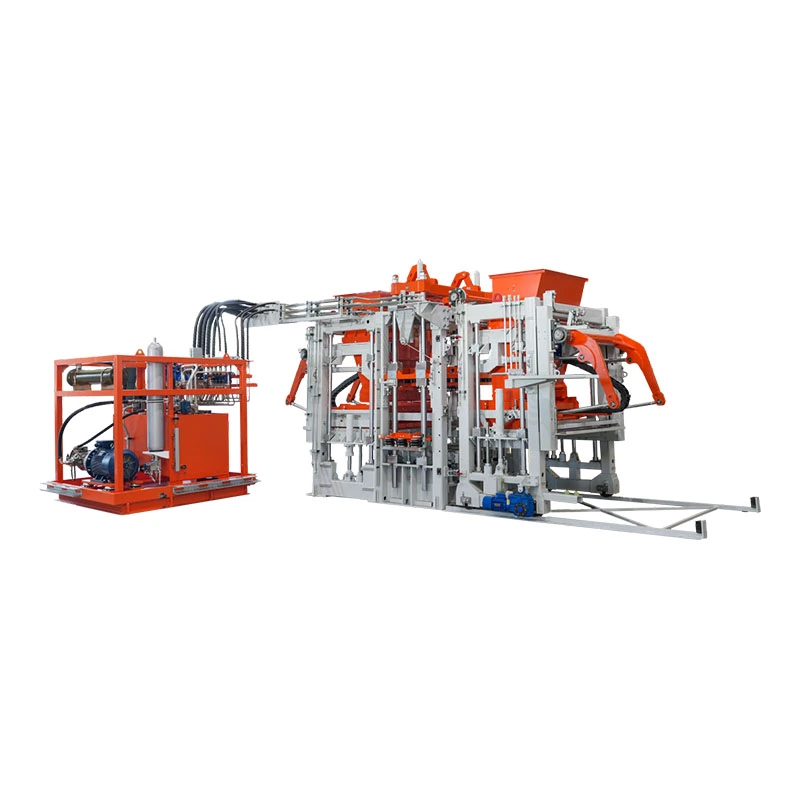
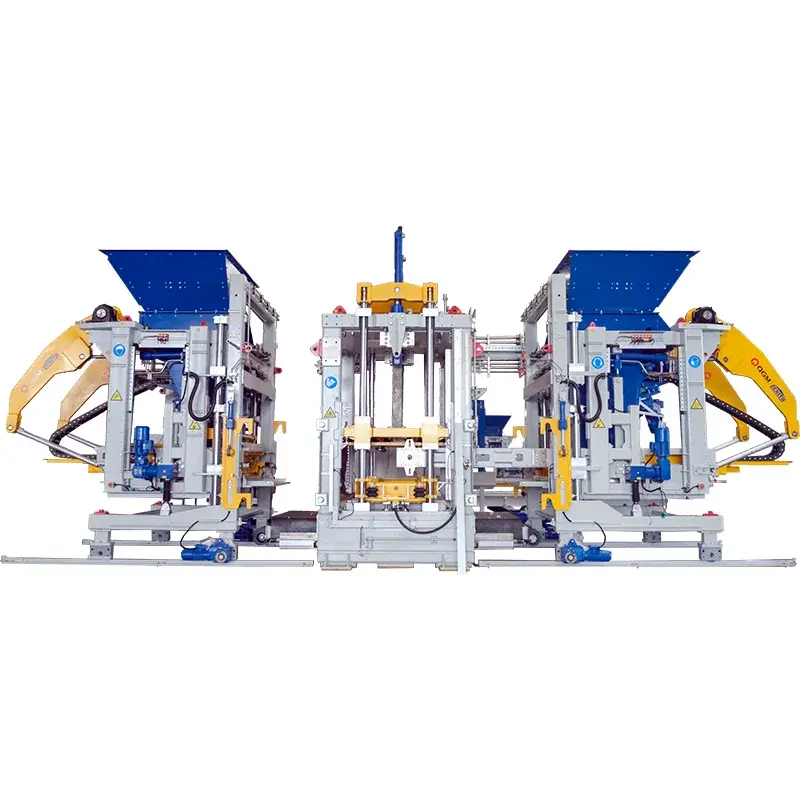
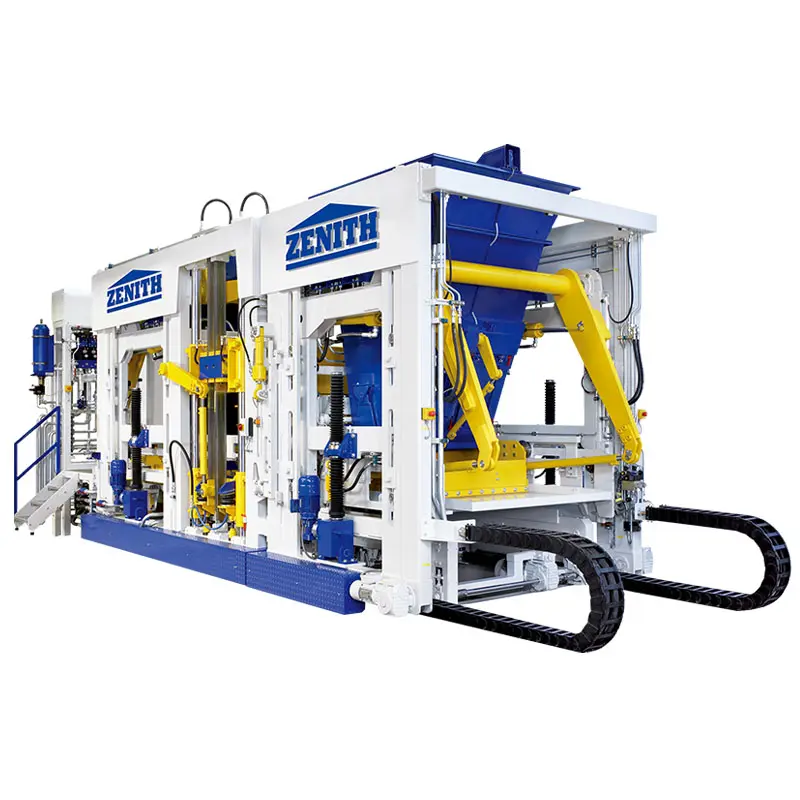
Our concrete bricks machinery combines precision engineering with rugged construction to deliver reliable performance shift after shift. The integrated heavy-duty welded frame absorbs vibration and reduces wear on connected components, while the hydraulic power unit uses a vane pump and accumulator to maintain steady pressure during compaction, eliminating block height variation. For plants aiming at sustainable production, the machines can incorporate fly ash, crushed stone, and recycled aggregates, turning low-cost materials into high-value bricks. The control system stores over 50 mold configurations, allowing operators to switch between hollow blocks, solid bricks, and paving stones within minutes. Optional automatic cubers and splitting machines add downstream efficiency, and the PLC generates service reminders based on cycle count.
Key System Features:
- High-frequency vibration table with adjustable amplitude (3,500–4,500 rpm) ensures uniform compaction of low-slump concrete, reducing air voids and enhancing block strength.
- Hydraulic cylinder with chrome-plated rods and reliable sealing eliminates oil leakage even under continuous stamping cycles.
- Intelligent PLC control with touch-screen HMI for recipe management tracks production data and alerts operators to any deviation in cycle time or pressure.
- Quick-change mold cartridges for hollow blocks, pavers, and interlocking stones minimize downtime and allow a single machine to handle multiple product lines.
| Specification | QT4-15 | QT6-15 | QT10-15 |
|---|
| Molding Cycle (s) | 15 – 18 | 13 – 16 | 12 – 15 |
| Pallet Size (mm) | 680×535 | 850×550 | 1,100×550 |
| Hydraulic Pressure (MPa) | 16 – 20 | 18 – 22 | 20 – 25 |
| Vibration Force (kN) | 45 – 55 | 60 – 75 | 85 – 100 |
| Installed Power (kW) | 21.5 | 28.7 | 36.8 |
| Block Production (pcs/hour)* | 4,000 – 5,000 | 5,500 – 7,200 | 8,000 – 9,600 |
| Machine Weight (t) | 4.8 | 6.5 | 9.2 |
*Based on 390×190×190 mm hollow blocks.
Typical raw material ratios for a standard mix include 10%–15% cement, 40%–50% coarse sand, and the balance in stone chips or slag, all processed through the integrated batching system that communicates directly with the machine’s PLC. Daily maintenance is straightforward – lubrication points are centralized, and wear-resistant Hardox plates line the hopper to extend service life even with abrasive aggregates. For interlocking projects, the rapid mold change system supports various patterns such as rectangular, I-shape, and zigzag, with no curing required after pressing. To achieve architectural finishes, a face mix hopper with secondary compaction station applies a color layer simultaneously during the pressing cycle. The dual-zone system produces blocks with consistent color depth, and the pigment feeder integrates with the PLC for precise dosing. Quality checks are built into the process: an onboard laser sensor verifies block height after pressing, and the system automatically adjusts fill time to compensate for material density changes. Our concrete bricks machinery meets CE and ISO 9001 standards, and clients receive a complete set of foundation drawings for installation. For extreme weather conditions, optional heating jackets maintain oil viscosity, ensuring reliable start-up in cold climates. The reinforced vibration motor mount reduces resonance transmission, protecting both the machine structure and the operator environment. Many operators appreciate the remote diagnostic module, which allows our technicians to view real-time parameters and assist with adjustments without on-site visits. Each mold is heat-treated and surface-ground to maintain dimensional accuracy within ±0.5 mm across production runs of 500,000 cycles. Operators can request mold samples for testing before shipment to confirm product specifications, and the machines are shipped fully tested with training support that guides your staff from installation to first production within 72 hours.