China semi automatic cement brick making machine Manufacturer, Supplier, Factory
Our semi automatic cement brick making machine delivers a balanced blend of automation and manual control, giving you dependable output without the complexity or high upfront cost of fully automatic lines. It is built to work seamlessly alongside complementary small brick machinery and can be part of a wider Cement Brick Making Machine setup that grows with your business. Designed as a core piece of Cement Brick Making Machinery, it adapts to multiple mold configurations and raw material mixes. Many operators pair it with auxiliary Cement Brick Making Machine equipment such as mixers, conveyors, and cube testers to form a complete production cell that maintains consistent block quality across every shift.
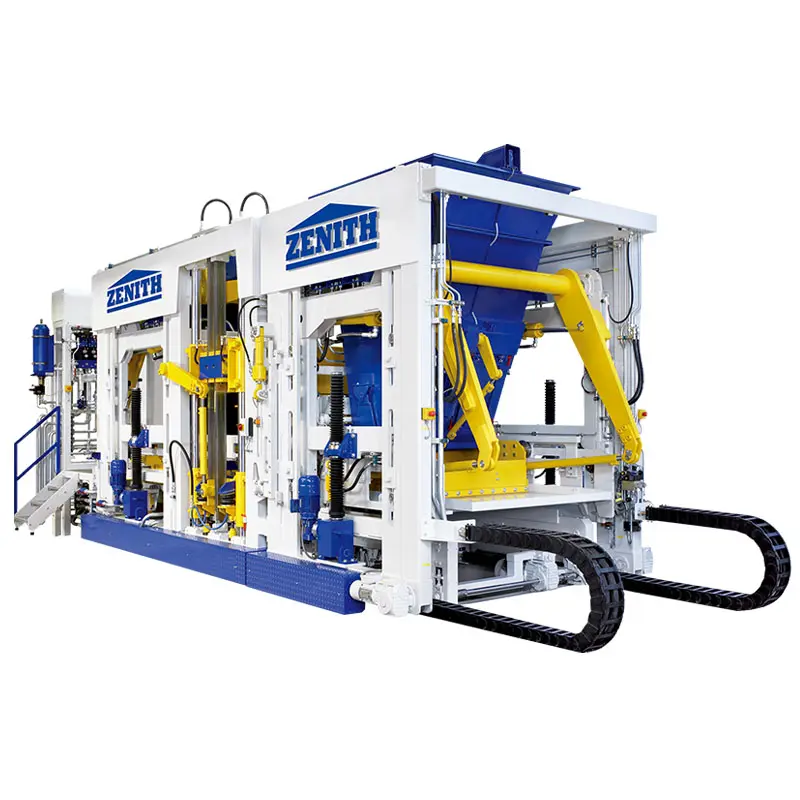
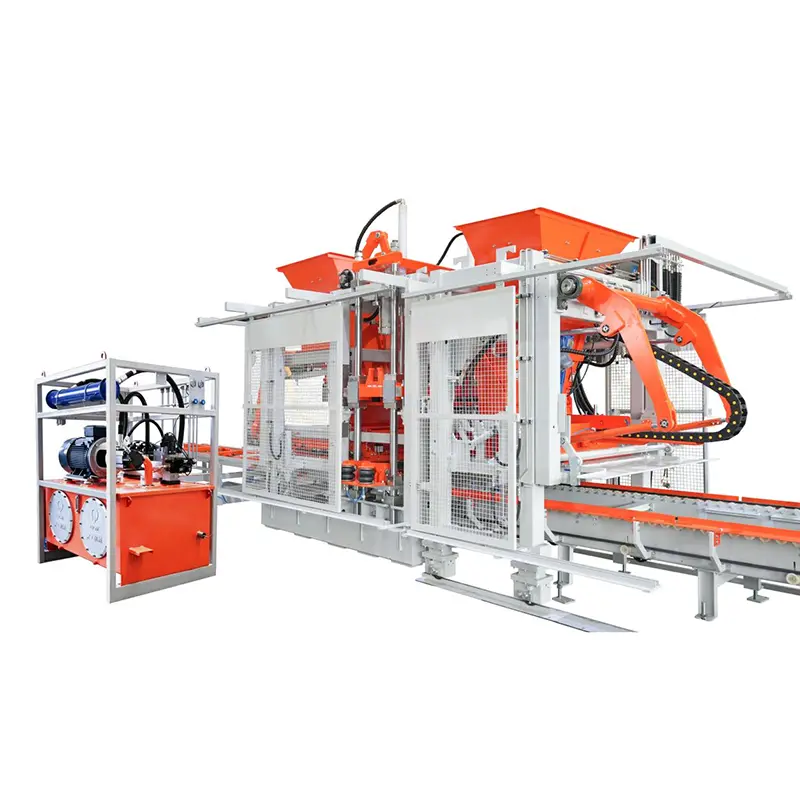
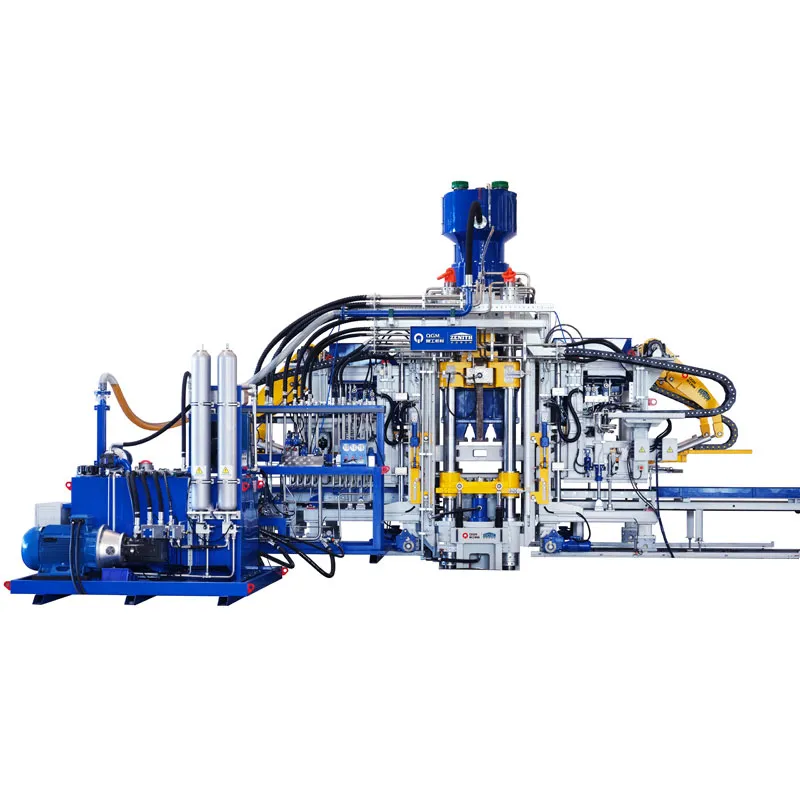
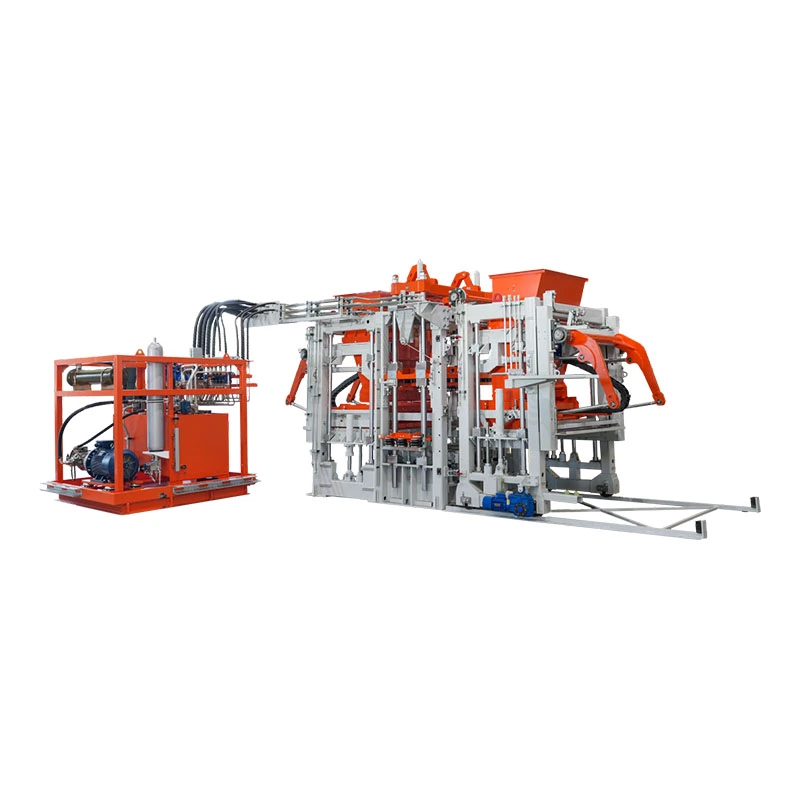
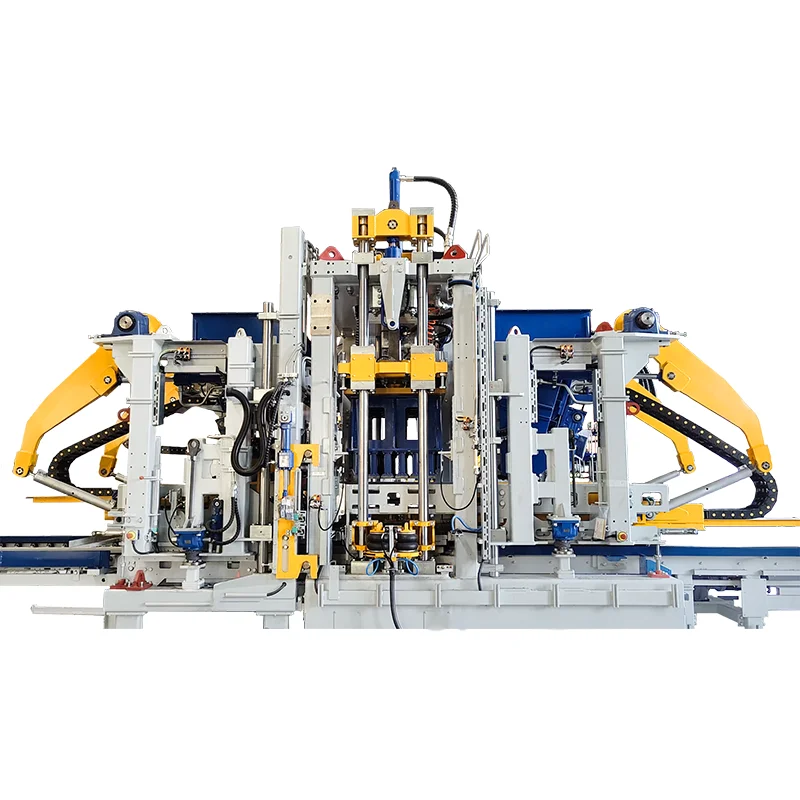
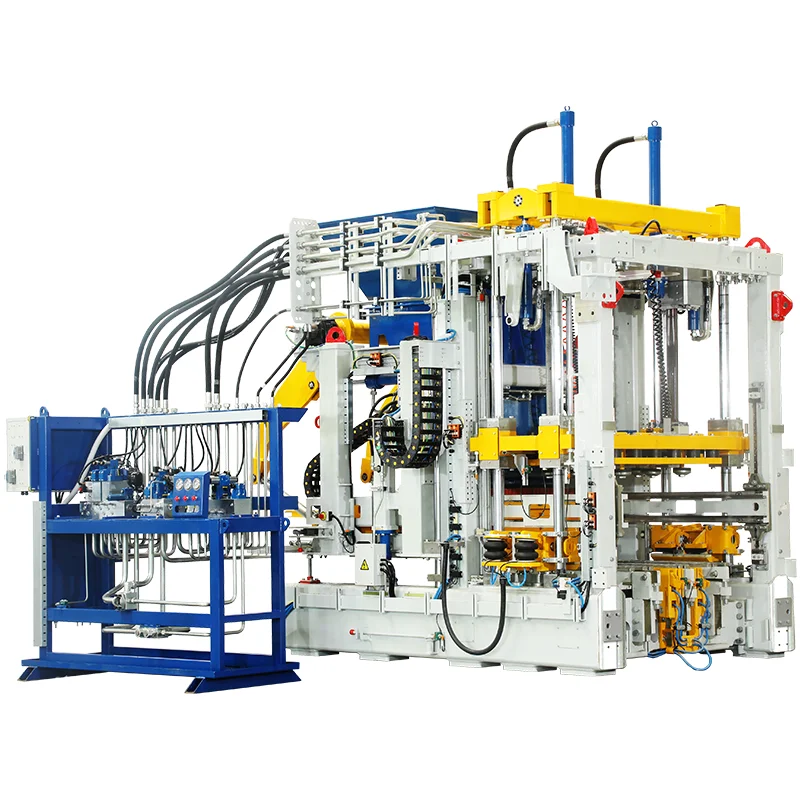
The Semi Automatic Cement Brick Making Machine combines a hydraulic pressing system with vibratory compaction to produce dense, uniform blocks suitable for load-bearing walls, pavements, and landscaping products. Its control panel allows the operator to adjust vibration time, pressure holding duration, and table lifting speed, giving you direct influence over compaction density and surface finish. The frame is fabricated from thick steel plates and stress-relieved before machining, which reduces flex under repeated load and keeps mold alignment accurate. Concrete hoppers feature wear-resistant liners, and the feeding system is laid out to minimize segregation of the mix, which helps maintain compressive strength consistency across the entire pallet. Quick-change mold cartridges let you switch between hollow blocks, solid bricks, paving stones, and interlocking shapes in under twenty minutes, making it practical to serve multiple customer segments from one machine. The hydraulic power unit runs a high-efficiency gear pump paired with a low-noise motor, and all circuit connections use ORFS fittings to prevent leaks even under frequent start-stop cycles. Heavy-duty guidance pillars and self-lubricating bushes keep the pressing head parallel to the pallet, reducing uneven block height and chipped edges. A mechanical end-stop system ensures repeatable block height for every cycle, which is critical when you supply blocks to construction projects with tight dimensional tolerances. The vibration system uses twin eccentric shafts synchronized by a gear set, delivering a compaction force that penetrates through stiffer, low-water-content mixes, resulting in higher green strength and cleaner demolding.
Core Technical Specifications
- Cycle time: 18 – 22 seconds per pallet (hollow block, 390×190×190 mm)
- Pallet size: 900×550 mm (steel-reinforced wooden pallet, additional sizes available)
- Hydraulic working pressure: 16 – 20 MPa
- Vibration force: 35 – 50 kN (adjustable eccentric weights)
- Total installed power: 18.5 kW (vibrator motor 7.5 kW × 2, hydraulic pump motor 3.5 kW)
- Hopper capacity: 400 liters (extendable to 500 liters with bolt-on collar)
- Mold change time: 15 – 20 minutes (quick-release clamping system)
- Control system: Digital timer-based panel with manual override
- Machine weight: 3,800 kg
- Dimensions (L×W×H): 3,100×1,850×2,600 mm
- Air consumption: 0.5 m³/h at 0.6 MPa (for pneumatic vibrator gate, if equipped)
- Block height adjustment: 100 – 250 mm mechanically set
Production Capacity Table (8-Hour Shift)
| Block Type |
Size (mm) |
Blocks per Cycle |
Approx. Pcs / 8 Hours |
| Hollow block |
390×190×190 |
4 |
5,760 – 6,400 |
| Solid brick |
215×102.5×65 |
18 |
25,920 – 28,800 |
| Paver (zigzag) |
200×100×60 |
12 |
17,280 – 19,200 |
| Curbstone |
500×150×200 |
2 |
2,880 – 3,200 |
| Interlocking brick |
230×115×75 |
9 |
12,960 – 14,400 |
The hydraulic circuit includes a high-response proportional relief valve that protects the pump and cylinders during mold change or when an obstruction is detected, extending the service life of seals and hoses. The vibration table rides on eight cylindrical rubber buffers that isolate the main frame from high-frequency energy, reducing noise transmission and protecting the hydraulic components mounted on the same chassis. A centralized grease manifold feeds lubrication points on each guide pillar, making daily maintenance a one-step operation that takes less than a minute. Electrical panels are pre-wired to accept a remote batching controller, so you can integrate the machine with an existing weighing and mixing setup without rewiring the entire station. The combination of low cycle time across multiple block formats and a straightforward mechanical design makes this semi automatic cement brick making machine a practical addition to medium-capacity yards that need to balance initial investment against daily throughput and block variety.