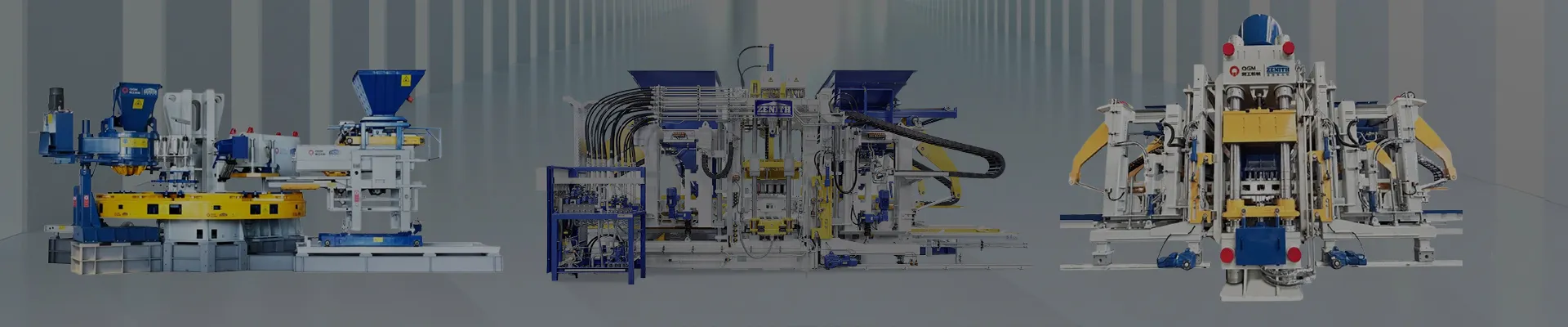
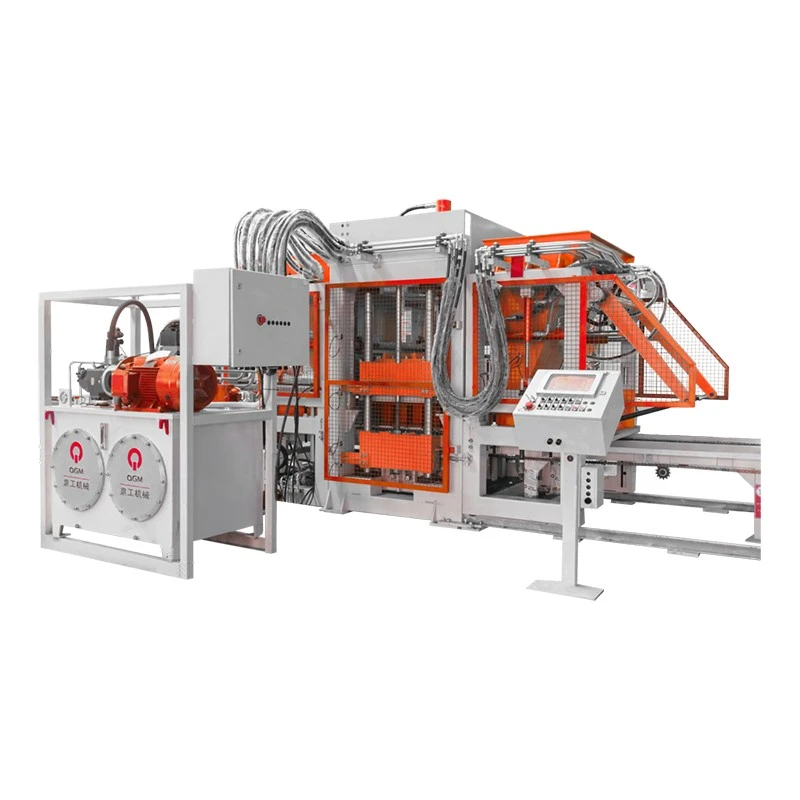
Static press brick machine
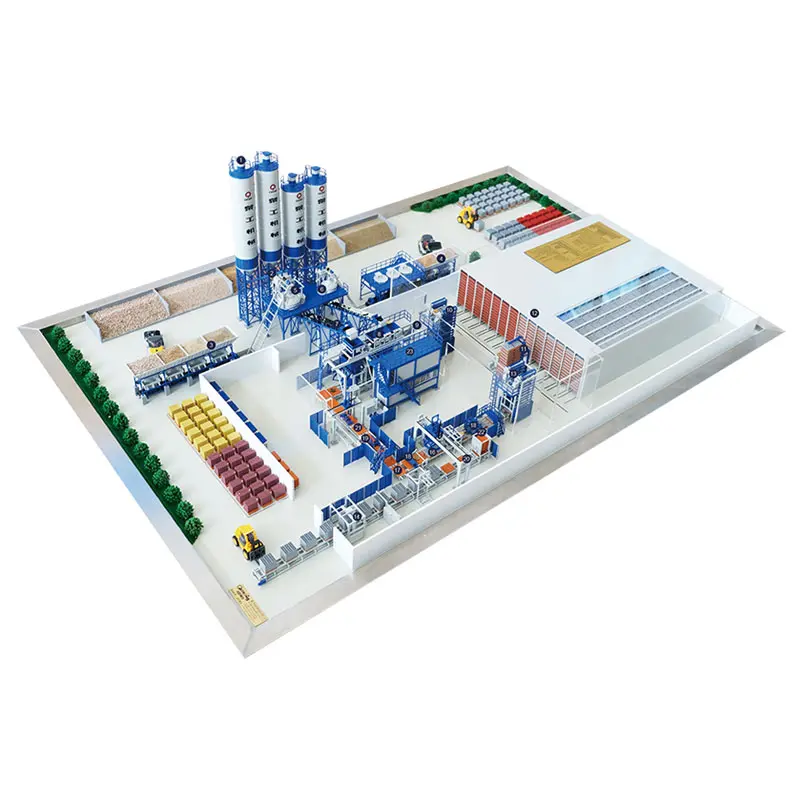
The static press brick machine has transformed the way dense masonry units are produced, offering a compelling alternative to conventional vibration-based systems. At its core, this equipment mirrors the function of a robust cement brick machine by forming bricks from raw materials and binders. However, the static pressing method replaces prolonged vibration with a controlled, high-pressure cycle that achieves superior density with less noise and dust. This allows operators to consistently manufacture load-bearing blocks that meet stringent international standards. In large-scale operations, the efficiency is amplified when synchronized with a Fully automatic no-burning brick machine, as the combined layout eliminates curing delays and enables round-the-clock production without a kiln. Beyond standard bricks, diversifying a production line with Cement Block Machinery opens the door to manufacturing hollow blocks, lintels, and larger structural components. Adding an Imitation stone PC brick machine further broadens the catalog by producing realistic stone textures used in premium facades and landscaping. This integrated approach reduces per-unit costs and captures a wider segment of the construction market, from low-cost housing to luxury residences.
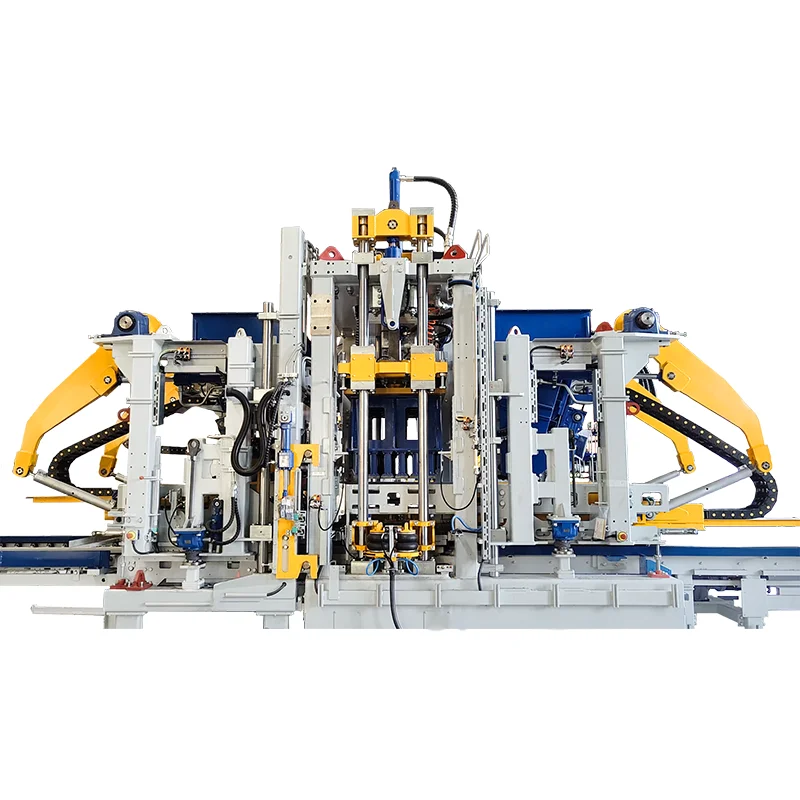
The static press brick machine operates on a dual-action hydraulic system that ensures uniform density throughout every brick. A welded, stress-relieved frame provides the rigidity needed to maintain precise mold alignment even under the highest pressing forces. This consistency translates into bricks that exhibit minimal dimensional variation, an essential characteristic for automated robotic handling systems and dry-stacking construction techniques. Users report substantial reductions in raw material waste because the intense compaction process activates the inherent binding potential of aggregates like quarry dust, fly ash, and recycled demolition waste, thereby lowering the required cement content. The machine accommodates various aggregate types and moisture conditions, adjusting feed parameters automatically via its PLC-driven electronics. Its quiet operation, often well below 85 dB, meets occupational health regulations without requiring additional soundproofing, making it ideal for urban and semi-urban manufacturing facilities. Regular maintenance is simplified through centralized grease points and quick-access panels, while the hydraulic circuit includes a filtration and cooling system that extends fluid life to over 3,000 operating hours.
Manufacturers choose static press technology for its unmatched control over brick density and surface finish. Unlike agitated molding systems that can entrap air pockets, the gradual compression stroke expels air and packs particles tightly, resulting in a smooth, closed surface that resists moisture penetration. This makes the bricks ideal for outdoor applications such as driveways, patios, and retaining walls, where freeze-thaw durability is critical. The static press brick machine also excels in producing solid bricks with sharply defined arrises, adding aesthetic value for exposed masonry projects. With batch-to-batch consistency, builders report fewer breakages and less on-site trimming, accelerating construction timelines.
Core Specifications
- Pressing force range: 150 – 600 metric tons
- Demolding height: 50 – 200 mm adjustable
- Cycle time: 15 – 25 seconds (depends on product height)
- Hydraulic system: Load-sensing pump with oil cooler
- Control: Siemens PLC programmable logic controller with HMI touchscreen
- Mold changeover time: under 15 minutes
Detailed Performance Data by Model
| Model | Max Pressure (Ton) | Effective Table Size (mm) | Solid Brick Output (pcs/hr) | Installed Power (kW) |
|---|
| SPB-160 | 160 | 900×600 | 2,880–3,360 | 15 |
| SPB-250 | 250 | 1,100×700 | 4,320–5,040 | 22 |
| SPB-500 | 500 | 1,200×800 | 5,760–6,720 | 30 |
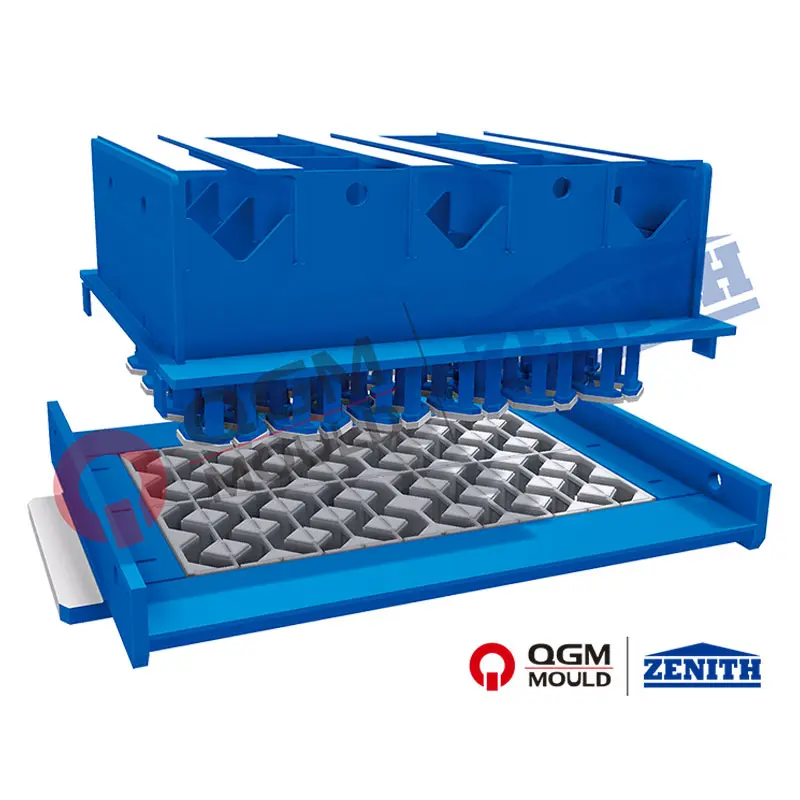
Available mold sets cover a wide array of product profiles. Standard configurations produce solid bricks, three-hole blocks, and tongue-and-groove pavers. Custom options can replicate split-face textures, water-channel blocks, and even large-format wall panels. Each mold is constructed from high-chrome steel with heat-treated surfaces that withstand abrasive mixes, delivering a service life of over 100,000 cycles. Quick-clamp mounting systems enable a single technician to swap molds in under 20 minutes, supporting agile production runs. When a plant operates multiple machines, such as a cement brick machine for standard stock and a static press for premium lines, these changeover efficiencies minimize inventory buildup and enable just-in-time manufacturing.
The static press brick machine integrates seamlessly with automated handling systems. Finished bricks are ejected onto a conveyor belt and can be stacked by robotic arms for accelerated packaging. The user-friendly HMI stores up to 100 recipe presets, allowing operators to call up settings for different product types within seconds. Power consumption is optimized through a variable-frequency drive that adjusts motor speed to the exact load demands, reducing idle energy draw. The machine’s foundation requirements are minimal thanks to an integrated vibration-damping base that isolates the pressing station from the plant floor. All electrical enclosures are rated IP54, safeguarding controls against dust and moisture. Together, these features set the static press brick machine apart as a future-ready investment for any concrete product manufacturer.
A global network of service centers ensures that spare parts for the static press brick machine are readily available, minimizing potential downtime. Common wear items such as seals, filters, and guide bushes are kept in regional warehouses for overnight dispatch. The manufacturer provides remote diagnostic access, allowing engineers to troubleshoot PLC errors and update software without an on-site visit. Training programs cover mold setup, hydraulic maintenance, and recipe optimization, empowering local teams to operate at peak efficiency from day one.