News

How to Prevent the Common Failure Modes in Block Machine Moulds?

2026-01-28 0 Leave me a message

Introduction

Block production lines rely heavily on the performance and durability of Block Machine Moulds, which serve as the core components shaping every concrete block. At Quangong Machinery Co., Ltd., we understand that even minor failure in a mould can disrupt the entire production process, leading to costly downtime and reduced output quality. The common failure modes in these moulds, including wear, corrosion, deformation, and cracking, often arise from a combination of material limitations, operational stress, and environmental conditions.


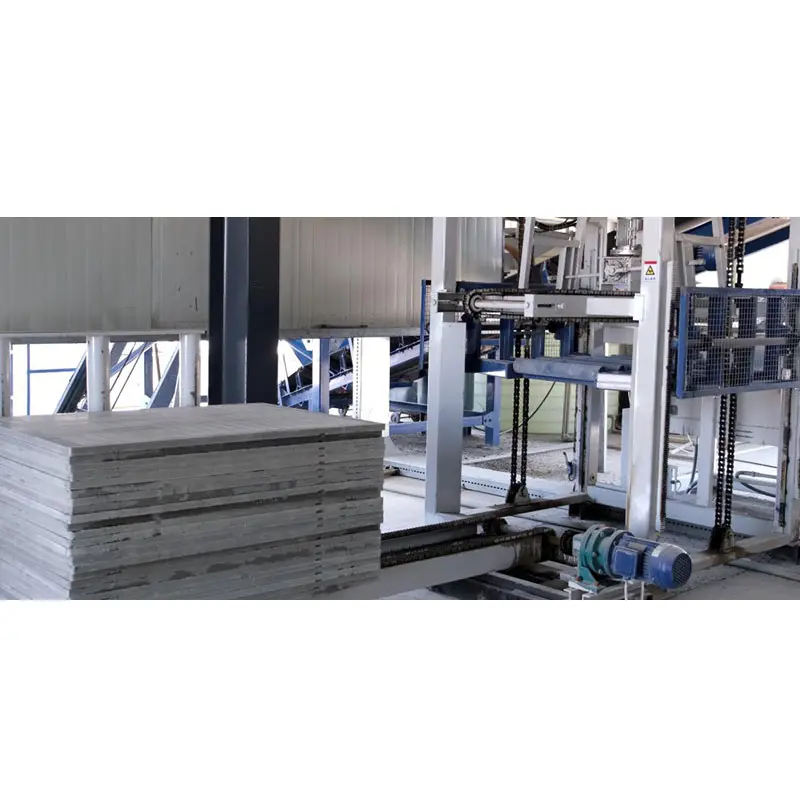
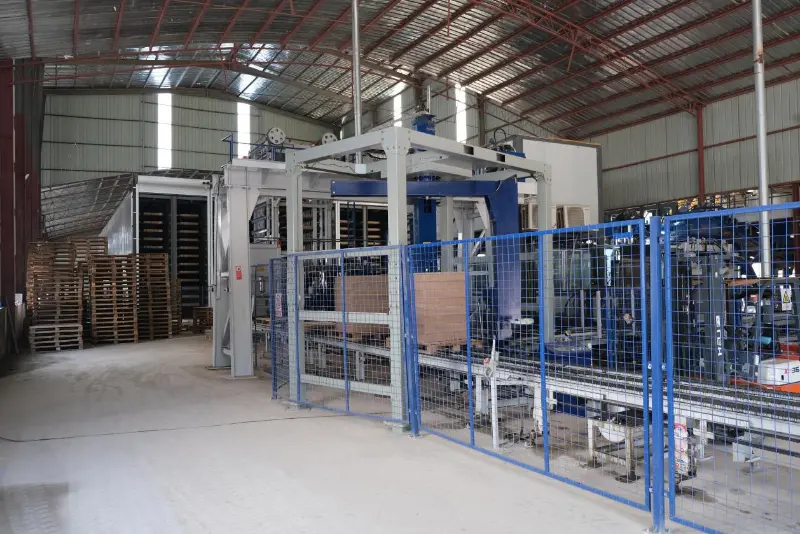
Our approach at the factory emphasizes not only high-quality manufacturing but also comprehensive maintenance and proactive monitoring. Each Block Machine Mould is designed to work efficiently with auxiliary machinery, such as the Brick Machine Offline Cubic System, ensuring a seamless and productive workflow. By implementing best practices in material selection, handling, lubrication, inspection, and storage, our clients experience significantly longer mould lifespan and minimal interruptions in their block production operations.


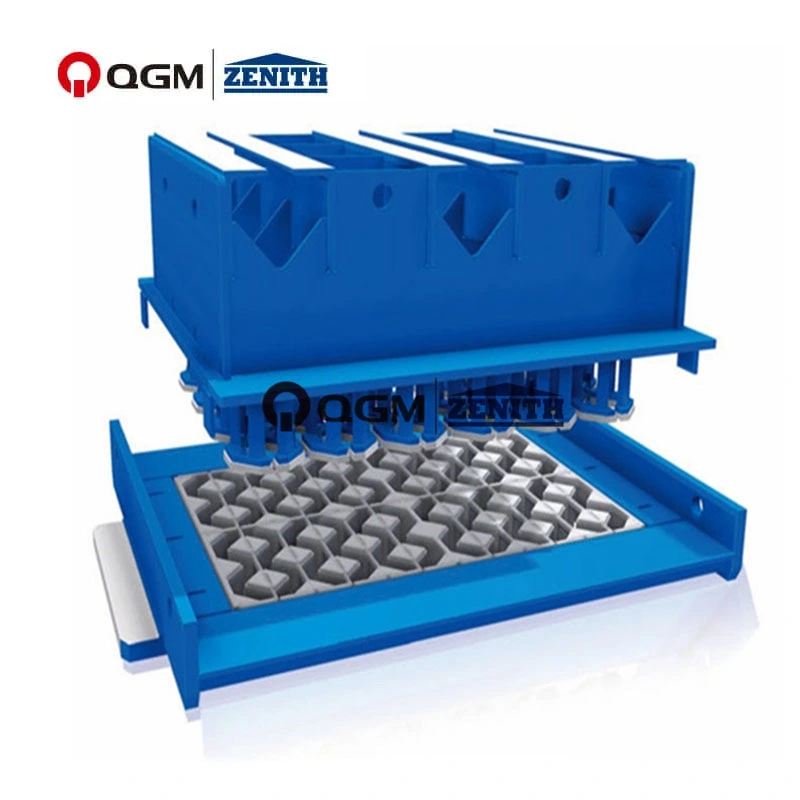
Paver Stone Block Moulds


Table of Contents


Why Do Block Machine Moulds Fail and How Can We Avoid It?

Block Machine Moulds are critical components in any block production line, including systems like the Brick Machine Offline Cubic System. Understanding the reasons for their failure helps our factory ensure long-term performance and efficiency. At Quangong Machinery Co., Ltd., we emphasize proactive maintenance and high-quality material selection to prevent breakdowns.


Common failure modes include:

  • Wear and tear: Continuous operation leads to surface wear. Our Block Machine Moulds are made of high-strength alloy steel treated with heat processing to enhance durability.
  • Corrosion: Exposure to moisture accelerates rusting. Our factory applies anti-corrosion coatings and ensures proper lubrication for each mould.
  • Deformation: Excessive pressure during production can deform the mould. Our designs feature reinforced support structures to resist high load conditions.
  • Cracking: Thermal stress and improper handling can cause cracks. We recommend scheduled inspections and controlled temperature environments.


To quantify performance, our Block Machine Mould specifications include:

Model Dimensions (mm) Material Weight (kg) Lifespan (hours)
QM-BM-01 600x200x150 Alloy Steel 45 10000
QM-BM-02 800x250x180 Heat-Treated Steel 60 12000
QM-BM-03 1000x300x200 Chrome Alloy Steel 80 15000


Through high-quality design and precision manufacturing, our Block Machine Moulds consistently reduce downtime and improve the reliability of auxiliary systems like the Brick Machine Offline Cubic System.


How to Maintain Optimal Performance in Block Machine Moulds?

Maintaining optimal performance requires systematic care. Our factory at Quangong Machinery Co., Ltd. follows comprehensive maintenance protocols:

  • Regular Cleaning: We clean mould surfaces after each production cycle to prevent material buildup.
  • Lubrication: Proper lubrication prevents friction and surface degradation. Our moulds are compatible with both standard and high-performance lubricants.
  • Inspection: Routine visual and ultrasonic inspections identify early signs of wear or cracks.
  • Alignment Checks: Misalignment can cause uneven pressure and premature failure. We use precision instruments to ensure exact alignment.
  • Temperature Control: Overheating is mitigated by controlling production speed and using temperature monitoring devices.


Our factory ensures each Block Machine Mould achieves consistent output quality while extending service life. Detailed parameters include:

Maintenance Item Frequency Recommended Tool/Material
Cleaning After every shift Soft Brush, Compressed Air
Lubrication Weekly High-Temperature Grease
Inspection Monthly Ultrasonic Tester, Visual Check
Alignment Quarterly Laser Alignment Device
Temperature Monitoring Continuous Thermocouples, Infrared Sensor


By adhering to these practices, our Block Machine Moulds consistently perform well under continuous operation, complementing auxiliary machinery such as the Brick Machine Offline Cubic System.


What Are Best Practices to Prevent Mould Failures?

Implementing best practices is essential to prevent unexpected failures in Block Machine Moulds and to ensure consistent performance in production lines, including systems like the Brick Machine Offline Cubic System. At Quangong Machinery Co., Ltd., our approach combines material optimization, proper handling, environmental control, and systematic maintenance. By following these practices, our clients experience extended mould lifespan, reduced downtime, and improved block quality.


1. High-Quality Material Selection

The foundation of durable Block Machine Moulds begins with the right material. Our factory selects high-grade alloy steels, heat-treated steels, and chrome-plated steel to ensure resistance against wear, corrosion, and thermal stress. Material selection affects not only the durability but also the precision of each mould, reducing defects in block production.

  • Alloy Steel: Provides excellent wear resistance.
  • Heat-Treated Steel: Enhances hardness and impact resistance.
  • Chrome-Plated Steel: Prevents corrosion and reduces surface friction.


2. Protective Coatings and Surface Treatment

Surface treatment is a crucial step in mould protection. At our factory, each Block Machine Mould undergoes a coating or plating process to prevent oxidation and extend service life.

  • Anti-Corrosion Coatings: Reduce rust formation in humid environments.
  • Polishing and Grinding: Ensure smooth surfaces for uniform block shaping.
  • Regular Re-Coating: Scheduled maintenance maintains protective layers.


3. Controlled Operating Environment

The production environment directly impacts mould longevity. Temperature fluctuations, moisture, and dust can accelerate wear and cause deformation. Our team ensures that storage and operational areas maintain consistent temperature and humidity levels.

  • Humidity Control: Prevents rust and corrosion.
  • Temperature Monitoring: Avoids thermal stress.
  • Dust and Debris Management: Reduces abrasive wear.


4. Proper Handling and Operator Training

Operator skill is critical to mould performance. Our factory provides detailed guidelines and training for handling Block Machine Moulds to prevent accidental damage.

  • Safe Lifting Techniques: Prevents bending or deformation.
  • Alignment Procedures: Ensures proper installation in production lines.
  • Handling Tools: Use of appropriate devices for installation and removal.


5. Documentation and Maintenance Protocols

Maintaining detailed records and adhering to a structured maintenance plan ensures long-term performance and early detection of potential issues.


Maintenance Task Frequency Recommended Tools
Cleaning After every shift Soft Brush, Compressed Air
Lubrication Weekly High-Temperature Grease
Inspection Monthly Ultrasonic Tester, Visual Check
Alignment Check Quarterly Laser Alignment Device
Surface Re-Coating Every 6 months Anti-Corrosion Coating Materials


By implementing these best practices, our Block Machine Moulds consistently deliver high-quality blocks while reducing unplanned downtime. Our factory ensures each mould is paired with a maintenance guide and trained operators, further optimizing production efficiency and performance, particularly when integrated with auxiliary machinery such as the Brick Machine Offline Cubic System.


How to Monitor and Diagnose Potential Failure Modes?

Monitoring and diagnosing potential failure modes is essential to maintain the efficiency and longevity of Block Machine Moulds. At Quangong Machinery Co., Ltd., we emphasize proactive monitoring combined with regular inspections to prevent costly downtime and ensure the consistent quality of blocks, especially when using auxiliary systems like the Brick Machine Offline Cubic System.


1. Regular Visual Inspections

Visual inspection is the first step in identifying signs of wear, corrosion, or misalignment. Our factory recommends:

  • Inspecting mould surfaces for cracks, scratches, or rust formation.
  • Checking edges and corners for deformation that could affect block shaping.
  • Verifying alignment with production line guides to prevent uneven pressure.


2. Ultrasonic and Non-Destructive Testing

Ultrasonic testing (UT) and other non-destructive techniques allow early detection of internal defects that are not visible externally.

  • UT detects internal cracks, voids, or weak spots in steel moulds.
  • Magnetic particle inspection highlights surface and near-surface cracks in ferromagnetic materials.
  • Our factory schedules NDT inspections monthly to ensure early intervention before serious failure occurs.


3. Real-Time Operational Monitoring

Continuous monitoring of operational parameters can help detect anomalies before they escalate into failures. Our factory uses advanced sensors and monitoring systems to track:

  • Temperature: Excessive heat can cause thermal expansion or warping of the mould.
  • Vibration: Abnormal vibration indicates misalignment or wear in mould support systems.
  • Pressure: Uneven pressure distribution can lead to premature wear or cracking.


4. Data Logging and Trend Analysis

Recording and analyzing production data helps predict maintenance needs and potential failure modes. At Quangong Machinery Co., Ltd., we implement:

  • Cycle Counts: Tracking production cycles to anticipate the timing of preventive maintenance.
  • Performance Metrics: Logging output consistency and defect rates to identify gradual mould degradation.
  • Environmental Data: Monitoring humidity and temperature trends to assess potential risk factors for corrosion or thermal stress.


5. Preventive Replacement and Maintenance Scheduling

Proactive replacement of worn components and adherence to maintenance schedules are critical for long-term performance. Our factory approach includes:

  • Replacing moulds or inserts based on predefined lifecycle metrics.
  • Scheduling maintenance during non-peak production hours to minimize downtime.
  • Integrating inspection results into maintenance planning to prevent unexpected failures.


6. Diagnostic Checklist and Record Keeping

Maintaining detailed records ensures consistent monitoring and informed decision-making. Our diagnostic checklist includes:

Monitoring Task Frequency Tools/Methods
Visual Inspection Weekly Magnifying Glass, LED Lamp
Ultrasonic Testing Monthly Ultrasonic Detector
Vibration & Temperature Check Continuous Vibration Sensor, Thermocouple
Cycle Count Analysis Monthly Production Log Software
Preventive Replacement As Required Replacement Components, Alignment Tools


By implementing these monitoring and diagnostic practices, our Block Machine Moulds maintain high reliability and consistent block quality. Our factory ensures that every mould is paired with detailed operational guidelines, making it easier for production teams to proactively prevent failures and extend the service life of auxiliary equipment, such as the Brick Machine Offline Cubic System.


Through a combination of inspection, real-time monitoring, data analysis, and preventive maintenance, our factory helps clients reduce unplanned downtime and maintain high productivity, ultimately ensuring the long-term performance and cost-efficiency of their block production lines.


Summary

Preventing common failure modes in Block Machine Moulds requires a combination of high-quality materials, precise manufacturing, regular maintenance, and proactive monitoring. At Quangong Machinery Co., Ltd., our Block Machine Moulds are designed to offer long-term reliability, efficiency, and compatibility with auxiliary systems such as the Brick Machine Offline Cubic System. By following our recommended practices, our clients can achieve minimal downtime, consistent production quality, and a longer service life for their machinery.


Contact our team today to learn more about our Block Machine Moulds and how our factory can help optimize your block production line performance.


FAQ - How to Prevent the Common Failure Modes in Block Machine Moulds?

Q1: How often should Block Machine Moulds be inspected?
Block Machine Moulds should be inspected monthly using both visual and ultrasonic methods. Regular inspection allows early detection of wear, cracks, or misalignment, ensuring long-term reliability.

Q2:  What materials are best for preventing mould wear?
High-grade alloy steel, chrome-plated steel, or heat-treated steel are recommended. These materials resist abrasion, corrosion, and thermal stress, providing consistent performance for extended periods.

Q3: How can environmental factors affect mould lifespan?
Excess moisture, dust, and temperature fluctuations accelerate wear and corrosion. Our factory ensures controlled storage and operating environments to minimize these risks.

Q4: How important is operator training in preventing mould failure?
Operator training is critical. Proper handling, alignment adjustments, and adherence to maintenance protocols prevent accidental damage, deformation, and early failure.

Q5: How does preventive maintenance improve production efficiency?
Preventive maintenance reduces unexpected downtime, maintains consistent product quality, and extends mould lifespan. By following scheduled cleaning, lubrication, and inspection routines, our factory ensures optimal performance.

Related News
Leave me a message
X
We use cookies to offer you a better browsing experience, analyze site traffic and personalize content. By using this site, you agree to our use of cookies. Privacy Policy
Reject Accept