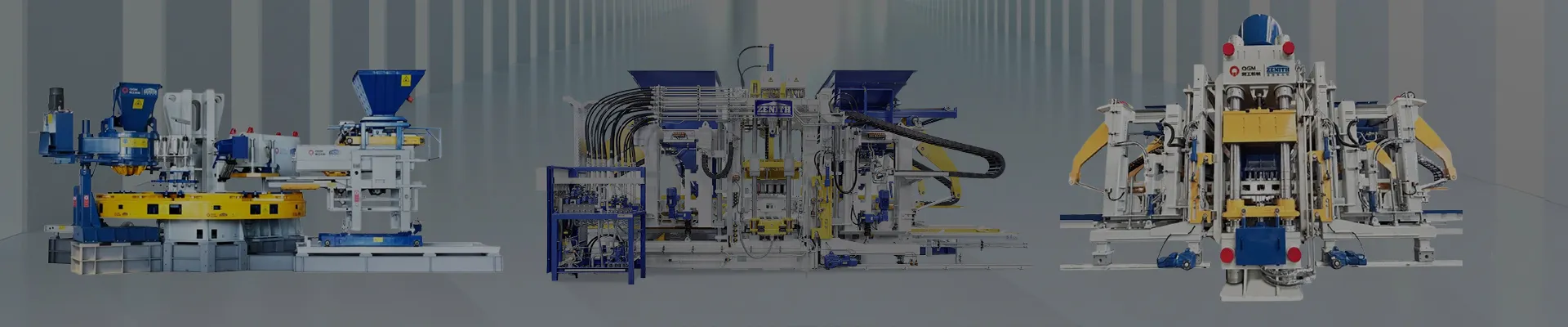
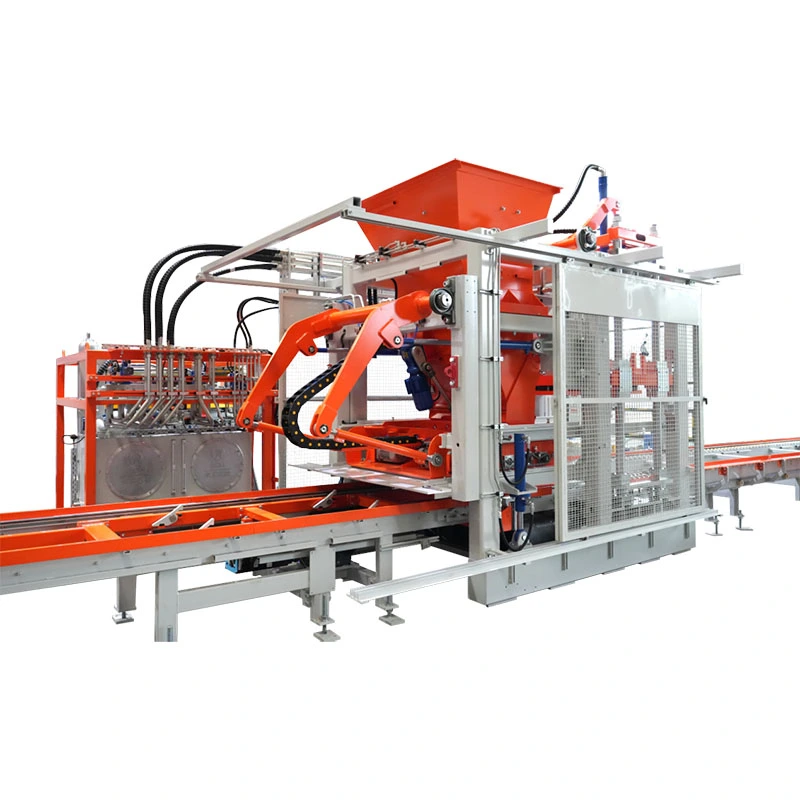
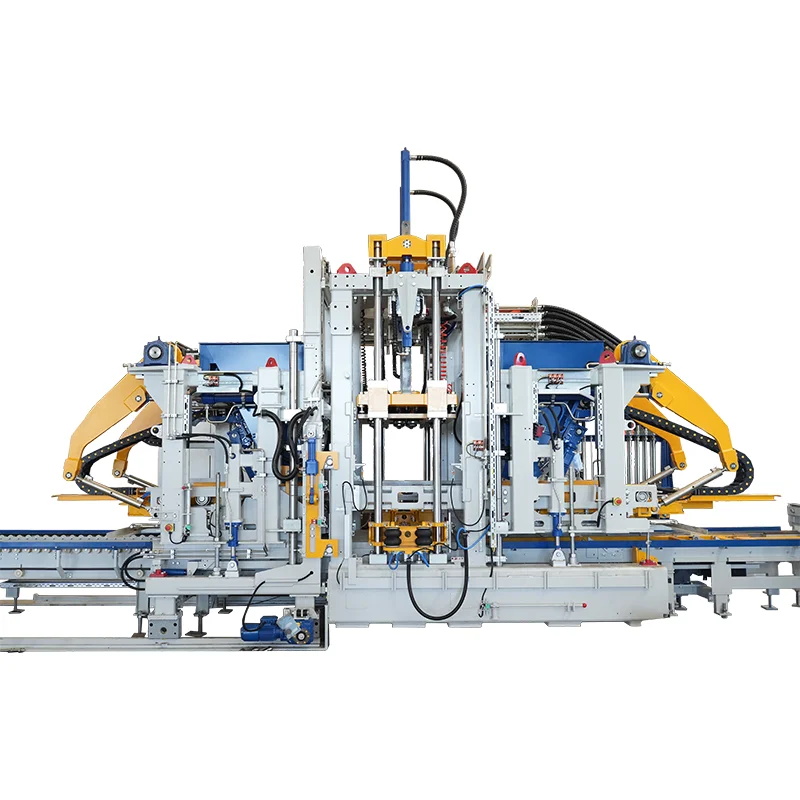
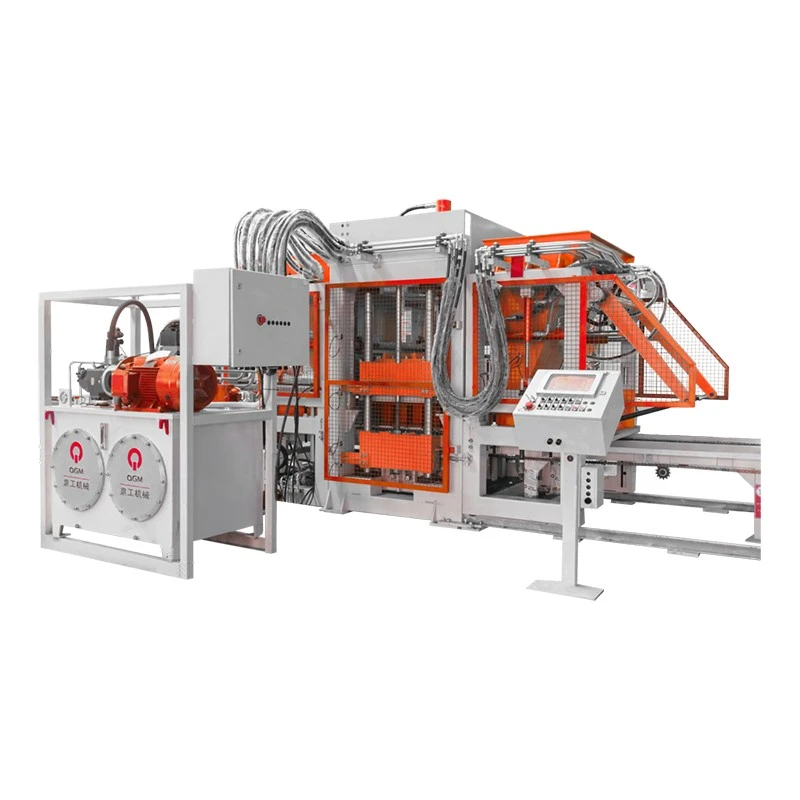
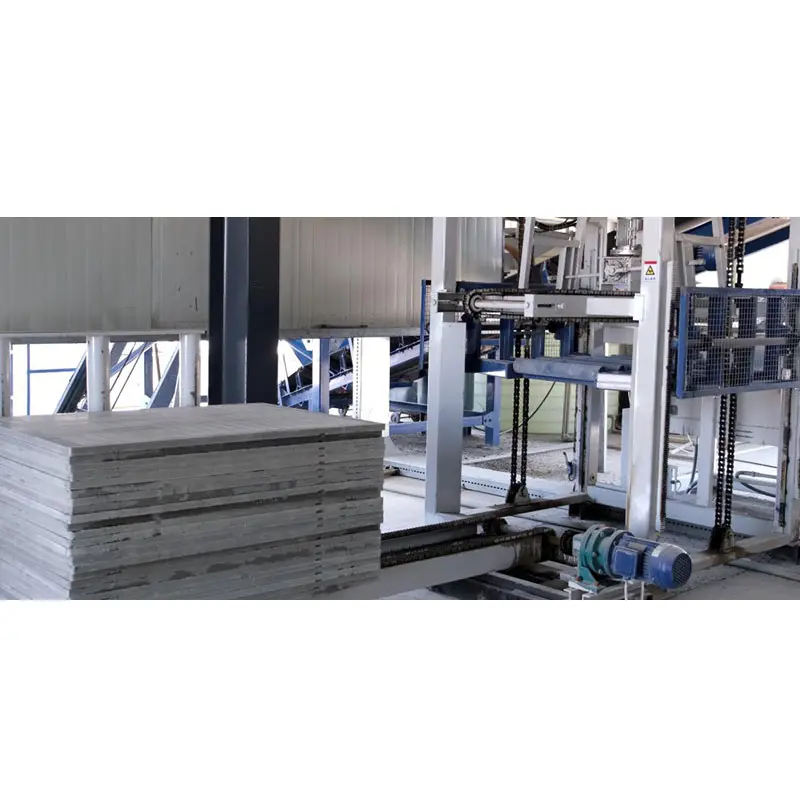
Our automatic cement brick making machine sits at the forefront of Block Moulding Machinery, integrating robust engineering with intelligent automation to deliver unparalleled block production. When combined with compatible Block Moulding Machine equipment such as conveyors, mixers, and pallet feeders, the line becomes a complete, hands-free manufacturing cell. Unlike a basic Automatic Block Moulding Machine that may rely on semi-manual feeding, this model uses PLC-driven sequences for uniform dosing, vibration, and hydraulic pressing. It belongs to the advanced generation of Automatic Block Moulding Machinery, capable of producing everything from hollow blocks and solid bricks to interlocking pavers and kerbstones at cycle times as low as 15 seconds. The rigid steel frame and imported hydraulic components ensure stability even under continuous heavy-duty shifts, making it an ideal asset for large-scale construction projects, ready-mix yards, and precast factories.
The Automatic Cement Brick Making Machine is designed with a dual-mass vibration system that channels vertical and horizontal motion directly into the mould box, eliminating voids and achieving exceptional compaction in every brick. A proportional hydraulic circuit delivers adjustable pressing force up to 25 MPa, allowing you to fine-tune density for different raw materials—whether you’re working with fly ash, sand, crushed stone, or lightweight aggregates. Operators can switch moulds within minutes using a quick-release clamping system, expanding the product catalogue without disrupting production. The Siemens PLC and touchscreen interface provide real-time diagnostics, cycle counters, and memory for up to 50 product recipes, while the automatic stacker and transfer carriages enable a continuous output of 3,840 to 9,600 bricks per hour depending on model configuration. Protection features like overload sensors, emergency stops, and a fully enclosed hydraulic manifold contribute to safe, reliable operation even in demanding environments with high humidity or dust. This cement brick making machine pairs efficiency with long service life, thanks to wear-resistant liners, greaseless bearings, and a corrosion-protected chassis.
Core Technical Highlights
- Synchronous vibration system with double-frequency motor for homogenous compaction
- Quick-change mould cartridge supports hollow, solid, paver, and curbstone profiles
- Closed-loop hydraulic pressing force with digital adjustment
- PLC touchscreen control with recipe storage and remote monitoring capability
- Automatic pallet feeder and belt conveyor for uninterrupted flow
- Heavy-duty welded frame with vibration isolation pads
- Energy-optimized Siemens motors and IE3-class efficiency
- Compliant with CE, ISO 9001, and ASTM C90 standards
Detailed Machine Specifications
The table below outlines the key models within the automatic cement brick making machine series. Each model is configured for a specific pallet size and production volume, yet shares the same core automation platform. Capacities are calculated for standard hollow blocks (400×200×200 mm), with higher outputs achievable when running solid bricks or smaller moulds. Power ratings include the main motor, hydraulic pump, conveyor, and vibrator, while the listed weight refers to the base machine without auxiliary feeding systems.
| Model |
Pallet Size (mm) |
Block Type (example) |
Capacity (pcs/hr) |
Installed Power (kW) |
Machine Weight (tons) |
Hydraulic Pressure (MPa) |
| QT4-15 |
880 × 550 |
400×200×200 hollow block |
3,840 |
25 |
5.5 |
21 |
| QT6-15 |
900 × 600 |
400×200×200 hollow block |
5,760 |
33.5 |
7.8 |
25 |
| QT8-15 |
1100 × 800 |
400×200×200 hollow block |
7,680 |
42 |
9.5 |
25 |
| QT10-15 |
1200 × 900 |
400×200×200 hollow block |
9,600 |
55 |
12.0 |
25 |
All models accept a range of raw materials including cement, sand, stone dust, fly ash, slag, and perlite. Cycle times can be adjusted between 15 and 25 seconds, and the capacity figures assume continuous running with optimum material consistency. Custom pallet sizes and multi-cavity moulds are available on request to suit regional block standards. The machines ship with a comprehensive spare parts kit, hydraulic oil, and an English interface manual.