Global manufacturing is entering a new phase. For many companies, the challenge is no longer simply how to produce more products. It is how to increase output while controlling labor costs, maintaining consistent quality, improving equipment utilization, and responding quickly to changing market demand.
These challenges are creating long-term opportunities for industrial equipment, industrial machinery, and automation solutions.
From packaging machinery and agricultural equipment to food-processing systems and building-material production lines, manufacturers in many countries are investing in equipment upgrades to improve productivity and reduce dependence on manual operations.
For Chinese equipment manufacturers, this creates an important export opportunity. However, competing successfully in international markets requires more than offering competitive equipment prices.
The market is increasingly moving from machine sales to integrated production solutions.
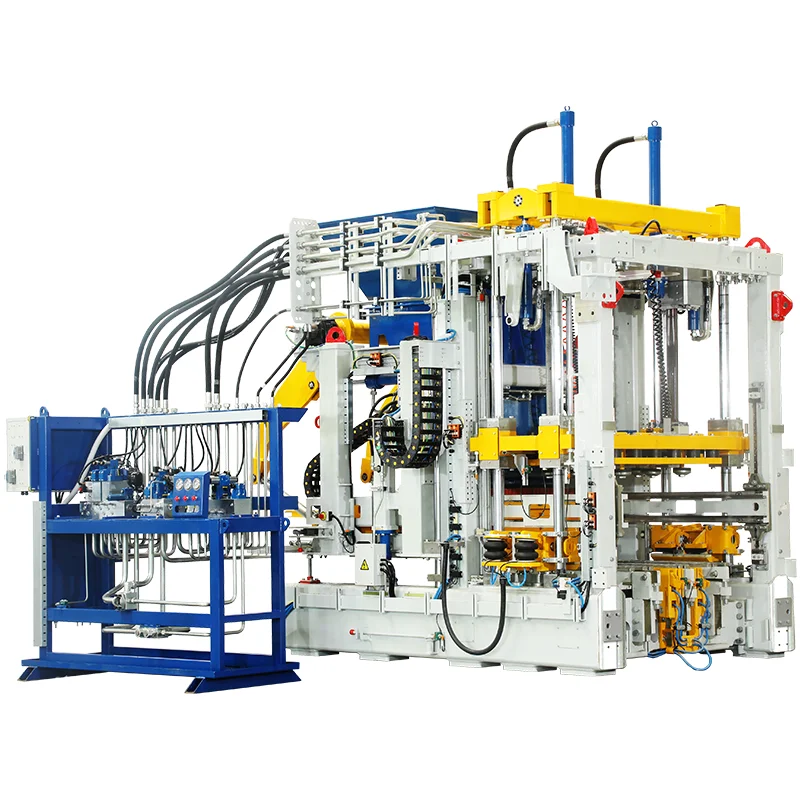
The concrete products industry provides a clear example. Modern block making machines are no longer isolated pieces of equipment. When integrated with batching, mixing, material handling, curing, palletizing, and intelligent control systems, they can become the core of a highly automated concrete block production line.
So, what is driving this change, and what should manufacturers consider when investing in industrial automation?
Industrial equipment is different from many consumer products.A consumer product may depend heavily on short-term trends, while industrial machinery is often purchased because a manufacturer has a specific production requirement.
A factory may need new equipment because it wants to:
* Increase production capacity
* Replace aging machinery
* Reduce labor requirements
* Improve product consistency
* Lower operating costs
* Expand into new product categories
* Upgrade from manual to automated production
* Improve workplace safety
These requirements exist across different regions and industries.As manufacturing costs rise and skilled labor becomes more difficult to recruit in some markets, automation is becoming an increasingly important investment consideration.
This creates opportunities for suppliers that can provide not only reliable machinery, but also automation technology, system integration, technical support, and after-sales service.
In other words, the future opportunity is not simply about exporting an industrial machine.It is about helping customers build a more productive manufacturing operation.
Traditional industrial equipment sales often focus on specifications.
Customers may compare:
* Machine capacity
* Equipment dimensions
* Motor power
* Production speed
* Automation level
* Initial purchase price
These factors remain important, but experienced industrial buyers increasingly look beyond the equipment itself.
They also want to know:
How reliably will the equipment operate?
How much labor will the production process require?
How easy is the system to operate and maintain?
Can the equipment integrate with other production processes?
What happens if the machine stops unexpectedly?
Is technical support available after installation?
This is why total cost of ownership (TCO) is becoming an increasingly important concept in industrial equipment purchasing.
A machine with a lower purchase price is not necessarily the most economical choice if it requires excessive manual labor, frequent maintenance, long downtime, or significant process adjustments.
For international manufacturers, the more valuable equipment partner is often the one that can provide a complete solution covering equipment, automation, installation, training, maintenance, and technical support.
Automation is no longer limited to highly advanced manufacturing plants.
It is increasingly being applied to conventional industries where repetitive manual operations can affect productivity and consistency.
An automated production system may include:
* Automatic material feeding
* Automated batching and dosing
* Conveyor systems
* PLC-based control
* Servo-driven systems
* Sensors and monitoring devices
* Automated product handling
* Robotic or automatic palletizing
* Production data collection
* Remote equipment monitoring
The objective is not simply to remove workers from the production process.Instead, automation allows manufacturers to assign people to higher-value tasks while machines handle repetitive, physically demanding, or highly repetitive operations.
At the same time, automated control can make production parameters more repeatable.This combination of automation, process control, and data visibility can help manufacturers achieve more stable production performance.
The concrete products industry demonstrates particularly well how industrial equipment is evolving.
A conventional block production process may involve multiple stages:Raw material handling → Batching → Mixing → Material feeding → Molding → Product handling → Curing → Palletizing
If many of these operations depend heavily on manual intervention, production efficiency can be affected by labor availability, operator experience, material handling, and process consistency.
A modern automatic block making machine takes a different approach.
Instead of treating the block machine as a standalone piece of equipment, manufacturers can integrate it into a complete concrete block production line.
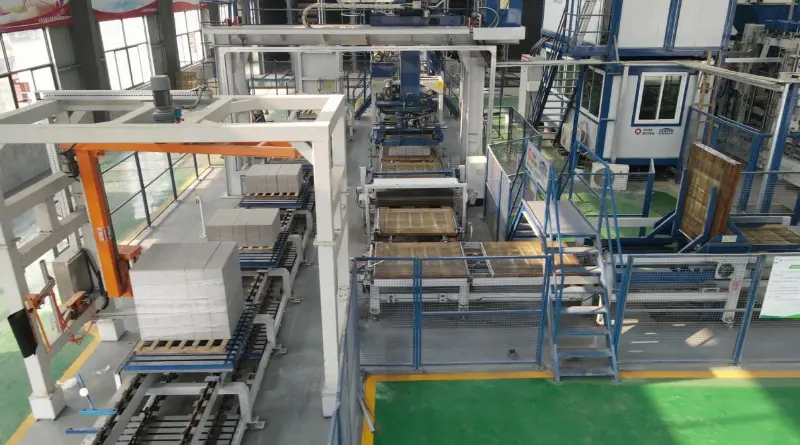
A highly automated production process may connect:Aggregate Storage → Automatic Batching → Mixing → Material Feeding → Block Molding → Green Product Handling → Curing → Automatic Palletizing → Finished Product Storage
This approach changes the role of the block making machine.It becomes a central component of an integrated automated manufacturing system.
Concrete block production includes many repetitive activities, including material handling, product transfer, and palletizing.
Automating these processes can reduce the amount of manual intervention required and help manufacturers manage labor more efficiently.
This can be particularly valuable in markets where labor costs are increasing or skilled production workers are difficult to recruit.
Concrete products depend on relatively precise process control.Variations in material proportions, moisture content, mixing conditions, feeding, vibration, and molding parameters can affect the final product.
An automated system can control key production parameters according to predefined recipes and operating conditions.
For manufacturers producing concrete masonry units, paving blocks, curbstones, or other precast concrete products, greater process consistency can contribute to more stable product quality.
Automation allows individual production stages to work together according to a defined production sequence.
Instead of relying on manual coordination between processes, conveyors, material handling equipment, molding systems, curing systems, and palletizing equipment can operate as an integrated workflow.
Modern industrial automation is increasingly connected with digital monitoring.
Production managers can use control systems and monitoring platforms to track equipment operating conditions, production cycles, process parameters, and potential abnormalities.
Instead of discovering a problem only after production is interrupted, manufacturers can use equipment data to support preventive maintenance and more efficient production management.
The evolution of block making equipment reflects a broader transformation in industrial machinery.Older production systems were often evaluated primarily by mechanical performance.
Modern systems must also be evaluated by their:
* Automation capability
* Control accuracy
* Production flexibility
* System integration
* Energy efficiency
* Maintainability
* Digital monitoring capability
* Long-term service support
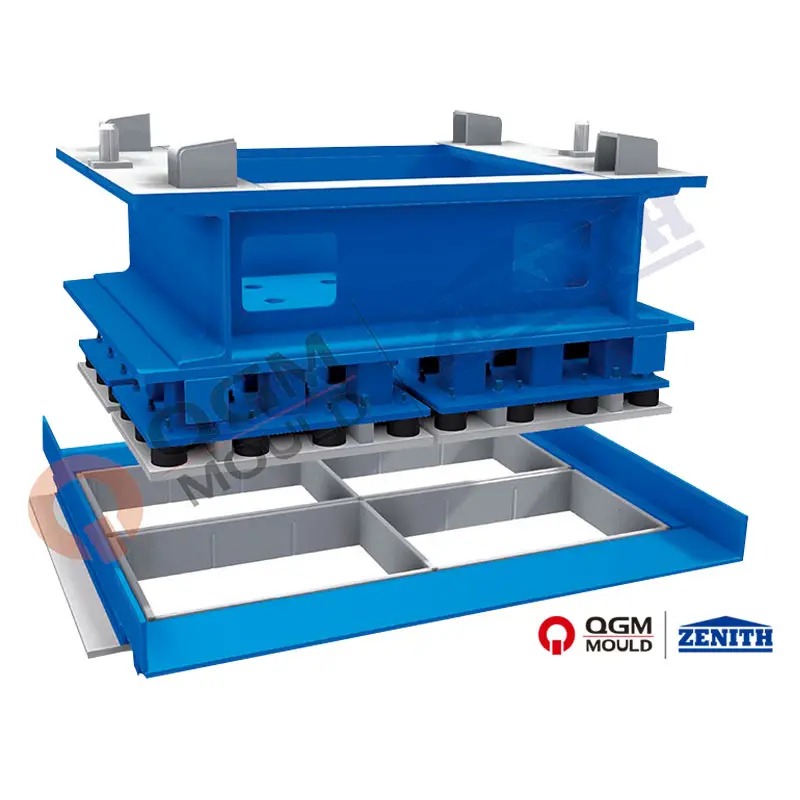
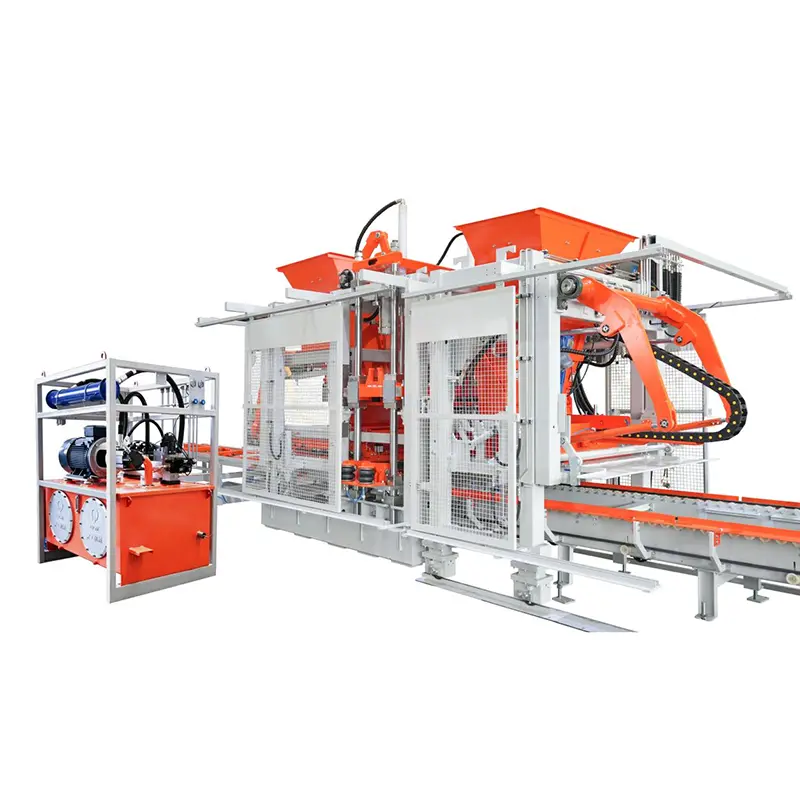
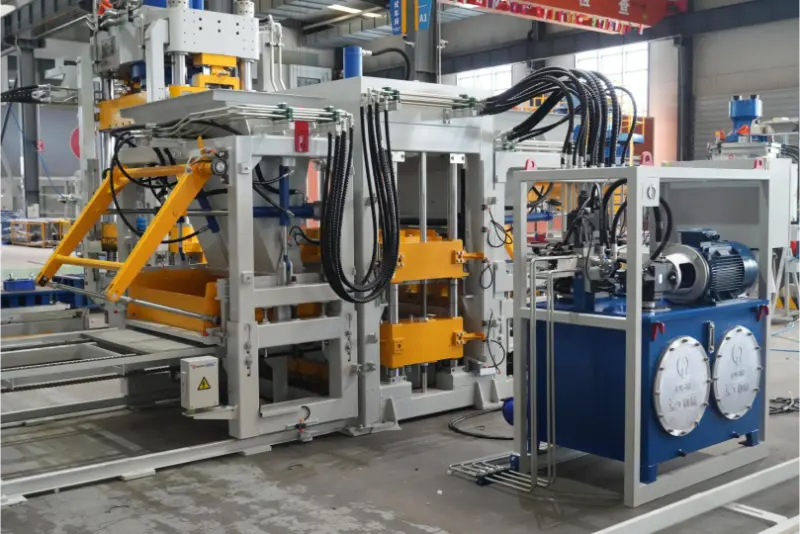
For example, a modern concrete block making machine may incorporate automated material feeding, advanced vibration control, hydraulic systems, PLC control, recipe management, and automated product handling.
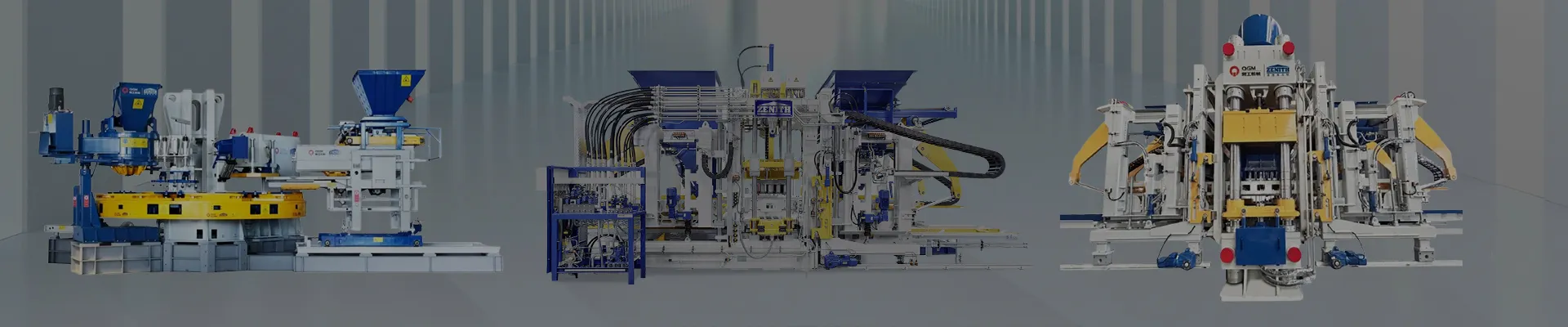
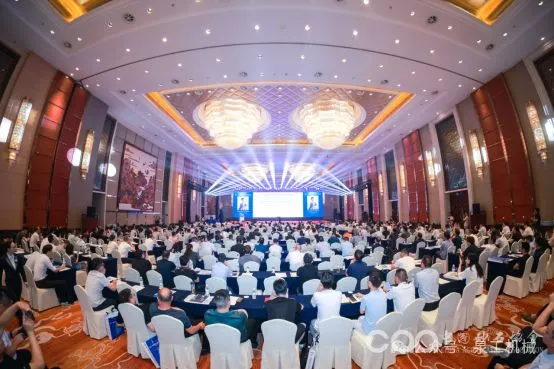
△Global Customer Projects Featuring QGM Automatic Block Machines
These technologies work together to create a more stable production environment.The same principle applies to other industrial sectors:
A modern packaging machine is part of a packaging line.
A modern food-processing machine is part of a processing system.
A modern block making machine is part of a concrete products manufacturing system.
This is why system integration is becoming one of the most important competitive factors in industrial equipment exports.
China has developed one of the world's most extensive manufacturing supply chains.This creates several advantages for industrial equipment manufacturers entering international markets.
A broad network of component manufacturers and engineering suppliers allows equipment manufacturers to integrate mechanical, electrical, hydraulic, and automation technologies efficiently.
Long-term manufacturing experience provides a foundation for developing equipment for different production environments and applications.
Chinese equipment manufacturers can often develop different machine configurations for different production capacities, products, and market requirements.
The competitive advantage of Chinese machinery is increasingly based on the combination of equipment performance, manufacturing efficiency, customization, and service—not simply low purchase prices.
However, global expansion also raises the standard for Chinese manufacturers.International customers expect reliable equipment, clear technical documentation, professional commissioning, spare-parts support, and responsive after-sales service.
Therefore, exporting equipment successfully requires both product competitiveness and international service capability.
Choosing industrial machinery should not be based solely on the initial equipment price.Before making an investment, manufacturers should evaluate at least five factors.
Determine which production processes are automated and which still require manual intervention.
Evaluate actual production requirements rather than focusing only on theoretical maximum output.
Consider whether the equipment can manufacture different product types and accommodate future market requirements.
A machine should work effectively with upstream and downstream equipment instead of becoming an isolated production bottleneck.
Installation, commissioning, operator training, maintenance, spare parts, and technical support should all be considered when evaluating the long-term value of industrial equipment.
For international projects, this last point can be particularly important.A technically advanced machine is only valuable if the customer can operate, maintain, and support it effectively throughout its service life.
Global manufacturing will continue to evolve.Labor availability, production costs, product quality requirements, and market competition will continue to push manufacturers toward greater automation and more efficient production systems.
This creates opportunities for industrial equipment suppliers across multiple sectors.But the competitive landscape is changing.The question is no longer simply:“How can we export more machines?”
A better question is:
“How can our equipment help customers build a more productive and reliable manufacturing operation?”
The concrete block industry offers a clear example.A block making machine can become much more valuable when it is integrated with automated batching, mixing, material handling, curing, palletizing, and intelligent control.
The same principle applies across industrial machinery.The future belongs to equipment manufacturers that can combine engineering expertise, automation technology, system integration, digital capabilities, and long-term technical support.
For companies looking to expand into international markets, industrial equipment remains a promising export sector. But sustainable growth will come from understanding the customer's production challenges—not simply selling another machine.
And for concrete products manufacturers, the transition from a standalone machine to an automated concrete block production line may be an important step toward higher productivity, more consistent quality, and stronger long-term competitiveness.
Industrial machinery related to manufacturing automation, packaging, food processing, agriculture, building materials, and material handling can offer opportunities in international markets. The strongest opportunities are usually associated with clear customer needs, repeatable applications, and long-term production investment.
Industrial automation can help manufacturers reduce repetitive manual operations, improve process consistency, increase production efficiency, and improve equipment monitoring. Its value depends on the specific production process and the level of system integration.
An automatic block making machine is industrial equipment designed to manufacture concrete blocks and other concrete products with automated control of key production processes. It can be integrated into a complete concrete block production line with batching, mixing, conveying, curing, and palletizing systems.
Key considerations include production capacity, product requirements, automation level, mold flexibility, equipment reliability, energy consumption, system integration, installation, operator training, spare-parts availability, and after-sales technical support.
A complete production line allows different stages of manufacturing to work together as an integrated system. This can reduce manual handling, improve production flow, increase process consistency, and make production management more efficient.
-