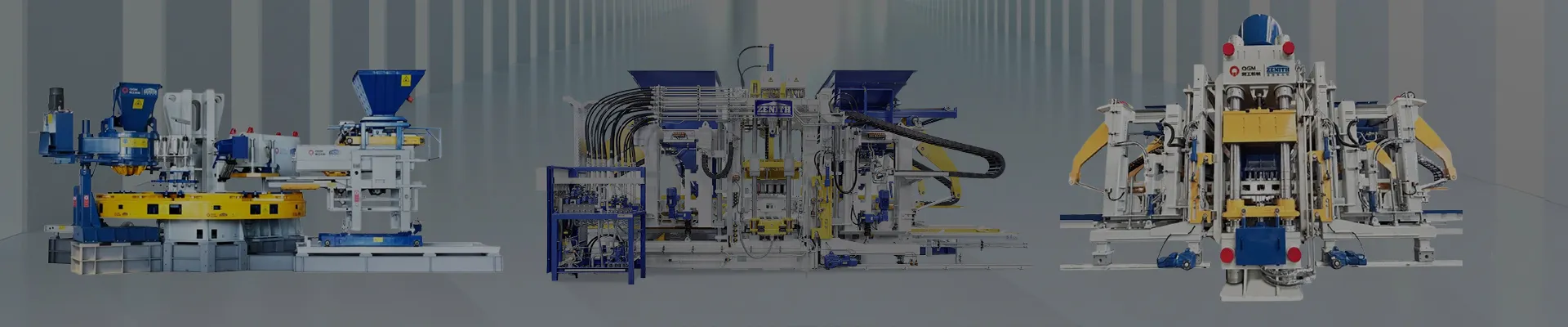
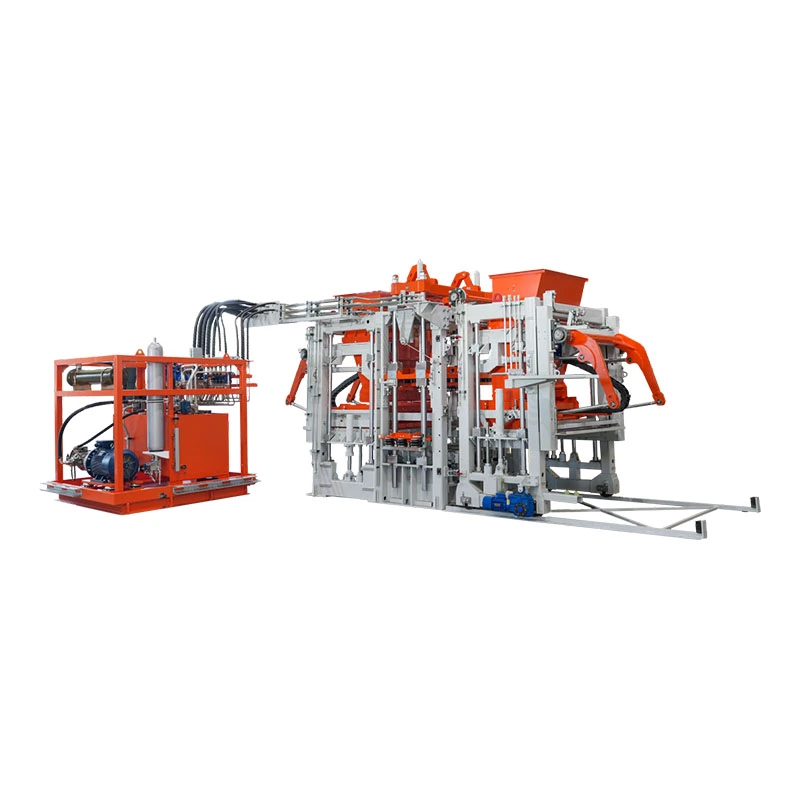
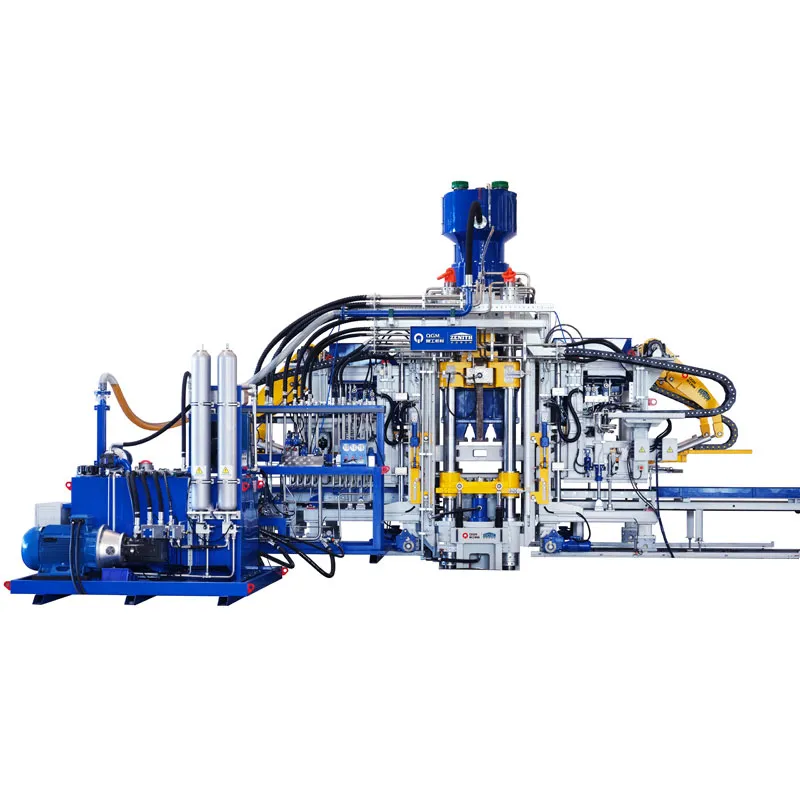
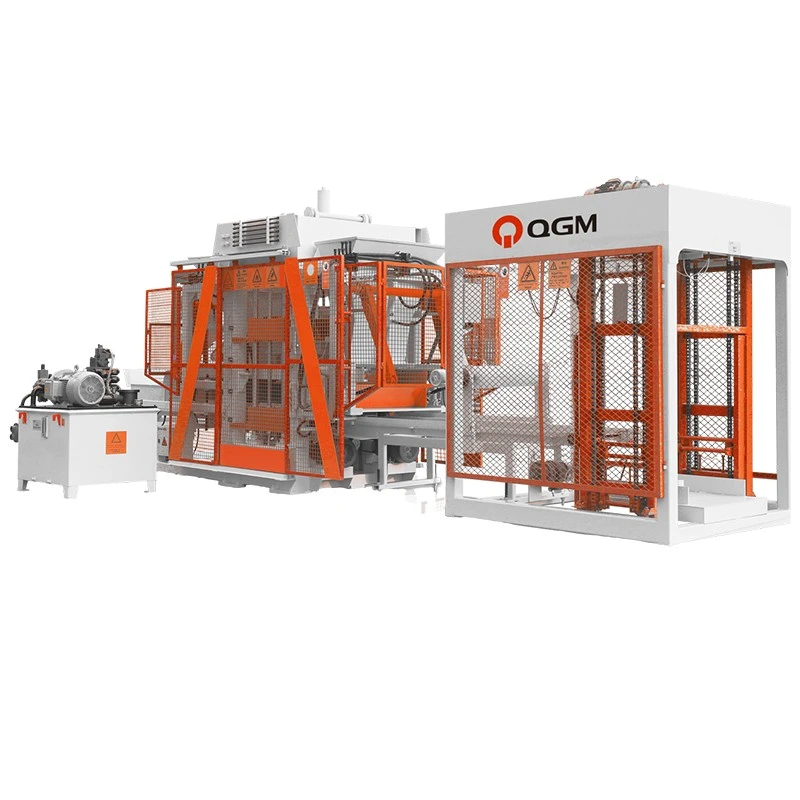
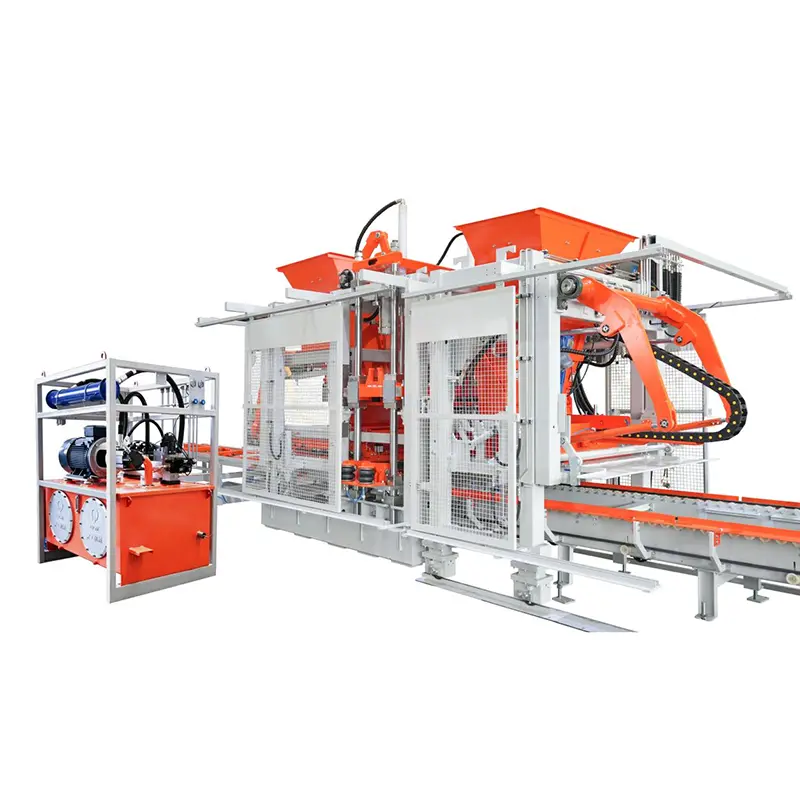
Concrete Block Machine equipment
Investing in the right Concrete Block Machinery is the cornerstone of any profitable masonry operation. Our advanced systems go beyond standard block forming by integrating smart vibratory compaction, hydraulic precision, and automated curing cycles to produce uniform, high‑strength units every cycle. As a complete solution, the well‑engineered Concrete Block production line links batching, mixing, conveying, molding, and cubing into one seamless workflow – drastically reducing labor and boosting daily output. Whether you are expanding an existing plant or starting from scratch, our range of Concrete Block equipment delivers the reliability you need to meet strict building codes. Many operators also utilize the flexible Concrete Brick Making Machine configuration to effortlessly switch between solid bricks, hollow blocks, and paving stones on the same frame, maximizing return on investment with a single capital outlay.
Concrete Block Machine equipment exemplifies engineering rigor designed for heavy‑duty production environments. Every model is constructed around a rigid steel frame with vibration‑isolated joints, ensuring dimensional accuracy across millions of cycles. The electro‑hydraulic drive system permits precise control of feed, compaction, and stripping speeds, while the PLC‑based control panel stores multiple curing recipes for different aggregate blends. Below are the technical specifications and key performance metrics that define the equipment’s daily productivity.
- Pallet size: 900 × 550 mm (standard), optional up to 1100 × 700 mm
- Cycle time: 12 – 18 seconds, depending on product height and compaction
- Hydraulic pressure: 21 MPa, with proportional valve for multi‑stage compaction
- Vibration: Twin‑shaft synchronous vibrator, 50 – 65 Hz, adjustable amplitude
- Installed power: 35 – 60 kW, 380‑415 V / 50 Hz, fully wired with overload protection
- Mold material: Case‑hardened steel with bolt‑on wear plates, quick‑change design
- Control system: Siemens PLC with 7″ color touchscreen, recipe memory for 100+ products
- Feeding arrangement: Proportional belt weigher or skip hoist, synchronized with mixer cycle
- Safety guards: Interlocked perimeter fencing, emergency stops, and light curtains on pallet conveyor
| Parameter | Value | Unit |
|---|
| Daily output (8 hours) – standard 200 mm blocks | 28,800 – 38,400 | pcs |
| Maximum block height | 250 | mm |
| Paving stone production rate | 120 – 180 | m²/day |
| Oil tank capacity | 400 | liters |
| Noise level at operator station | ≤ 82 | dB(A) |
| Machine weight (approximate) | 12,500 | kg |
| Compressive strength of finished block (after 28‑day cure) | ≥ 25 | MPa |
The Concrete Block Machine equipment incorporates a modular wet‑side handling system that stacks fresh products directly onto curing racks without manual intervention. After chamber curing, dry‑side cubing and strapping stations prepare the final packs for forklift transport. With twin‑shaft vibration technology and independent adjustment of pre‑vibration, main vibration, and post‑vibration phases, the equipment achieves consistent density distribution even for hollow blocks with thin webs. Built for continuous three‑shift operation, all wear components are designed for rapid replacement, minimizing downtime. The equipment’s open‑architecture design further allows integration with automatic pallet cleaning, brush units, and inline color dosing systems, giving plant managers the flexibility to scale production as market demand evolves.