Southeast Asia is building at an extraordinary pace. New residential districts, industrial parks, highways, drainage networks, commercial developments, and urban renewal projects are reshaping cities across Indonesia, Vietnam, the Philippines, Malaysia, Thailand, and other rapidly developing markets.
Demolished concrete, broken masonry, reclaimed aggregates, excavated mineral materials, and industrial by-products are often transported away as waste. For contractors and material producers, this can mean additional handling, transportation, disposal, and landfill costs.Yet the same materials can represent an underused resource.
With appropriate processing, grading, mix design, and concrete product technology, selected construction and industrial residues can be incorporated into new paving and masonry products. This changes the business model from simply disposing of construction waste to recovering material value.That is where modern block making technology can make a difference.
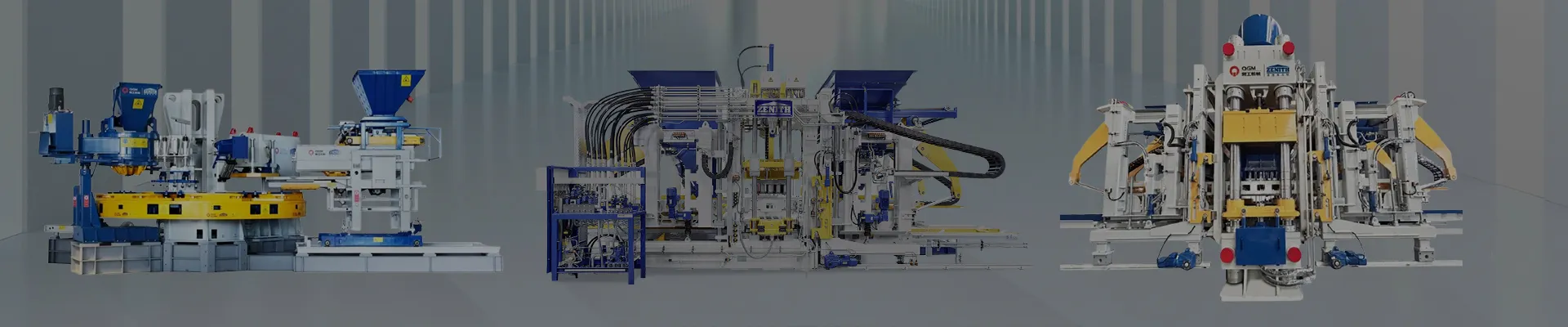
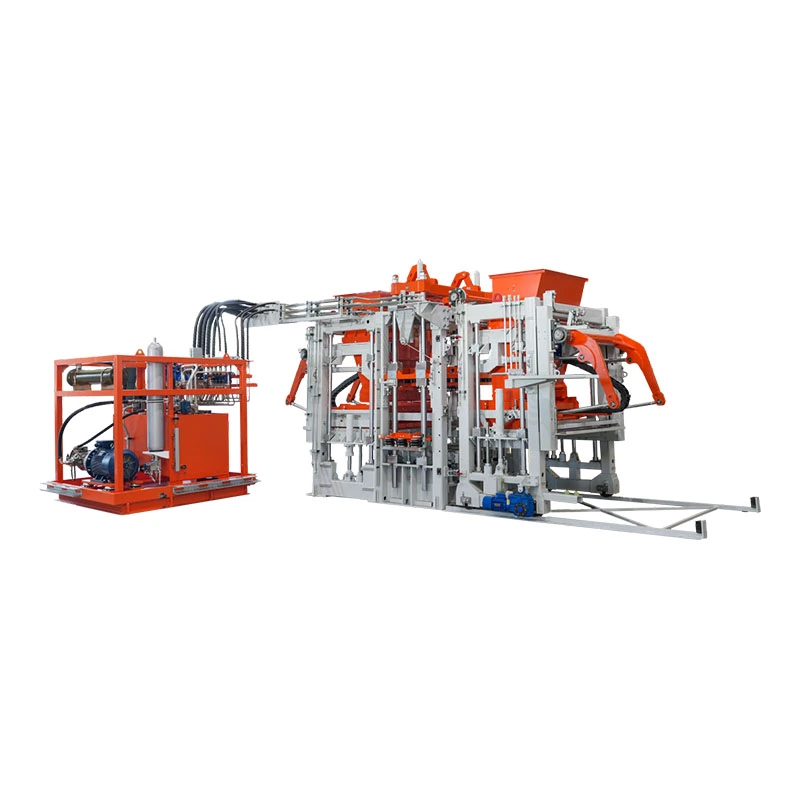
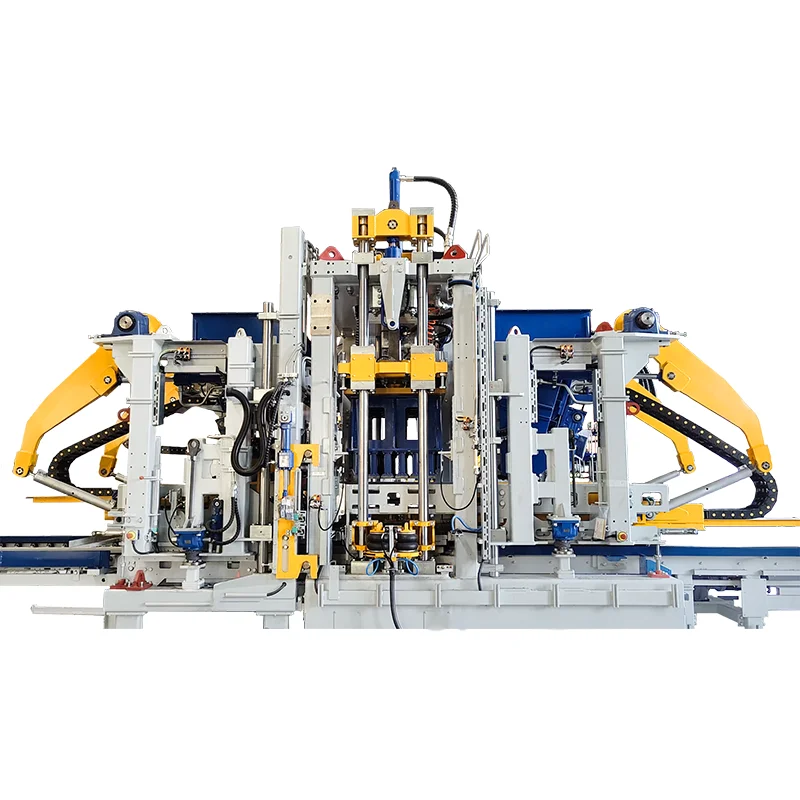
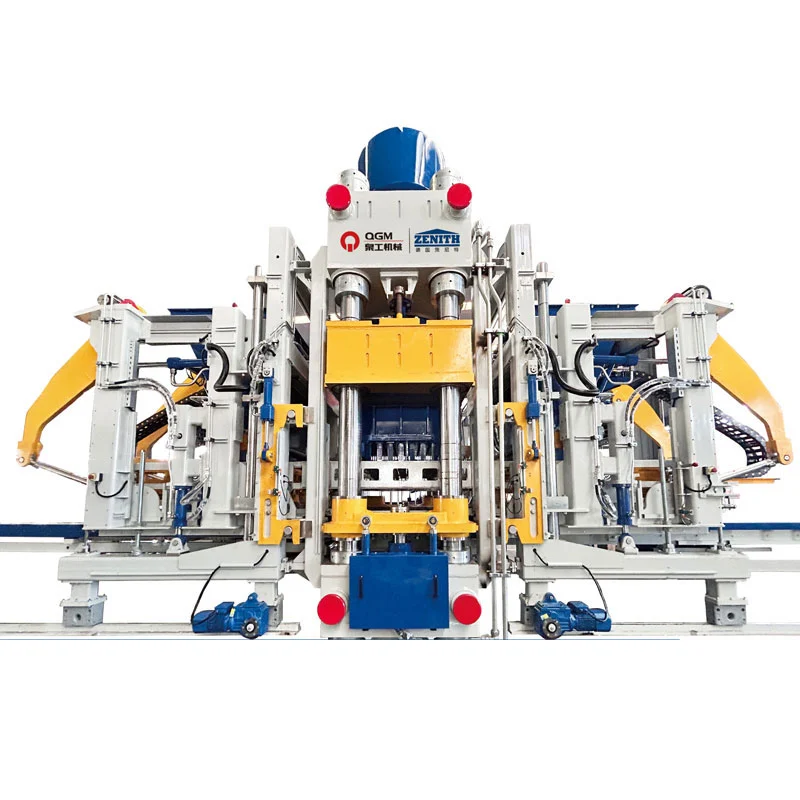
△QGM Block Making Machines for Construction Waste Recycling Projects
A common approach to construction waste is to focus on removal: collect it, transport it, and find somewhere to dispose of it.A more forward-looking approach asks a different question:Can part of this material be recovered and returned to the construction cycle?
For Southeast Asian producers, the answer can be particularly attractive when suitable recycled aggregates are available close to the production site. Local material recovery can reduce dependence on virgin aggregates and create additional opportunities for manufacturing concrete products.
Depending on local material characteristics, processing requirements, and applicable construction standards, a wide range of construction and industrial waste materials can be processed into suitable secondary raw materials for concrete products and block manufacturing, including:
●Recycled concrete aggregates (RCA)
●Crushed demolition concrete and concrete waste
●Selected masonry and demolition waste
●Fly ash and other mineral-based residues
●Steel slag and furnace slag
●Mining, quarrying, and stone-processing residues
●Other suitable mineral-based industrial by-products
The objective is not to place untreated waste directly into a concrete mix. Material characterization, crushing, screening, grading, moisture control, and mix optimization remain essential parts of a reliable construction waste recycling process.
Once the recycled material has been properly prepared, a suitable block making machine can become the next link in the value chain.
The value of recycling is realized when recovered material can be converted into products that have a clear market.
QGM provides automated concrete product manufacturing solutions designed around this principle. Instead of treating recycled aggregates as an isolated environmental initiative, producers can integrate them into a broader manufacturing strategy.
A properly configured concrete block making machine can manufacture different concrete products by changing molds, mix formulations, and production parameters.This flexibility allows one production platform to serve multiple market segments rather than relying on a single product.
Depending on the project requirements, potential products include:
●Concrete paving blocks
●Interlocking pavers
●Kerbstones
●Grass pavers
●Permeable paving blocks
●Drainage-related concrete units
●Masonry blocks
●Landscape products
●Municipal paving products
This is particularly relevant in Southeast Asia, where urban expansion and infrastructure development create demand across roads, residential developments, industrial facilities, parking areas, public spaces, and landscaping projects.
Recycled aggregates are not identical to conventional virgin aggregates.Their particle shape, grading, water absorption, moisture content, and surface characteristics can vary according to the original material and processing method. These differences can influence concrete workability, compaction behavior, product density, and final quality.
For this reason, purchasing a brick making machine or paving block making machine for recycled-material production should not be based solely on nominal production capacity.
The complete production system needs to work with the characteristics of the available raw materials.
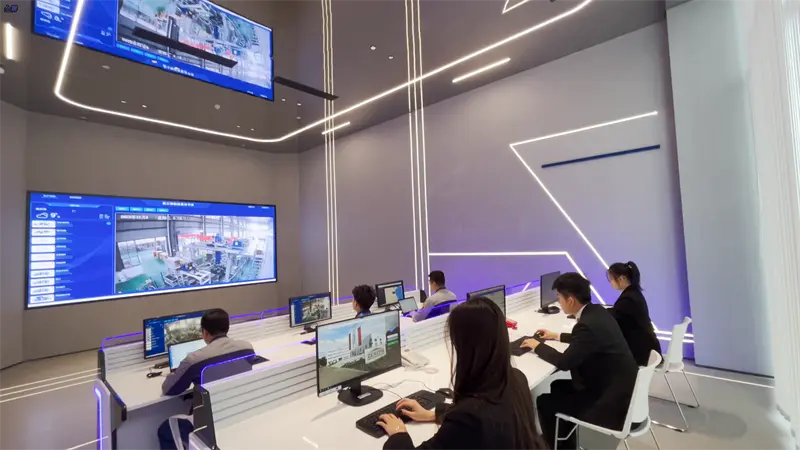
QGM solutions combine automated control, hydraulic forming, vibration technology, mold systems, and production management to provide controlled forming conditions. When integrated with an appropriate upstream recycling and aggregate preparation process, the equipment can help manufacturers establish more repeatable production.
The goal is straightforward:Turn variable recovered materials into consistent commercial products.
The strongest opportunity is often not simply producing more blocks. It is producing the right products for local infrastructure demand.
Interlocking concrete pavers can be used for sidewalks, pedestrian areas, driveways, industrial yards, parking areas, and selected road applications.
For manufacturers located close to urban redevelopment projects, recycled aggregate can potentially become part of a locally sourced paving-product strategy.
Heavy seasonal rainfall creates additional pressure on drainage systems throughout Southeast Asia.
Permeable paving products can support surface-water management by allowing water to infiltrate through appropriately designed pavement systems. They can be considered for parking areas, walkways, public plazas, residential developments, and landscape projects where the overall pavement design permits infiltration.
For manufacturers, this creates an opportunity to combine construction waste recycling with products aligned with growing demand for resilient urban infrastructure.
Housing projects, commercial complexes, warehouses, and industrial parks require large quantities of concrete products.
A flexible concrete paving block machine or block production line can allow manufacturers to serve several customer groups without building completely separate production systems for every product type.
Grass pavers, landscape blocks, kerbstones, and decorative paving products can extend the market beyond conventional masonry.
This product diversification can be particularly valuable when recycled aggregate is available locally and the producer wants to develop additional revenue streams from the same manufacturing platform.
The business case for recycling construction waste is broader than replacing virgin aggregate.
When suitable recycled materials are sourced locally, producers may also have opportunities to reduce:
●Long-distance aggregate transportation
●Dependence on external material suppliers
●Waste hauling and disposal requirements
●Exposure to fluctuations in virgin aggregate availability
●Material losses during construction and demolition
For island markets and geographically remote projects, logistics can be especially important. If suitable recovered material is available near the production site, shortening the material supply chain can become a meaningful operational advantage.
However, the actual economic benefit depends on local aggregate prices, transportation costs, waste-processing requirements, product specifications, and market demand.That is why a successful recycling project should be evaluated as a complete production economics model, rather than simply as a waste-management project.
One of the biggest advantages of modern automatic block making equipment is production flexibility.
A manufacturer does not necessarily need to remain focused on one concrete product throughout the life of the plant. With suitable molds and production configurations, the same platform can potentially manufacture different products for different market segments.
This creates a practical pathway:Construction & Demolition Waste → Material Recovery → Aggregate Processing → Concrete Mixing → Automated Block Forming → Curing → Finished Products → Local Infrastructure
The closer these stages can be coordinated, the greater the potential to build a localized circular construction-material supply chain.
For producers, this means the value of a block making machine should be considered over its entire production lifecycle—not simply by its initial purchase price.
Recycling construction waste is not a one-machine decision.
The performance of the final production line depends on raw-material characteristics, aggregate preparation, batching and mixing, forming technology, curing conditions, molds, automation, product standards, and operator capability.
For this reason, equipment manufacturers with experience in concrete product production can provide value beyond supplying a machine.
QGM focuses on integrated block production solutions, helping customers evaluate production requirements and select equipment configurations according to raw materials, product types, capacity targets, and local operating conditions.
For projects involving recycled aggregates, this system-level approach is particularly important because the objective is not simply to process waste.The objective is to create a reliable production system that turns recovered material into products customers are willing to buy.
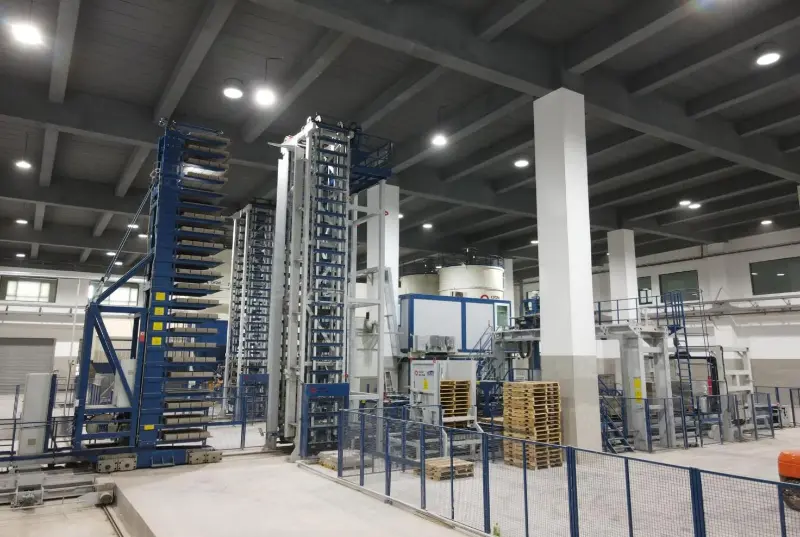
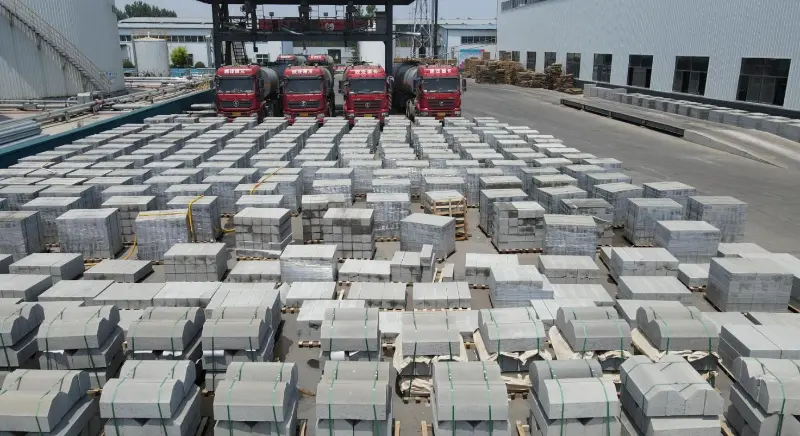
△QGM Block Making Machines Convert Construction and Demolition Waste into Concrete Blocks
Southeast Asia's construction boom will continue generating both infrastructure demand and material waste.
The companies best positioned for the next stage of the market may not be those that simply consume more virgin resources. They may be the producers capable of recovering suitable materials, controlling production quality, and converting locally available resources into competitive concrete products.
With the right recycling process and a properly configured QGM block making machine, construction waste can move through a different lifecycle:from demolition material → to recycled aggregate → to concrete product → to infrastructure application.
That is more than waste reduction.It is a practical approach to resource efficiency, local manufacturing, and circular construction.
Are you evaluating a construction waste recycling project, recycled aggregate production line, or new concrete block making machine for Southeast Asia?
QGM can help assess your raw materials, product requirements, production capacity, and plant configuration to develop a suitable block production solution.
Contact QGM to discuss your project and explore how recovered construction materials can be transformed into marketable concrete products.
1. Can construction waste be used to make concrete blocks?
Yes, selected processed construction and demolition materials can potentially be incorporated into concrete products. The material must first be properly processed, graded, and evaluated to determine its suitability for the intended product and applicable standards.
2. What construction waste can be used in a block making machine?
Potential materials include processed recycled concrete aggregate, selected masonry waste, fly ash, slag, mining residues, and other suitable mineral-based industrial by-products. Actual suitability depends on material composition, grading, moisture, contamination levels, and product requirements.
3. Can a paving block making machine produce products for drainage applications?
Yes. With appropriate molds and mix designs, block production equipment can manufacture products such as permeable pavers and other concrete units used in drainage and water-management applications. Product design must be matched to the specific engineering requirements of the project.
4. Is a recycled aggregate block production line economically viable in Southeast Asia?
It can be, particularly where construction waste is readily available and virgin aggregates or transportation are relatively expensive. The economics should be evaluated using local material costs, waste-processing expenses, logistics, equipment investment, production capacity, and finished-product demand.
5. How can I choose the right block making machine for recycled materials?
Start with the raw material characteristics and target products rather than machine capacity alone. QGM can evaluate factors such as recycled aggregate properties, product dimensions, required capacity, automation level, mold configuration, and local operating conditions to help develop a suitable production solution.
-