News

How to Choose Concrete Block Molds: A Guide to Mold Selection and Machine Matching

2026-10-09 0 Leave me a message

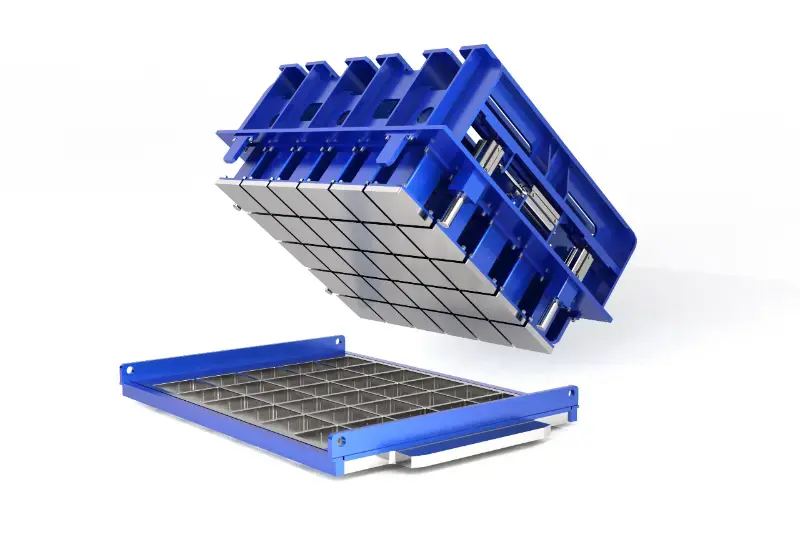
In concrete block manufacturing, many producers focus primarily on the block making machine, production capacity, and automation level, while overlooking a component that directly affects product quality and production efficiency—the concrete block mold.

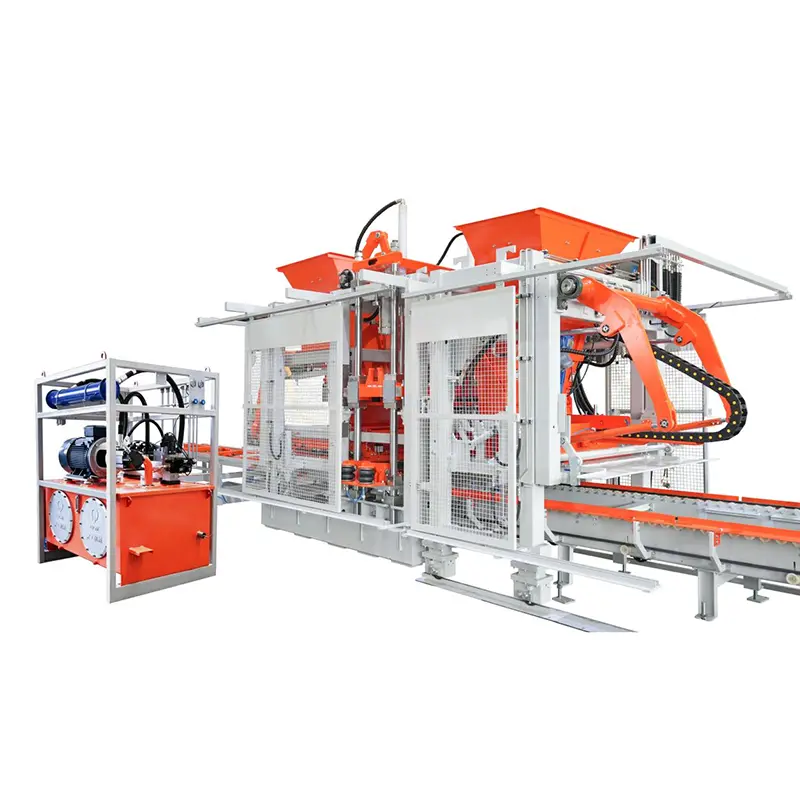
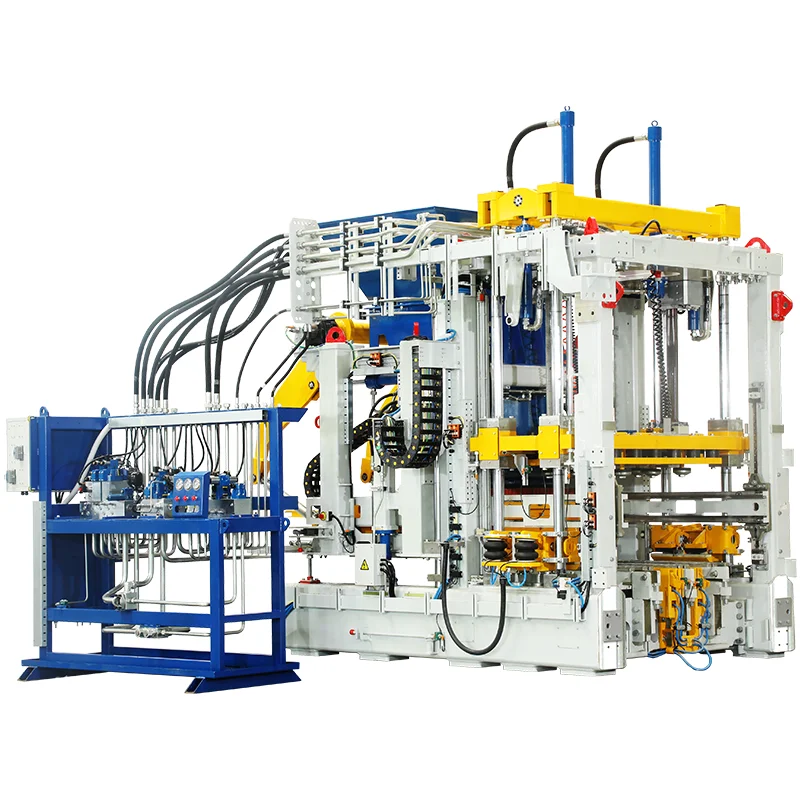
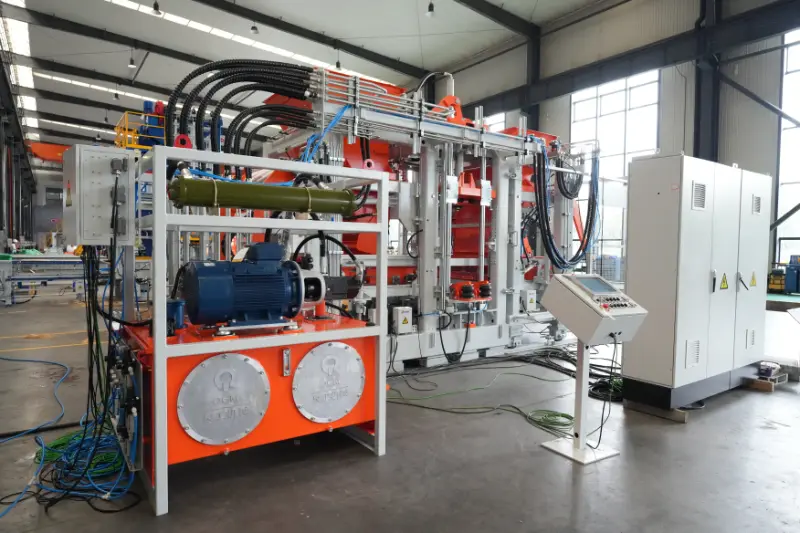
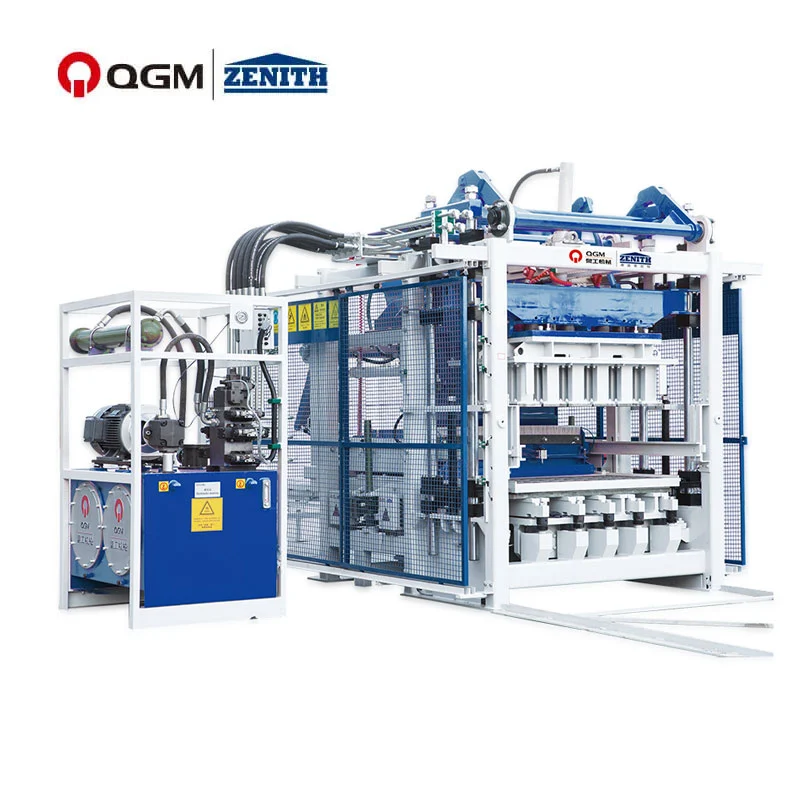
concrete block machine

In fact, the same concrete block machine can produce different types of concrete products simply by changing the mold, including hollow blocks, solid blocks, paving blocks, curbstones, grass pavers, and slope protection blocks. Therefore, for companies planning to build a new block plant, expand their product range, or upgrade an existing concrete block production line, the mold should not be treated as a simple accessory. It is a critical production component that connects the block making machine with the final product quality.

So, what factors should be considered when selecting a concrete block mold?

1. Define the Product Type Before Selecting the Block Mold

The first step in selecting a concrete block mold is to determine what products the plant intends to manufacture. Common concrete products include:

● Hollow blocks

● Solid blocks

● Concrete paving blocks

● Curbstones

● Grass pavers

● Slope protection blocks

● Other special-format concrete products

Different products require different mold structures, cavity designs, wall thicknesses, and forming methods. For example, hollow block production requires careful consideration of cavity configuration, wall thickness, and overall product structure. Paving block production, meanwhile, places greater emphasis on dimensional accuracy, surface finish, texture, and visual consistency.

Therefore, before purchasing a block machine mold, producers should first define their target market and product positioning, then select the appropriate mold according to the required product specifications.

2. Product Dimensions Should Reflect Local Market Requirements

The standard dimensions of concrete blocks are not necessarily the same across different countries and regions. Even for hollow blocks, length, width, height, cavity configuration, and wall thickness may vary according to local building standards, construction practices, and market requirements.

For this reason, concrete block molds should not be selected simply according to a so-called “standard size.” Instead, the selection should take into account:Product specifications + machine model + blocks per mold + target production capacity.

If a producer plans to manufacture multiple sizes of concrete products in the future, it can be beneficial to select an automatic block production line with flexible mold-change capabilities. By using different molds, the same production system can manufacture a wider range of products, improving equipment utilization and market flexibility.

3. Mold Material and Heat Treatment Directly Affect Service Life

A block mold is not an ordinary metal component. During continuous production, it is repeatedly exposed to aggregate impact, machine vibration, compression forming, and demolding forces. As a result, mold material, manufacturing processes, and heat treatment all have a direct impact on mold service life.

A reliable concrete block mold should generally provide:

● Good wear resistance

● Sufficient structural strength

● Stable dimensional accuracy

● Good fatigue resistance

● Appropriate heat treatment

Particularly in high-frequency, continuous-production environments, insufficient mold wear resistance can eventually result in cavity wear, dimensional changes, and declining product quality. For projects using high-hardness aggregates or recycled solid waste materials, mold wear resistance deserves even greater attention.

4. Mold Manufacturing Accuracy Affects Block Quality and Consistency

When selecting a concrete block machine, many buyers focus first on the main machine's vibration system, hydraulic system, and rated production capacity. However, mold manufacturing accuracy can also have a direct impact on the final product.

The mold determines not only the dimensions and cavity configuration of the concrete block, but also affects how the concrete mix is distributed within the mold cavities and how the product is formed. Higher mold precision generally helps maintain:Dimensional consistency, edge accuracy, cavity precision, and surface quality.

For an automated concrete block production line, mold accuracy can also influence material feeding, vibration forming, demolding, and subsequent palletizing processes.


5. The Mold Must Be Precisely Matched to the Block Making Machine

A mold is not suitable simply because its dimensions appear compatible. Different block making machines may have different mold dimensions, mounting methods, forming spaces, and structural configurations.

When confirming a mold solution, buyers should verify the following parameters:

● Whether the overall mold dimensions match the machine

● Whether the mold mounting method is compatible

● Whether the forming height meets product requirements

● Whether the number of blocks produced per mold meets the target capacity

● Whether the mold weight is suitable for the machine

● Whether demolding can be performed smoothly

● Whether mold replacement is convenient

If the machine and mold are not properly matched, even a high-quality mold may affect normal machine operation, reduce production efficiency, or cause fluctuations in product quality.

6. Why Choose a Professional Concrete Block Mold Manufacturer?

For companies engaged in long-term concrete product manufacturing, the mold is a critical production component that continuously participates in the forming process rather than simply an auxiliary accessory. Mold design, material selection, and manufacturing precision can all affect product quality, production efficiency, and long-term operating costs.

QGM, for example, has professional R&D and manufacturing capabilities for concrete block molds and can develop mold solutions according to different block making machine models, product specifications, and production processes.

From mold structural design and material selection to machining and heat treatment, the mold can be optimized according to different products and actual operating conditions, helping producers achieve more consistent forming performance and a more reasonable mold service life.

The mold solutions can support the production of various concrete products, including:

● Hollow blocks

● Solid blocks

● Concrete paving blocks

● Curbstones

● Grass pavers

● Slope protection blocks

● Other special-format concrete products

For projects requiring special dimensions, cavity configurations, or product structures, mold design and customization can also be developed according to customer product drawings, target market requirements, and existing machine parameters.

7. Configure Multiple Molds to Increase Production Line Flexibility

For companies that already operate a concrete block production line, mold selection affects not only what products can be manufactured, but also how many product types the production system can accommodate.

For example, if the same automatic block making machine can quickly switch between different molds according to market demand, producers can manufacture different types and sizes of concrete products without replacing the entire production system.

From a practical selection perspective, the process can be structured as follows:Define the target product → Confirm product specifications → Match the block making machine → Select mold material → Verify manufacturing accuracy → Validate production capacity.

If the producer plans to expand its product range in the future, different mold configurations can be planned in advance to improve equipment utilization and production flexibility.

8. Do Not Compare Concrete Block Molds by Purchase Price Alone

Mold purchase price is certainly an important consideration, but comparing only the initial price can easily overlook long-term operating costs. A lower-priced mold with insufficient wear resistance or inconsistent manufacturing accuracy may require more frequent replacement and can also affect product quality and production efficiency.

Therefore, when selecting a block machine mold, producers should consider:

● Mold purchase cost

● Service life

● Wear resistance

● Manufacturing accuracy

● Machine compatibility

● Mold-change efficiency

● Product forming quality

● Long-term maintenance costs

For continuous-production concrete product manufacturers, the most cost-effective mold is not necessarily the one with the lowest purchase price. Instead, it is the mold that can maintain stable performance throughout its service life.

The Right Mold Is the Foundation of Stable Concrete Block Production

Selecting a concrete block mold should not be viewed simply as choosing a metal mold that can be installed on a machine. A properly engineered mold solution needs to consider product type, product dimensions, machine model, mold material, manufacturing accuracy, production capacity, and long-term operating costs.

For producers manufacturing hollow blocks, solid blocks, paving blocks, curbstones, grass pavers, and other concrete products, a mold that is precisely matched to the machine can help improve dimensional and visual consistency while increasing the product flexibility and overall utilization of the concrete block production line.

Therefore, when selecting a block machine mold, it is advisable to evaluate four key areas together: product requirements, machine compatibility, mold performance, and long-term cost. Through appropriate mold design and precise machine matching, the same concrete block production system can support a wider range of products and provide a more reliable foundation for efficient and stable concrete product manufacturing.

FAQ

1.How do I choose the right concrete block mold for my products?

The right concrete block mold should be selected based on the product type, dimensions, required cavity configuration, target production capacity, and the specifications of the block making machine. Common applications include hollow blocks, solid blocks, concrete paving blocks, curbstones, grass pavers, and slope protection blocks.

2.Why is mold precision important for concrete block production?

Mold manufacturing accuracy directly affects block dimensions, cavity accuracy, edge quality, surface finish, and product consistency. For automated concrete block production lines, precise molds can also support more stable material feeding, vibration forming, demolding, and palletizing.

3.How should a concrete block mold be matched with a block making machine?

The mold should be matched according to the machine's overall mold dimensions, mounting method, forming height, mold weight, production capacity, and demolding requirements. Proper machine-mold compatibility helps maintain stable equipment operation and consistent concrete block quality.

4.What materials and properties should a high-quality block machine mold have?

A reliable block machine mold should provide good wear resistance, sufficient structural strength, stable dimensional accuracy, fatigue resistance, and appropriate heat treatment. These properties are particularly important for continuous production and applications using high-hardness aggregates or recycled solid waste materials.

5.Can one concrete block production line use different molds to produce different products?

Yes. A suitably designed concrete block production line can use different molds to manufacture products such as hollow blocks, solid blocks, paving blocks, curbstones, grass pavers, and slope protection blocks. Using multiple compatible molds can increase equipment utilization and production flexibility without replacing the entire production line.

Related News
Leave me a message
X
We use cookies to offer you a better browsing experience, analyze site traffic and personalize content. By using this site, you agree to our use of cookies. Privacy Policy
RejectAccept