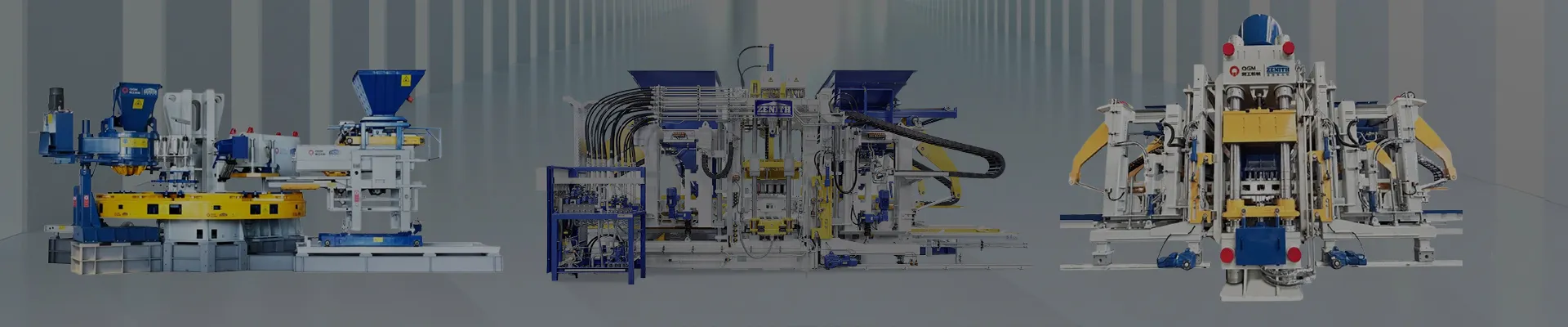
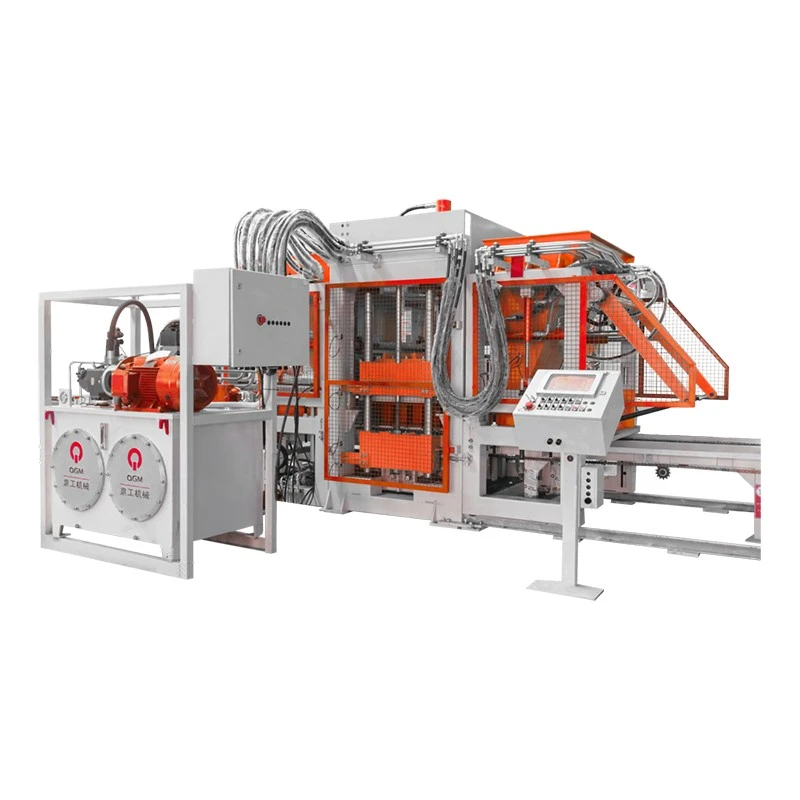
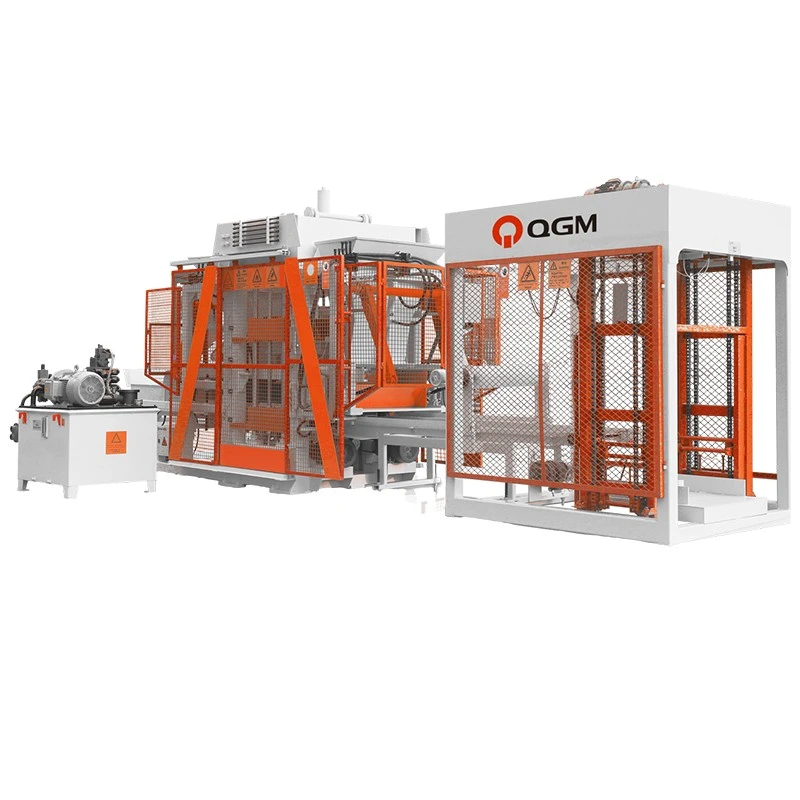
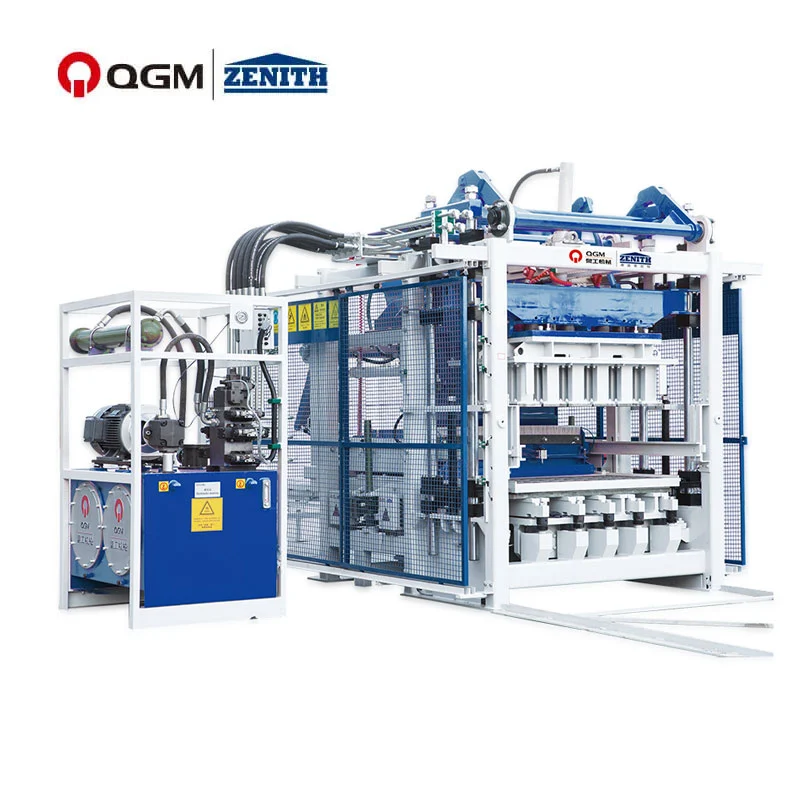
The standard brick forming machine (also known as a non-fired brick machine or concrete block forming machine) is a high-tech, modern building materials production equipment integrating mechanical, hydraulic, and electrical control. This equipment primarily uses industrial solid waste or natural aggregates such as fly ash, river sand, gravel, stone powder, coal gangue, slag, and construction waste as raw materials, adding a small amount of cement. Through a process combining hydraulic pressure and high-frequency vibration, the mixture is pressed into standard bricks, porous bricks, hollow blocks, and other new wall materials.
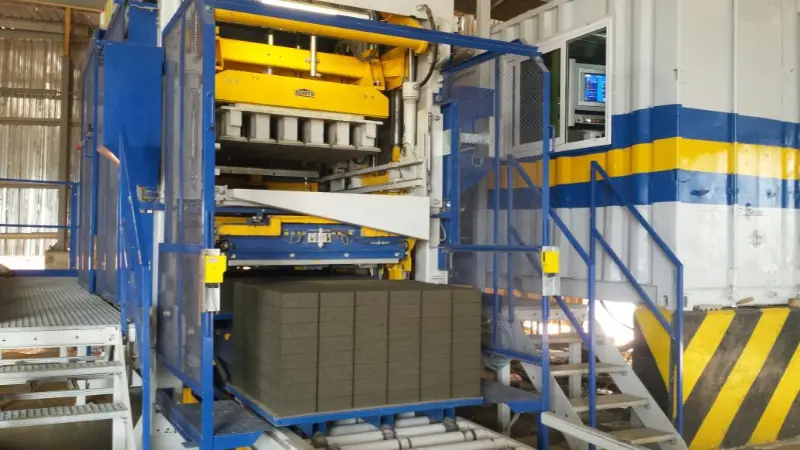
A solid brick forming machine is a specialized piece of equipment used to continuously produce high-density solid bricks from raw materials such as cement, fly ash, slag, or clay through vibration compression or vacuum extrusion processes. Solid brick forming machines are mainly divided into two categories: hydraulic vibration forming (for non-fired bricks) and vacuum extrusion forming (for sintered bricks). They are specifically designed for manufacturing high-strength solid bricks, blocks, and other load-bearing structural building materials. This equipment uses hydraulic static pressure forming technology, compacting a mixture of cement, sand, gravel, and construction waste in a mold using a 32MPa high-pressure system, ensuring a brick density ≥95% and a compressive strength of MU20 or higher. A dual-axis synchronous vibration device eliminates internal air bubbles at a frequency of 3000 times/minute; the rapid demolding system uses a hydraulic ejection structure, with a demolding time ≤5 seconds.
The Grass Paver Permeable Molding Machine is a type of brick-making machinery specifically designed for ecological slope protection and river management projects. Its core function is to manufacture grass-planted slope protection blocks with a perforated structure. This equipment utilizes hydraulic vibration synchronous molding technology. Through a core tube system built into the mold, regular holes with a diameter of 30-50mm are formed inside the block, with a porosity controlled between 18% and 22%. During production, the equipment uses a servo-controlled material distribution system to evenly fill the mold with C30 concrete and 5-8mm graded crushed stone in a 7:3 ratio. Then, it completes the compaction process with 10MPa static pressure combined with 4000 vibrations per minute. Its technological advantages include: a rapid demolding system with a core tube shrinkage time ≤3 seconds, ensuring smooth and undamaged inner walls of the holes; and an intelligent temperature control module that uses 60℃ steam curing for 12 hours, resulting in a 28-day compressive strength ≥MU15 for the blocks, and a mass loss rate of <5% after 50 freeze-thaw cycles (-25℃ to room temperature).
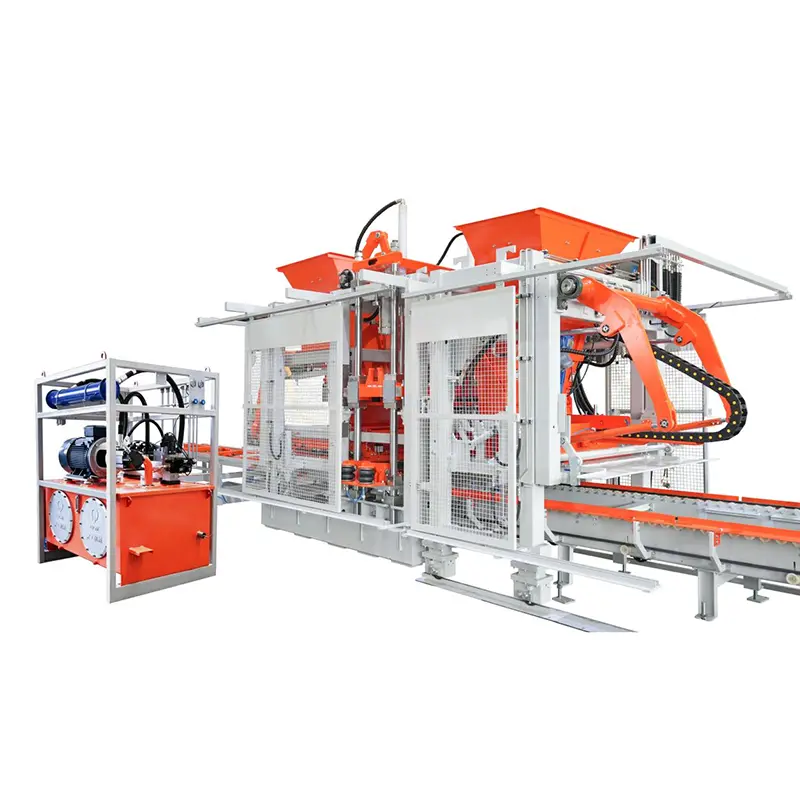
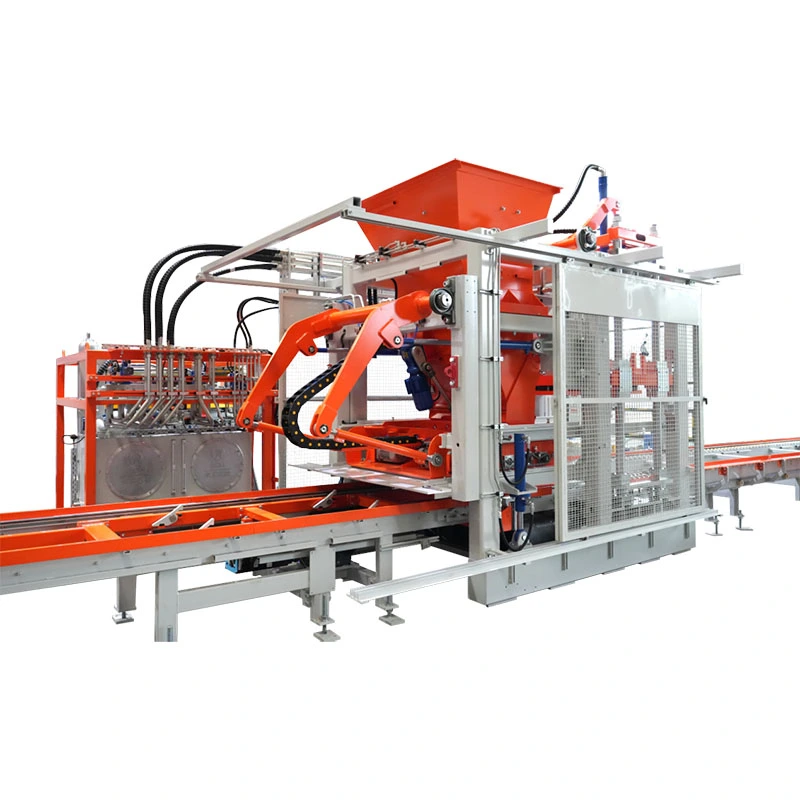
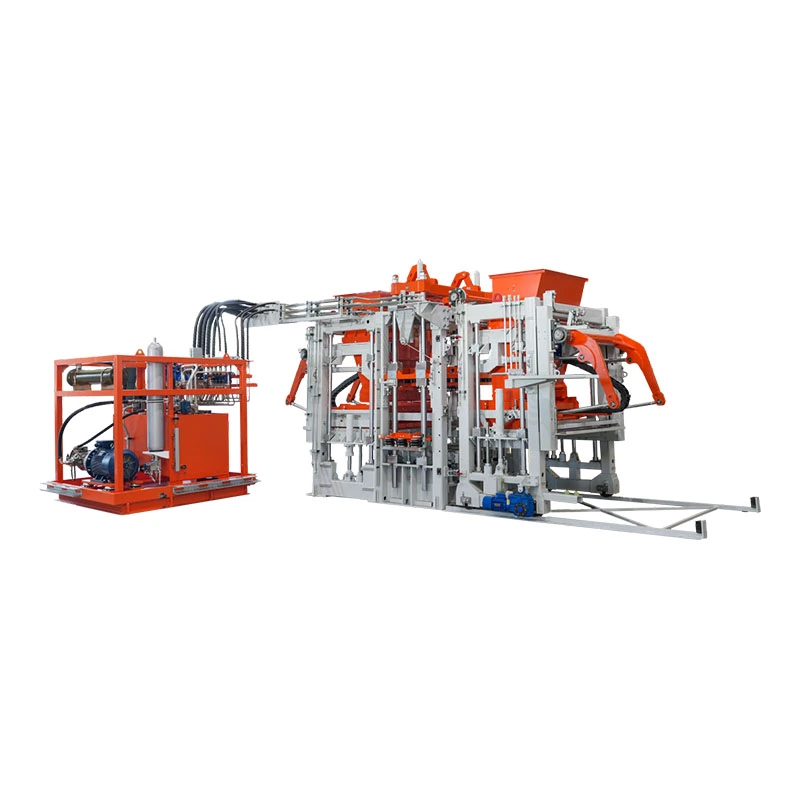
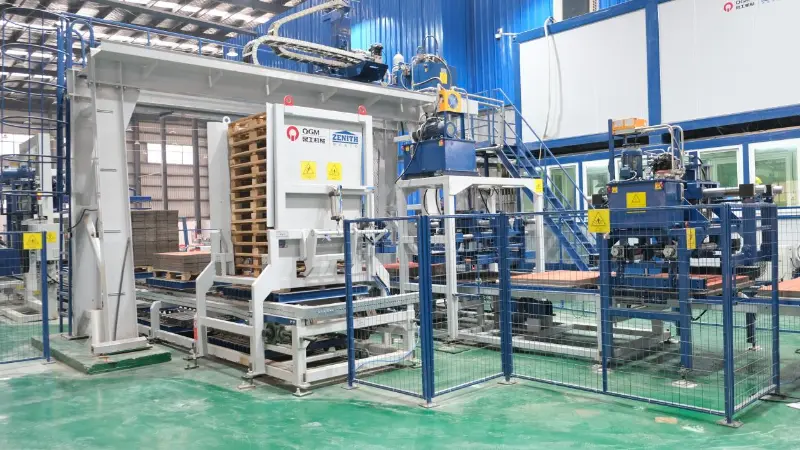
The Fully Automatic Brick Block Forming Machine is a core intelligent piece of equipment in the building materials industry used to produce concrete blocks, paving bricks, and other products. It integrates mechanical, hydraulic, electrical, and intelligent control systems, automatically processing raw materials such as cement, sand, gravel, and construction waste into bricks of various specifications. This equipment typically employs static pressure forming or vibration forming processes, using high pressure to compact the mixture in a mold. Its core components include a storage silo, a feeding system, a hydraulic pressing system, a mold system, and an intelligent control panel. During operation, raw materials are automatically batched and fed into the feeding system, evenly filling the mold. The hydraulic system then applies high pressure to form the material, which is then automatically demolded and transported to the stacking area.
The road paving block forming machine is a core piece of equipment in municipal construction and environmentally friendly building materials production, specifically designed for producing concrete paving bricks, curb stones, grass pavers, and other bricks. The working principle of this type of brick-making equipment relies primarily on two technical modules: a vibration compaction system and a mold forming system. A vibrating motor generates high-frequency vibrations that rearrange concrete particles and expel air, while a hydraulic device applies vertical pressure to ensure the brick blank reaches the predetermined strength. Simultaneously, the equipment employs hydraulic static pressure forming technology, with a forming pressure exceeding 8MPa, ensuring the brick's density and compressive strength. A single mold can produce 24 standard bricks (240×115×53mm), with a forming cycle of 15-20 seconds and a daily output of up to 47,000 bricks. Through a quick mold-changing system, it can adapt to various sizes from 250×250×50mm to 1000×600×120mm, covering types such as sidewalk bricks, driveway bricks, and interlocking bricks.
The brick machine production line is a production line used to produce various brick-shaped products. It mainly includes brick machines, hoppers, mixers, conveyor belts, molds and accessories and other equipment. Its working principle is to send raw materials (such as cement, sand, gravel, etc.) to the mixer via a conveyor belt for mixing, and then send the mixture to the extruder.
We use cookies to offer you a better browsing experience, analyze site traffic and personalize content. By using this site, you agree to our use of cookies.Privacy Policy