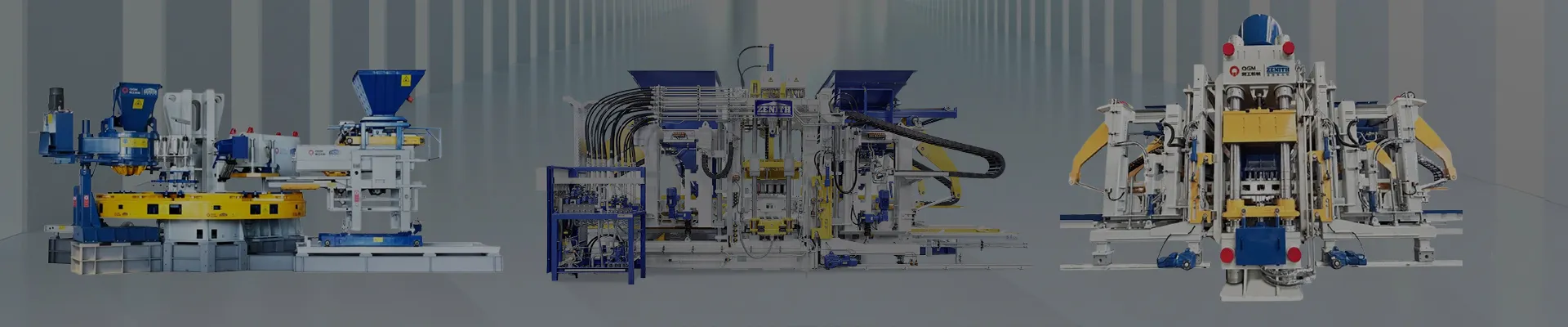
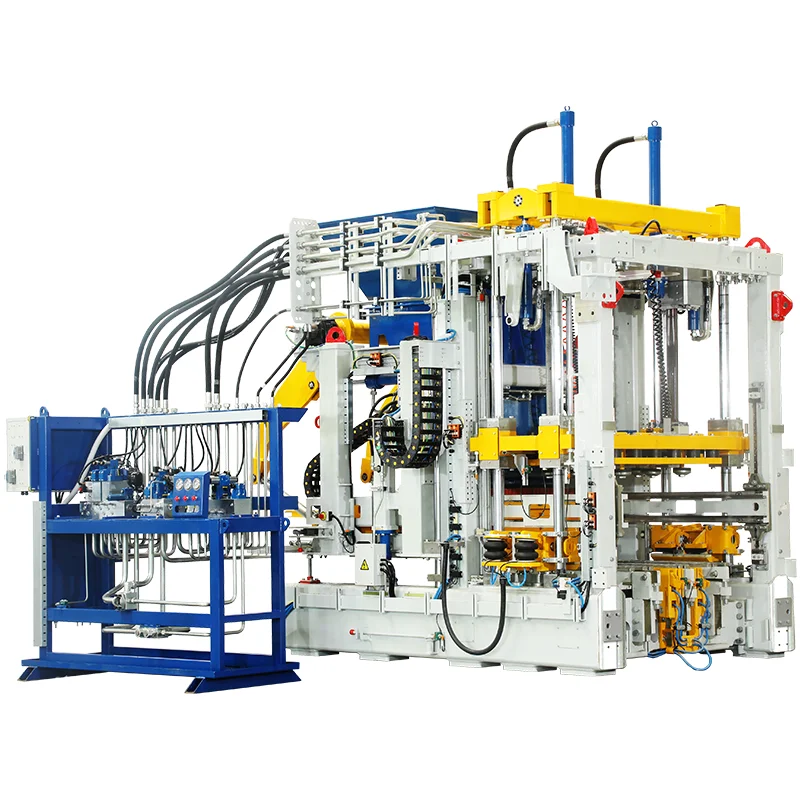
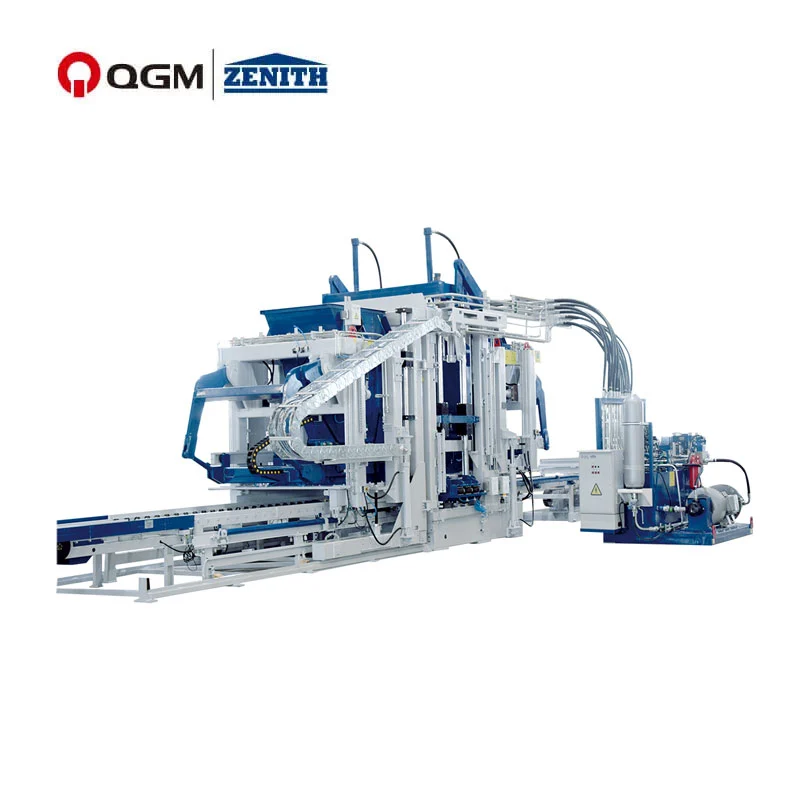
AAC production line
To meet the rising demand for lightweight yet durable building materials, our integrated system focuses on reliability from the very start. The Autoclaved Aerated Concrete machine initiates the process by thoroughly mixing lime, cement, sand, and aluminum powder under controlled conditions. This mix is then poured into molds that feed directly into the AAC block production line, where blocks rise, gain green strength, and are sculpted to exact sizes. The cutting frames operate on a pendulum pattern that minimizes waste, while the vacuum lifting system transfers uncured cakes swiftly. For businesses seeking a full-scope operation, our turnkey AAC plant covers everything from silo management to final packing. The reliability of the AAC block machine guarantees consistent block density and minimal rejects, even during extended run times of up to 16 hours a day.
The design philosophy behind our AAC production line prioritizes longevity and energy efficiency. All mixing vessels are lined with wear-resistant ceramic tiles, while the cutting wires are tensioned automatically to maintain accuracy. Digital load cells monitor live slurry density, feeding data back to the Siemens PLC in real time. This level of control allows the line to produce panels, lintels, and reinforced elements without changing the core setup. Maintenance protocols are simplified by modular subassemblies; a single technician can swap out the entire slurry delivery system in under two hours. The autoclaves are equipped with double safety valves and automatic pressure recording, ensuring compliance with ASME standards. Furthermore, the boiler system is sized to recover waste heat, which reduces fuel consumption per cubic meter by approximately 18%. Every steel component undergoes shot blasting and two-layer epoxy coating before assembly, adding years to the equipment life.
Before selecting a configuration, it helps to examine the key performance indicators that define the production line. The numbers below reflect typical values achieved under standard operating conditions, and can be customized to site-specific requirements.
- Capacity range: 100 m³/day to 1,000 m³/day (equivalent to 30,000–300,000 m³ annual output)
- Block sizes: Standard 600×200×100–300 mm, with custom molds for panels up to 6m length
- Density grades: B03 through B08, corresponding to dry densities of 300 to 800 kg/m³
- Compressive strength: 2.5 MPa (B03) to 7.5 MPa (B08), tested per EN 771-4
- Autoclave working parameters: 1.2–1.5 MPa at 190–200°C, with 8–12 hour cycle
- Installed power: 180–750 kW, depending on line scale
- Control architecture: Siemens S7-1500 PLC with WinCC visualization, supporting remote diagnostics
- Water recycling efficiency: 92–96% through multi-stage filtration
| Model | Daily Output (m³) | Autoclaves (qty) | Main Motor (kW) | Labor (per shift) |
|---|
| ALY-30 | 100 | 2 | 180 | 6-8 |
| ALY-50 | 170 | 3 | 260 | 8-10 |
| ALY-80 | 270 | 5 | 420 | 10-12 |
| ALY-100 | 330+ | 6 | 500 | 12-15 |