The transition toward low-carbon construction is creating new opportunities for concrete product manufacturers. As environmental regulations become more demanding and the construction industry seeks to reduce resource consumption, the reuse of suitable industrial by-products and construction waste is attracting increasing attention.
For manufacturers, however, resource recovery is only part of the equation. The real challenge is converting processed waste materials into marketable concrete products while maintaining consistent quality and reliable production.
This is where concrete block manufacturing equipment plays an important role. A properly configured production process can help manufacturers turn suitable recycled materials into concrete products that meet specific market and construction requirements.
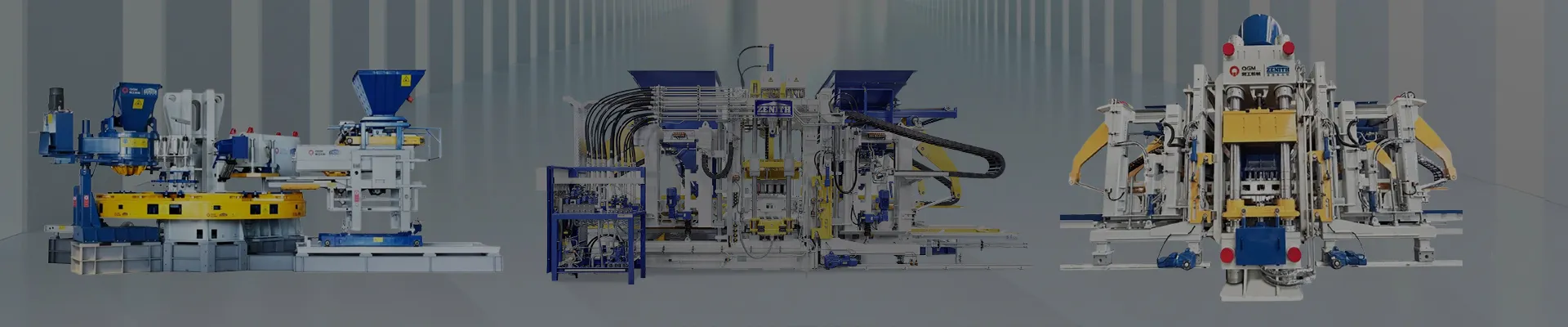
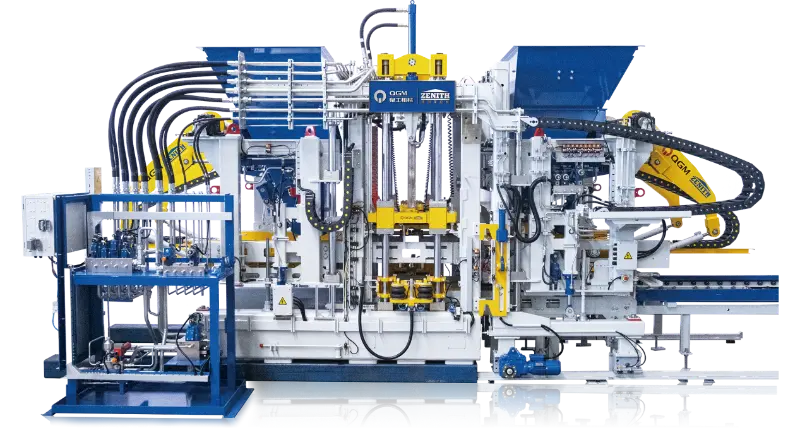
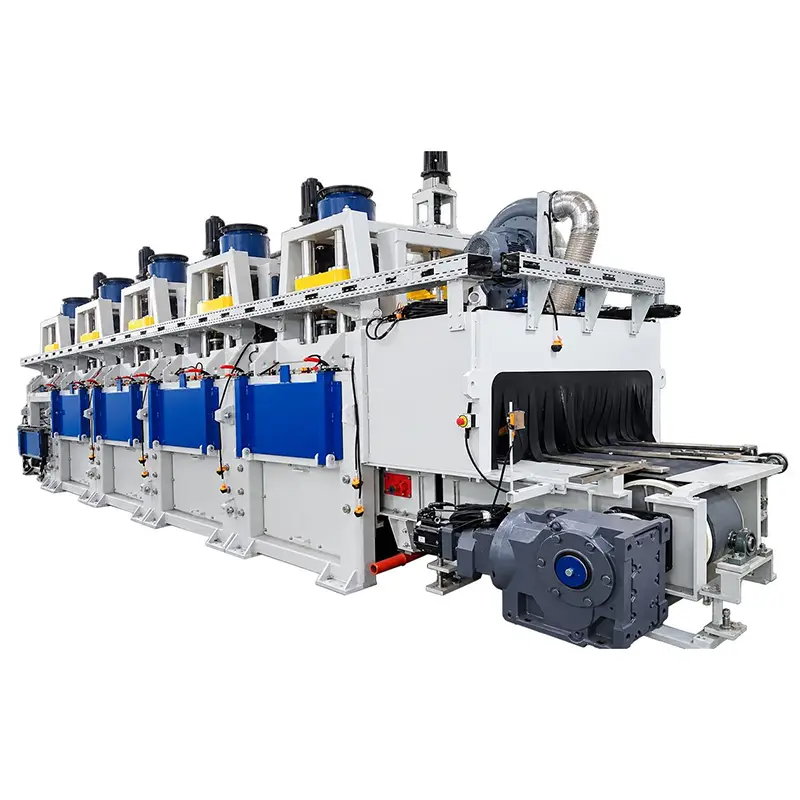
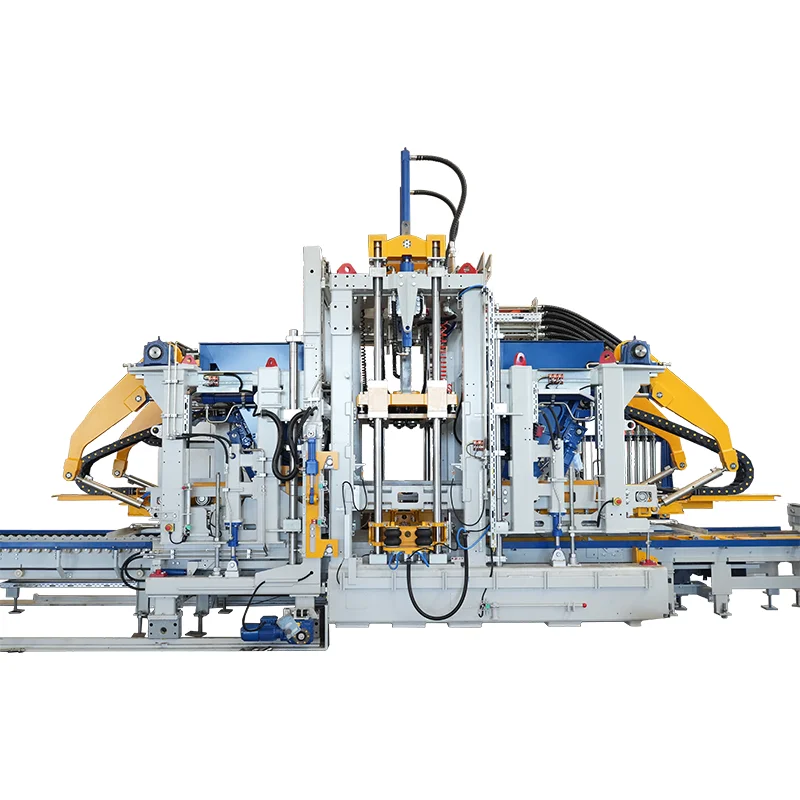
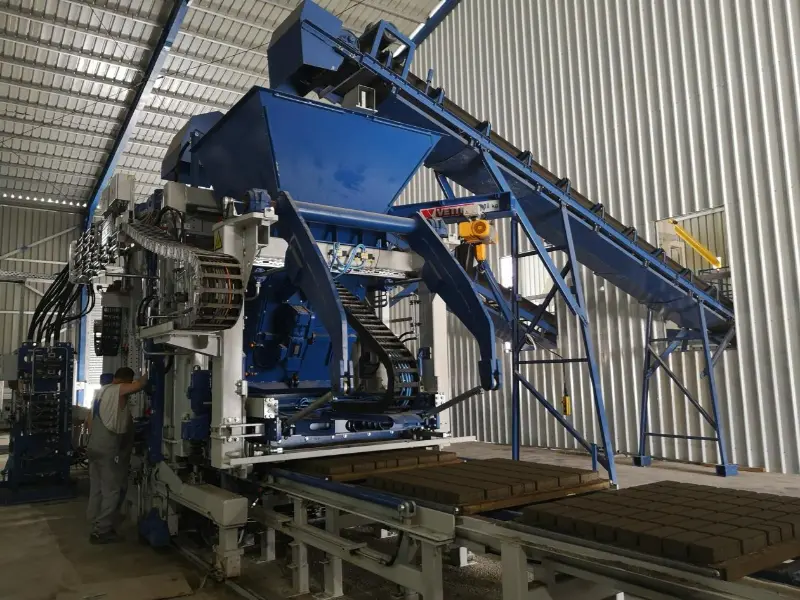
The QGM ZN1500-2 automatic block making machine provides a forming solution for manufacturers exploring the use of suitable recycled materials in concrete block production. By combining intelligent forming technology with a production process configured around the required product specifications, the equipment helps connect solid waste resource utilization with the manufacture of value-added concrete products.
The ZN1500-2 is also part of QGM's broader range of concrete block machinery and production solutions. Across different markets, QGM supports concrete product manufacturers with equipment, production planning, and long-term technical cooperation.
Industrial production and construction activities generate considerable quantities of residual materials. When properly processed and confirmed to be suitable for reuse, some of these materials can serve as alternative raw materials in concrete product manufacturing.
Depending on their physical and chemical properties, potential materials may include industrial residues, mineral by-products, and processed construction waste. Rather than relying entirely on conventional aggregates, manufacturers can evaluate suitable recycled materials for inclusion in their concrete mix designs.
In general, the process of using recycled materials in concrete block manufacturing involves several stages:
It is important to recognize that not every type of solid waste can be used directly in concrete blocks. Material composition, particle size, moisture content, and other relevant properties need to be evaluated before production. The suitability of a recycled material depends on its characteristics and the requirements of the intended concrete product.
For manufacturers considering solid waste recycling for concrete block production, this approach offers an opportunity to connect resource utilization with an established concrete product manufacturing process. The objective is to make effective use of suitable residual materials while maintaining the quality and consistency required by the market.
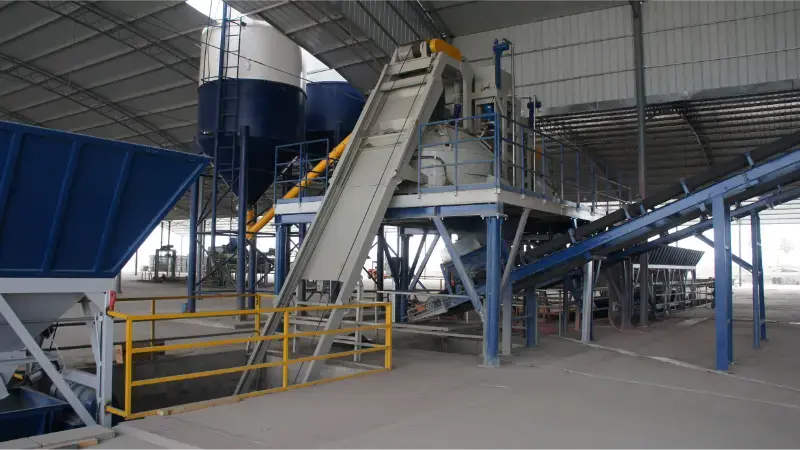
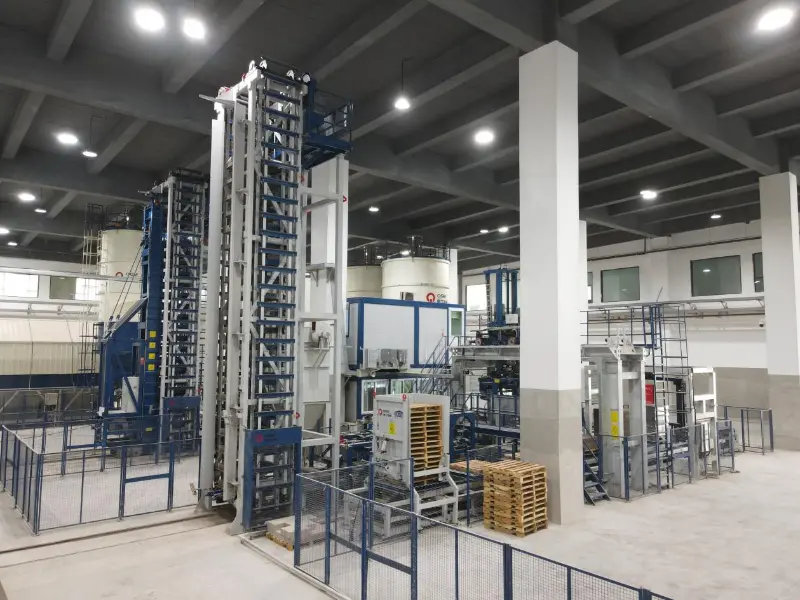
A solid waste resource utilization project involves multiple processes and different types of equipment. Crushing and sorting systems prepare suitable materials, while batching and mixing equipment handles the concrete mixture. The block making machine then performs the forming stage.
The QGM ZN1500-2 is positioned within this production chain as a concrete block forming solution. Its role is to transform a properly prepared concrete mixture into finished block products according to the selected mold and production requirements.
This distinction is important when evaluating equipment for recycled-material block manufacturing. A block making machine performs a specific production function; it should not be regarded as a substitute for the material sorting, pre-treatment, batching, mixing, and curing systems required by the complete process.
When assessing the QGM ZN1500-2 concrete block making machine, buyers should consider how it fits into their overall production setup, including:
These factors help determine whether the selected equipment and supporting systems are appropriate for the planned production requirements. A well-planned configuration provides a more practical route from processed waste materials to finished concrete products.
Manufacturers evaluating different automatic block making machinery options should therefore look beyond the machine itself and assess how the equipment will work within the complete production line.
Using recycled materials in concrete products is not simply a matter of replacing natural aggregates with industrial waste. Different materials behave differently during mixing and forming. Variations in particle size, moisture absorption, density, and chemical composition can influence mixture workability and the performance of finished products.
For this reason, material testing and process control are particularly important when introducing recycled materials into concrete block production.
Before using a new recycled material in regular manufacturing, producers should evaluate the following factors:
Changes in the source or composition of recycled materials may affect the concrete mixture and production conditions. Consistent incoming material quality helps manufacturers establish more predictable mixing and forming conditions.
The proportions of recycled materials, cement, water, and admixtures should be determined according to the characteristics of the materials and the requirements of the intended concrete products. An appropriate mix design is essential for achieving the required production and product performance.
The prepared concrete mixture needs to meet the forming requirements of the selected block making machine and mold configuration. Material characteristics can affect filling, compaction, and the forming process, so compatibility should be evaluated before regular production begins.
Finished concrete products should be tested for relevant properties, including compressive strength, dimensions, water absorption, and other requirements specified by applicable standards. The testing criteria should reflect the intended application and the relevant product specifications.
For buyers exploring a recycled aggregate block making machine or a concrete block production line for industrial waste, these considerations are just as important as the equipment itself.
The objective is not simply to consume more waste material. It is to manufacture concrete products that meet market and construction requirements while making effective use of available resources.
A successful solid waste utilization project depends on the coordination of multiple production stages. A block making machine alone cannot determine whether a recycled material is suitable for a particular application. Material preparation, batching, mixing, forming, and curing all need to be considered as part of the overall production plan.
For this reason, equipment selection should begin with the manufacturer's actual production objectives rather than focusing on an individual machine model alone.
For example, a plant planning to manufacture concrete blocks with processed industrial residues needs to consider several practical questions:
Answering these questions helps define the equipment requirements before investment decisions are made. It also provides a clearer basis for evaluating the relationship between raw material preparation, production capacity, product specifications, and factory conditions.
QGM provides concrete block manufacturing equipment and production solutions that can be discussed according to customer requirements, including product specifications, raw materials, factory conditions, and automation objectives.
For manufacturers developing a solid waste recycling production line, considering the complete process from material preparation to finished products is a more effective approach than selecting equipment in isolation.
QGM has also developed solutions for the utilization of industrial by-products in concrete product manufacturing. One example is its zero-waste concrete block production line, which uses stone powder, a by-product of sand and gravel processing, as a main raw material. This provides a practical example of how suitable residual materials can be incorporated into a concrete product manufacturing process.
The ZN1500-2 is one example of how QGM's concrete block manufacturing equipment can contribute to resource-efficient production.
QGM's broader product portfolio covers different concrete block manufacturing requirements, with equipment and production configurations designed for a range of concrete products and factory applications.
The company's focus extends beyond supplying individual machines. Understanding each customer's raw materials, production objectives, factory conditions, and product requirements is an important part of developing a suitable equipment solution.
For manufacturers working with recycled materials, this means considering not only the forming machine but also how the entire production process can be organized to support consistent manufacturing.
The wider development of green building materials also creates opportunities for manufacturers to explore new product categories and make better use of available resources. Suitable recycled materials may provide additional raw material options when their properties meet the requirements of the intended concrete products.
By connecting suitable recycled materials with reliable concrete product manufacturing processes, manufacturers can explore new approaches to resource utilization while responding to the changing requirements of the construction market.
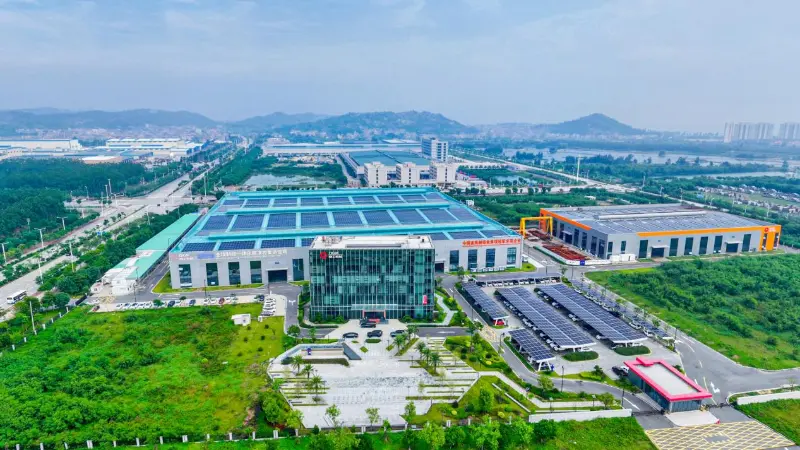
To learn more about QGM's background, manufacturing capabilities, and equipment portfolio, visit the QGM company profile.
A production investment does not end when the equipment arrives at the factory. Installation, commissioning, operator training, maintenance, and technical support all influence how effectively a production line performs over time.
For manufacturers operating in different countries and working with different raw material conditions, access to appropriate technical support is an important consideration when choosing an equipment supplier.
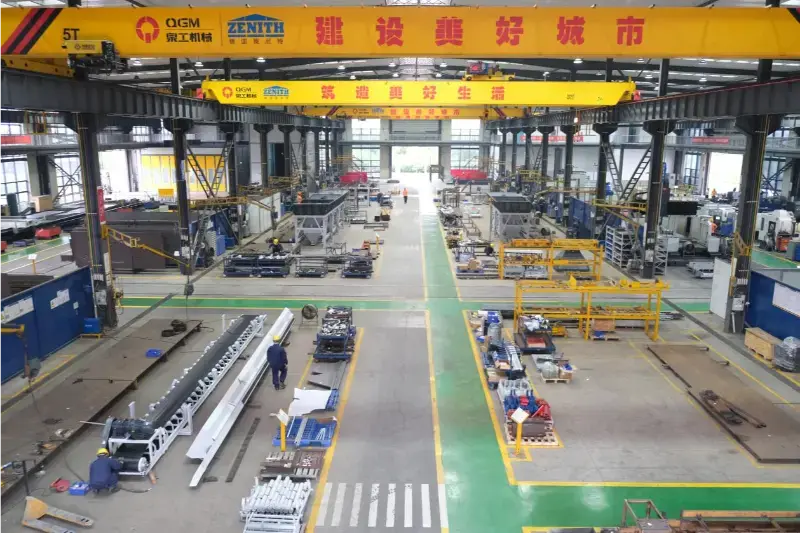
With more than 40 years of experience in concrete block machinery manufacturing, QGM serves customers across international markets with equipment and production solutions for concrete product manufacturing.
QGM's approach is built around more than machine supply. From initial equipment selection and production-line planning to installation, commissioning, operator training, and ongoing technical support, the company aims to support customers throughout their equipment investment and operation.
For customers developing solid waste utilization projects, this long-term cooperation is particularly relevant. Material characteristics and production requirements may require adjustments during the development of a new product or manufacturing process. Having an equipment supplier involved in understanding the production requirements can help customers address practical challenges more effectively.
Reliable equipment creates the foundation. Appropriate technical support helps customers maintain that foundation throughout the production lifecycle.
The value of solid waste recycling lies not only in reducing the amount of material sent for disposal. It also lies in finding practical ways to turn suitable residual materials into products that can serve real construction needs.
The QGM ZN1500-2 offers a concrete block forming solution for manufacturers exploring this direction. As part of a properly configured production process, it helps connect recycled material utilization with the manufacture of concrete products.
At the same time, the ZN1500-2 is only one example of QGM's broader capabilities in concrete block machinery and production solutions.
Whether you are planning a new recycled-material block production project, upgrading an existing factory, or exploring ways to expand your concrete product portfolio, QGM can discuss your requirements and help identify a suitable equipment configuration.
When making an inquiry, it is helpful to provide information about your available raw materials, target products, expected production requirements, and factory conditions. These details give the equipment supplier a clearer understanding of the project and provide a more practical starting point for discussing a suitable solution.
Contact QGM to discuss your raw materials, target products, and production plans. Together, we can explore a practical concrete block manufacturing solution that makes better use of available resources.
The ZN1500-2 can be considered for concrete block production using suitable recycled materials as part of a properly designed production process. Material properties, mix proportions, and finished-product requirements should be evaluated before production. The equipment configuration should also be assessed according to the intended products and production conditions.
Depending on their composition and suitability, potential materials include certain industrial by-products, mineral residues, and processed construction waste. Each material needs to be tested to determine whether it meets the requirements of the intended concrete product. Suitability should not be assumed without evaluating the material characteristics.
Not necessarily. Most solid waste materials require appropriate sorting, crushing, screening, or other pre-treatment before they can be incorporated into a concrete mixture. Material preparation and mix design are essential parts of the process. The prepared mixture must also be suitable for the selected machine and mold configuration.
Manufacturers should evaluate available waste materials, pre-treatment requirements, batching and mixing arrangements, block specifications, forming equipment, curing methods, and finished-product quality standards. The overall configuration should match the actual project requirements, including the available factory space, intended products, and production objectives.
QGM's equipment solutions include support covering equipment selection, production-line planning, installation, commissioning, operator training, and ongoing technical assistance. The specific support arrangements should be confirmed according to the project scope and customer requirements.
-

After-Sales Support

Mr. Zou